



Nigerians Snub NNPCL Petrol Stations as Rivals Slash Prices After Dangote Cut
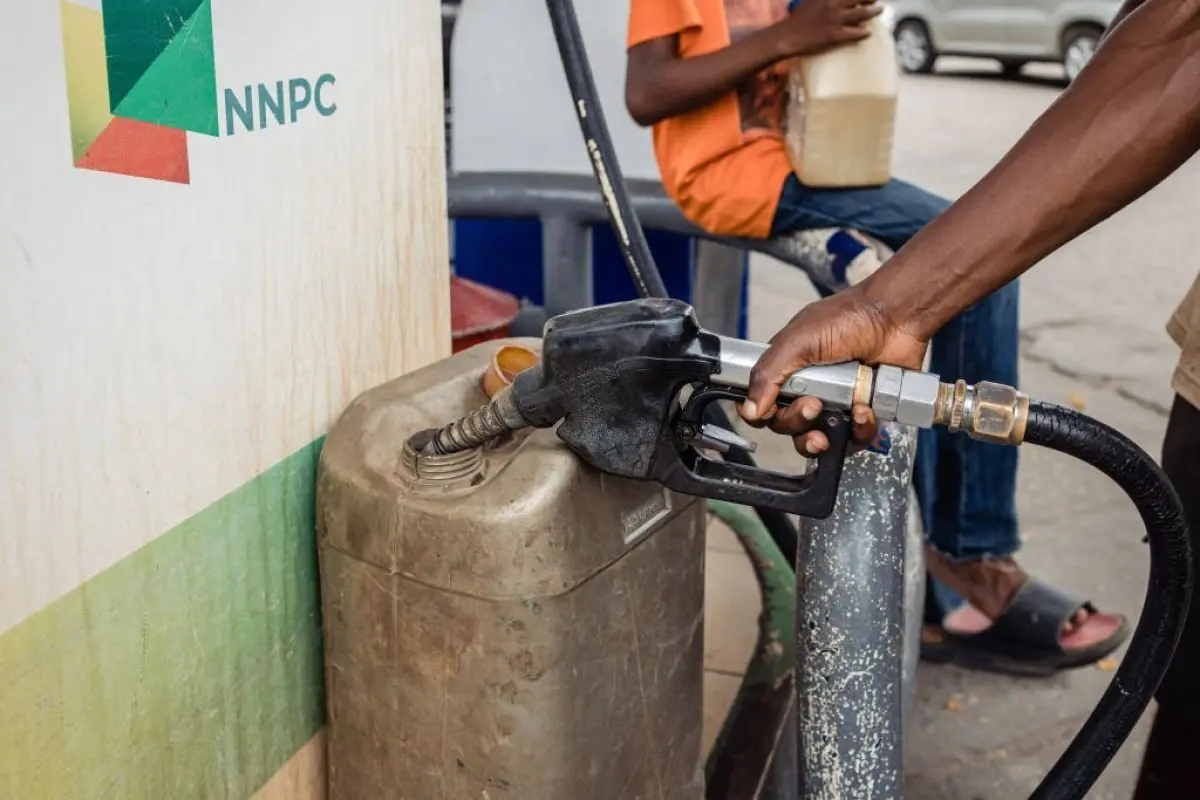
Motorists in Abuja are voting with their fuel tanks. Following Dangote Refinery’s latest petrol price cut, several independent marketers have slashed their pump prices in response yet the Nigerian National Petroleum Company Limited (NNPCL) has been slow to follow, and it’s already costing the state oil firm patronage.
Empty Pumps at NNPCL Stations
Attendants at NNPCL outlets across Abuja say business dropped sharply on Monday as motorists opted for cheaper alternatives nearby. One attendant, who asked not to be named, said sales had all but dried up, adding that only a handful of customers had bought fuel throughout the day. Similar accounts emerged from attendants at other NNPCL-adjacent stations, who described the same pattern of motorists driving past in search of a better deal.
Meanwhile, competitors were busy cutting prices. MRS reduced its petrol price in Abuja and its environs by ₦50, from ₦1,260 to ₦1,210 per litre its second reduction in under two weeks. AA Rano, Sharon, and several other marketers followed suit, trimming an additional ₦25 per litre off their pump prices along the Kubwa Expressway and other parts of the Federal Capital Territory.
Also Read: Dangote Refinery Cuts Petrol Price to ₦1,165/Litre, Diesel to ₦1,570
NNPCL, on the other hand, held firm. Its outlets in Gwarinpa and Wuse Zones 4 and 6 continued to sell petrol at between ₦1,299 and ₦1,310 per litre, leaving a gap of nearly ₦100 per litre between it and the cheapest competing stations.
Why the Gap Exists
The price divergence traces back to Dangote Refinery, which recently cut its ex-depot petrol price to ₦1,165 per litre. Since marketers who buy directly from the refinery pay less upfront, they’ve been able to pass that relief on to consumers almost immediately. NNPCL, however, may not be feeding from the same tap.
According to the Independent Petroleum Marketers Association of Nigeria (IPMAN), NNPCL and some other marketers might not have lifted products from Dangote Refinery at all, which would explain why their pump prices haven’t moved. Notably, Dangote Refinery trucks were spotted making deliveries to several retail outlets in Abuja, further suggesting that access to the cheaper supply not availability may be the real bottleneck. NNPCL’s spokesperson did not respond to requests for comment on the matter.
A Pattern of Volatility
This isn’t an isolated swing. Nigeria’s downstream fuel market has been unusually volatile over the past month, with prices lurching in both directions depending on supply arrangements and global crude movements. Earlier in the cycle, disruptions tied to Dangote Refinery’s brief switch to dollar-denominated sales pushed pump prices as high as ₦1,280 per litre in Abuja, prompting NNPCL and MRS outlets to temporarily shut down entirely due to supply shortages. Since then, prices have swung lower again as naira-denominated supply resumed and marketers raced to undercut one another.
Crude oil prices, meanwhile, have added further pressure on the sector. Brent crude was trading at around $87 per barrel on Monday, while West Texas Intermediate stood at roughly $82 levels that continue to shape how much marketers pay to import or refine products, and in turn, what they charge at the pump.
Regulators Step In
The widening price gap between NNPCL and its rivals has not gone unnoticed by regulators. The Nigerian Midstream and Downstream Petroleum Regulatory Authority (NMDPRA) has reportedly begun consultations with industry stakeholders over concerns about anti-competitive pricing in the sector. Depot owners, for context, had already cut their own prices to as low as ₦1,168 per litre, underscoring just how far behind NNPCL’s retail price has fallen.
What It Means for Motorists
For everyday drivers, the takeaway is simple: shopping around now genuinely pays off. With gaps of ₦50 to ₦100 per litre opening up between NNPCL and marketers like MRS, AA Rano, and Sharon, a quick comparison before fueling up could save motorists a significant amount over a full tank. However, this kind of station-by-station disparity also highlights a deeper issue one where access to cheaper refinery supply, not just pricing strategy, increasingly determines who wins at the pump.
Whether NNPCL moves to close the gap, or whether regulators intervene first, will likely shape how this latest chapter of Nigeria’s fuel price story unfolds in the days ahead.
