



2027: INEC lists security, vote-buying and disinformation as major threats
The Independent National Electoral Commission has identified several challenges that could affect Nigeria’s 2027 general elections.
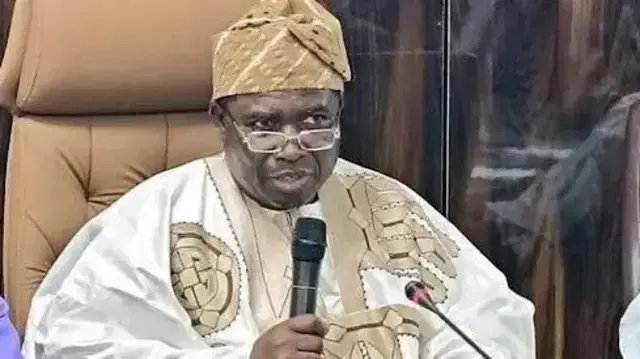
INEC Chairman, Professor Joash Amupitan, listed security risks, electoral violence and vote-buying among the major threats.
He also identified hate speech, disinformation and Foreign Information Manipulation and Interference as growing concerns.
Amupitan spoke on Tuesday in Abuja while receiving a Pre-Election Assessment Mission delegation from the International Republican Institute.
The delegation was led by Jendayi Frazier, former United States Assistant Secretary of State for African Affairs.
According to Amupitan, the identified threats could weaken voter confidence. He said they could also undermine the credibility of the electoral process.
The INEC chairman spoke shortly after the Osun governorship election. The development also came as political parties began campaigns for the 2027 elections.
Amupitan said INEC was already expanding its operational capacity. The commission plans to deploy about 1.4 million ad-hoc personnel.
They will serve across more than 176,000 polling units nationwide. INEC also plans to strengthen its voter registration and verification systems.
The commission is using the Automated Biometric Identification System under the Continuous Voter Registration framework.
Amupitan said the system would help identify duplicate voter records. It will also support efforts to maintain a clean National Register of Voters.
He said recent off-cycle elections had provided useful operational tests. These elections tested INEC’s logistics, technology and security coordination.
According to Amupitan, technology has reduced some weaknesses linked to previous voting processes. He cited the performance of the Bimodal Voter Accreditation System as an example.
He said BVAS supports dual biometric verification. It also works with the INEC Result Viewing portal for public access to polling-unit results.
Amupitan said recent elections recorded result-upload rates above 98 per cent. He described the performance as evidence of improved operational reliability.
INEC also plans to audit the voter register ahead of the 2027 polls. The commission will begin early transport arrangements to improve polling-unit opening times.
The commission also plans to improve voting assistance for vulnerable groups. These include persons with disabilities, pregnant women and elderly voters.
Also Read: Fayose: I faced federal might in 2018, Tinubu acted differently in Osun
On electoral security, INEC said it was working with security agencies. The commission operates with them through the Inter-Agency Consultative Committee on Election Security.
INEC is also working with anti-corruption agencies. These include the Economic and Financial Crimes Commission and the Independent Corrupt Practices and Other Related Offences Commission.
The collaboration will focus on campaign finance monitoring and electoral offences. Authorities will also pursue the prosecution of offenders.
Amupitan said INEC would maintain its neutrality throughout the election process. He assured the international delegation of the commission’s transparency and cooperation.
He said INEC’s goal was to deliver a free, fair and credible election. The commission also wants the 2027 polls to be transparent and inclusive.
The INEC chairman’s warning comes as preparations for the 2027 general elections intensify. Political parties have now entered the campaign period, with security and electoral integrity expected to remain key issues.
