



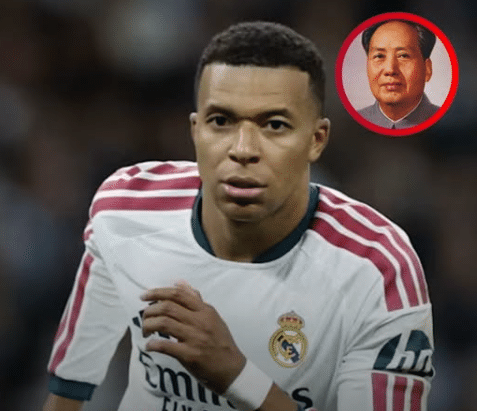
Kylian Mbappe Dropped by Chinese Brands Over Alleged Mao Zedong Joke
French football star Kylian Mbappe has reportedly lost endorsement deals with two major Chinese brands following the circulation of a video in which he appeared to make a joke about former Chinese leader Mao Zedong.
The Real Madrid forward reportedly faced backlash after a clip emerged showing him describing an internet meme featuring his face edited onto that of a man he believed was a Chinese dictator.
The remarks sparked controversy in China, where jokes about Mao Zedong, the founding leader of the People’s Republic of China who died in 1976, can be considered highly sensitive.
Chinese Brands End Partnerships With Mbappe
Two major Chinese companies, drinks manufacturer Dongpeng and dairy giant Mengniu, reportedly announced that they were ending their commercial relationships with the 27-year-old footballer.
Dongpeng said it opposed behaviour that offended national sentiments and confirmed that its cooperation with Mbappe would end immediately.
Also Read: NBA Nigeria Hosts 2026-27 Season Launch Watch Party in Lagos
Mengniu also announced the termination of its partnership, stating that it had zero tolerance for words or actions it believed hurt the feelings of the Chinese people.
The decisions followed the circulation of the video and the reaction it generated online.
Chinese Football Fans React to Mbappe Video
Chinese football outlet Dongqiudi also criticised the reported remarks in a statement issued on Monday evening, describing them as offensive to China and its people.
The outlet said the comments had hurt the feelings of Chinese football fans, adding to the controversy surrounding the footage.
The incident highlights the potential impact of cultural and political sensitivities on international endorsement deals, particularly for global sports stars with commercial partnerships across different markets.
Neither the reported brand decisions nor the online backlash, however, establishes the full context in which Mbappe made the remarks. The original video and the companies’ statements should be reviewed to confirm the details.
