



El Niño: How It Could Affect Nigeria’s Weather, Food Prices and Health
Nigeria could face increased risks from extreme heat, pressure on food supplies and changing rainfall patterns as a strong El Niño develops and continues into early 2027.
A report by the Climate Impact Lab estimates that Nigeria could experience 31,400 additional heat-related deaths between September 2026 and February 2027. This is a model-based projection, not a confirmed death toll or a certainty that these deaths will occur. The researchers estimate that timely measures to protect vulnerable people could reduce the risks.
The US National Oceanic and Atmospheric Administration (NOAA) reported in October that El Niño was strengthening, with strong to very strong conditions likely through January to March 2027. However, its effects will vary across countries and regions. <escape>【turn608711search1】【turn608711search0】</escape>
For Nigerians, the potential consequences include hotter days, longer dry spells in some areas, pressure on farmers and livestock owners, and possible increases in food prices. Heavy rainfall and flooding may also occur, depending on local weather conditions.
Here is what Nigerians need to know about El Niño, its possible effects and how to prepare.
What Is El Niño?
El Niño is a natural climate phenomenon that occurs when surface waters in the central and eastern tropical Pacific Ocean become warmer than usual for an extended period.
Although the Pacific Ocean is far from Nigeria, this warming can change atmospheric circulation and influence temperature and rainfall patterns around the world.
El Niño is one phase of the climate cycle known as the El Niño–Southern Oscillation (ENSO). Its opposite phase, La Niña, involves unusually cool surface waters in the same region. When neither phase is present, conditions are described as ENSO-neutral.
El Niño events generally occur every two to seven years and often last between nine and 12 months, although their duration can vary.
Importantly, El Niño does not automatically mean every country will experience drought or extreme heat. Its effects depend on regional climate conditions, the season and other weather influences.
Six Ways El Niño Could Affect Nigerians
1. Longer Dry Spells and Irregular Rainfall
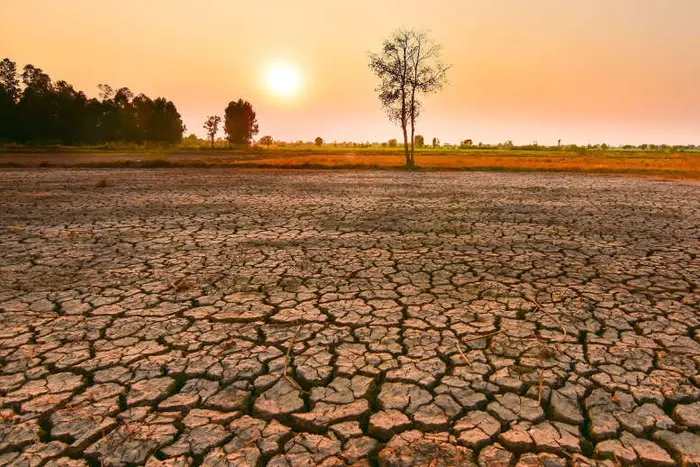
One possible effect of changing climate patterns is an increased risk of dry spells in areas already vulnerable to limited or seasonal rainfall.
Farmers who depend on rain to grow crops may face difficulties if the rains arrive late, pause for extended periods or end earlier than expected. Dry soil can prevent crops from developing properly and reduce the time available for planting and harvesting.
The impact will depend on local rainfall patterns and the forecasts issued for individual states.
2. Lower Crop Yields and Higher Food Prices
Changes in rainfall and extreme temperatures could put additional pressure on Nigeria’s agricultural sector.
If crops receive insufficient water or suffer heat damage, farmers may record lower yields. This could reduce the supply of some food items and contribute to higher market prices.
Farmers in parts of northern Nigeria and the Middle Belt may be particularly concerned about rainfall conditions because many communities depend on agriculture for income and food supplies.
However, food prices are also influenced by transportation costs, insecurity, storage, fuel prices and other economic factors. El Niño would be one possible contributor rather than the sole cause of any increase.
3. More Intense Heat and Heat-Related Illnesses
Extreme heat is a major concern associated with the current El Niño event. Prolonged exposure to high temperatures can increase the risk of dehydration, heat exhaustion and heatstroke.
Outdoor workers, including farmers, construction workers, traders and transport workers, may be especially exposed because they spend long periods in the sun.
High temperatures can also make homes uncomfortable and increase demand for fans and air conditioners, putting additional pressure on electricity supplies and household budgets.
The Climate Impact Lab’s projection of 31,400 additional heat-related deaths in Nigeria highlights the potential seriousness of the risk. However, the estimate should not be interpreted as a prediction that a specific number of people will certainly die. <escape>【turn608711search1】【turn608711search14】</escape>
4. Water Shortages and Pressure on Livestock
Extended periods of insufficient rainfall can reduce the replenishment of rivers, reservoirs and other water sources.
When water becomes scarce, households may struggle to meet their daily needs. Farmers and livestock owners may also face difficulties securing enough water for their animals.
Dry conditions can reduce the growth of grass and other vegetation used as animal feed. Poor pasture conditions may affect livestock health and productivity, placing additional pressure on the livelihoods of pastoralists and the supply of animal products.
The severity of these effects will depend on how long dry conditions persist and the availability of alternative water supplies and grazing areas.
5. Heavy Rainfall and Flooding Remain Possible
Although El Niño can contribute to dry conditions in some parts of the world, it does not rule out heavy rainfall or flooding.
Other weather systems can still produce intense rain, even after a prolonged dry spell. Where drainage systems are inadequate, heavy rainfall can cause flash floods, damage property, destroy crops and displace residents.
Communities near rivers and in flood-prone areas should therefore continue to follow local weather warnings and take precautions against flooding.
Nigerians should avoid assuming that a hot or dry period means the risk of flooding has disappeared.
6. Changes in Disease Risks
Extreme heat and changing rainfall patterns can affect public health in different ways.
Flooding can contaminate drinking water with sewage and waste, increasing the risk of waterborne diseases such as cholera and diarrhoeal illnesses.
Changes in rainfall and temperature may also influence mosquito breeding and malaria transmission in some locations. Other climate-related health risks may vary by region and season.
Also Read: Identical Twins Marry in Double Wedding in Akwa Ibom
Residents should use safe drinking water, maintain good hygiene and seek medical attention when they develop concerning symptoms rather than relying on unverified home remedies.
How Nigerians Can Prepare for El Niño
Although individuals cannot control El Niño, practical steps can help households and communities reduce their exposure to extreme weather.
Stay Hydrated and Protect Yourself From Heat
- Drink clean water regularly throughout the day.
- Wear lightweight, loose-fitting clothing.
- Reduce strenuous outdoor activities during the hottest hours where possible.
- Rest in shaded or cooler places when temperatures become uncomfortable.
- Never leave children or vulnerable people in parked vehicles.
- Seek urgent medical assistance if someone shows signs of heatstroke, such as confusion, collapse or very high body temperature.
Pay Attention to Vulnerable People
Check regularly on young children, older adults, pregnant women and people with health conditions who may be more vulnerable to heat-related illness.
Where possible, help people who have limited access to drinking water, electricity or cooler indoor spaces.
Prepare for Heavy Rain and Flooding
Clear gutters and drainage channels around your home to help water flow freely. Keep important documents, medicines and electrical equipment in safe places above possible floodwater levels.
If local authorities issue a flood warning, follow their instructions and avoid walking or driving through floodwater.
Store Water Safely
Where possible, keep a reasonable supply of clean drinking water in covered containers. Avoid wasting water if shortages affect your community.
Use safe water for drinking and food preparation, particularly after flooding or damage to local water supplies.
Plan Food Purchases Within Your Budget
Households can prepare for possible price changes by planning meals, buying essential non-perishable foods within their budgets and using existing supplies before purchasing more.
Avoid panic-buying, which can place unnecessary pressure on household finances and local supplies.
Farmers should also monitor agricultural and weather advisories to guide planting decisions and other farm activities.
Follow Official Weather Updates
El Niño does not mean every part of Nigeria will experience the same conditions. Residents should follow updates from the Nigerian Meteorological Agency (NiMet), local emergency management authorities and other credible sources.
Farmers, livestock owners and households should respond to forecasts for their particular locations rather than relying on rumours or generalised predictions.
What Nigerians Should Know Going Forward
The strengthening El Niño event could increase the risk of extreme heat and affect rainfall patterns into early 2027. Its possible effects on health, farming, water supplies and food prices make early preparation important.
However, the scale of the impact will depend on local weather conditions, the level of preparedness and the measures taken to protect vulnerable communities.
By staying informed, protecting themselves from extreme heat, conserving water and preparing for possible flooding, Nigerians can take practical steps to reduce weather-related risks in the months ahead.
