


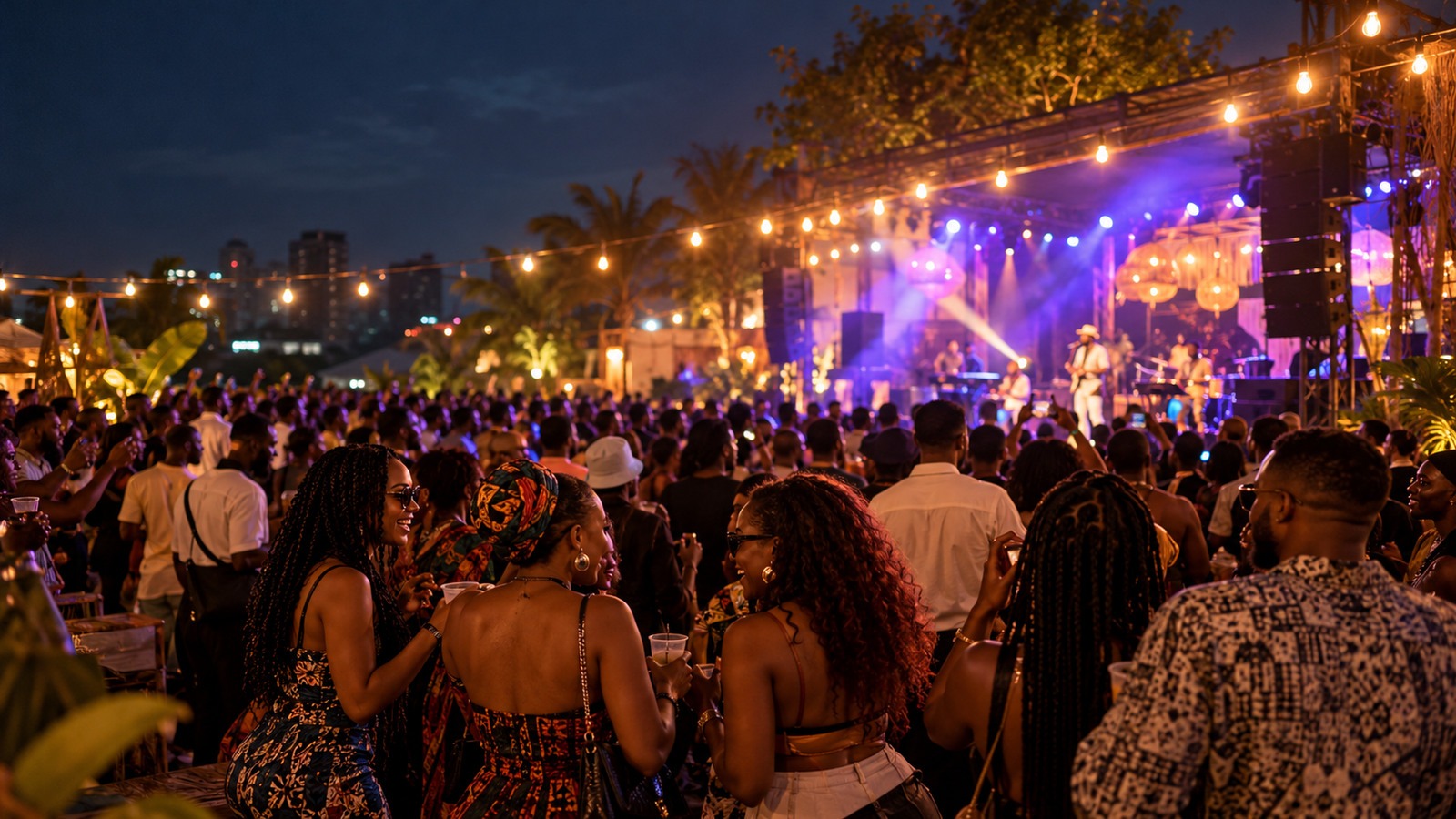
A crowd can make a night feel successful. Building an experience people want to return to takes a different kind of work.
By Greatdorlin Wisdom
The lights come on, the final song ends and everyone starts finding their way out. Outside, there are videos to post, friends to locate and probably a conversation about where to go next. By morning, the pictures are everywhere. The venue was full. The event trended in its own corner of the internet. It must have been a success, right?
Maybe. But there is a harder question that tends to get lost in the excitement: when the next edition comes around, will those same people want to be there again?
Nigeria has no shortage of reasons to gather. From Lagos nightlife and live music to Abuja creative meet-ups, fashion showcases, food festivals and December homecomings, there is plenty competing for a place on the calendar. A big turnout can mean you won attention for a night. It does not automatically mean you earned a place in somebody’s life.
A full room is not the same as a loyal audience
People buy tickets for different reasons. Perhaps a popular artist is performing, a friend is hosting, or the event is the one everybody seems to be talking about. None of those reasons is a bad thing. But if the attraction disappears, what remains?
That is the distinction between an event people attend and an experience they begin to identify with. The second has a point of view. Guests know what they are walking into, who it is for and why it feels different from every other flyer on their feed. A music night built around discovering emerging talent, for example, should make that discovery feel real, not simply borrow the language for promotion.
Before choosing the next headline act or booking a bigger venue, organisers should be able to finish one sentence: ‘People come to us because …’ If the answer is only ‘we throw a great party’, there is probably more work to do.
The relationship should begin before the doors open
Too often, the audience is treated like a ticket number until event day. The communication is almost entirely transactional: buy now, prices go up soon, see you Saturday. Then the organiser wonders why interest drops off once the posters stop.
A stronger approach gives people a reason to care before they arrive. Introduce the creatives behind the experience. Let the community have a say in a small but genuine decision, whether that is a food vendor, a discussion topic or the next local act to spotlight. Tell the story of the neighbourhood, sound or scene the event exists to celebrate.
That might happen through Instagram, an opt-in WhatsApp community or a collaboration with people already trusted in that scene. The platform matters less than the feeling: guests should arrive as participants in something, not strangers who have simply paid to enter.
What guests remember is often the part nobody posted
Of course the stage, outfits and camera moments matter. But ask somebody how a night really went and you may hear about the queue, the confusing entrance, the start time that kept moving or the difficulty getting home.
These details are not separate from the cultural experience; they are part of it. A beautiful event with poor communication can leave guests feeling taken for granted. A smaller event that starts when it says it will, welcomes people properly and makes its programme easy to follow can build far more trust.
Think about the complete guest journey: finding accurate information, buying a ticket, arriving, moving through the venue, feeling safe, enjoying the programme and leaving. Clear directions, considerate staff, transparent ticket terms, accessible facilities and a sensible plan for queues may not make the highlight reel, but they help determine whether somebody recommends the next edition to a friend.
The best brand partnership adds to the night
Sponsors can help make ambitious ideas possible, but a logo everywhere is not the same thing as a meaningful partnership. The audience notices when a collaboration fits the occasion, and when it feels like an interruption.
Imagine a fashion-and-music gathering where a partner supports an emerging designer showcase, or a food-focused event where a brand helps create a comfortable space to sit, connect and discover local vendors. The sponsor gets a credible role in the story. The guest gets something useful or enjoyable. The organiser gains support without losing the character of the event.
The right question is not just ‘Who can pay for this?’ It is ‘Who belongs in this experience, and what could they help us make better?’ That conversation is more interesting for everyone involved.
The morning after is part of the event
Here is where many promising experiences lose momentum. The last guest leaves, the team gets some sleep, photos trickle onto social media and everyone moves straight to planning the next edition. Meanwhile, the people who came are left to piece together their own memories.
A thoughtful follow-up does not have to be elaborate. Thank attendees and collaborators while the experience is still fresh. Share a good set of photographs, with appropriate permission. Give people an easy way to say what they loved and what fell short. If there is another gathering ahead, let them hear about it before the rest of the internet does.
Also Read: How Young Nigerians Turn Digital Skills Into Income
Most importantly, listen. The point of asking for feedback is not to collect compliments. If guests say entry was chaotic or the programme ran too late, acknowledge it and use that insight to change the next edition. People are more willing to return when they can see that their experience mattered.
Build for the second invitation
When the night is over, the question should not end at ‘How many people came?’ It should also include: Who wants to come back? Who brought someone new? Which part did guests talk about without being prompted? What would they miss if this event stopped happening?
Those answers are not always as easy to display as a sold-out graphic, but they reveal whether the experience is becoming a community or simply another date on the social calendar. They also help organisers make better decisions about programming, partners and the promises they make next time.
There is nothing wrong with wanting a packed venue. A room full of people can be exciting, validating and financially important. But the real opportunity is bigger than one crowded Saturday. It is to create something people remember for the right reasons, tell their friends about and choose again when they have dozens of other options.
A packed event earns applause for a night. An event people return to earns trust.
About the author
Greatdorlin Wisdom is an event professional and co-author, with Crystal Nyarko, of Your Next Great Event. Through Create Great Events Ltd, his work centres on event planning, audience experience and the relationships behind impactful live gatherings. He is interested in how organisers can create experiences that people remember and want to attend again. Learn more at creategreatevents.com.
