



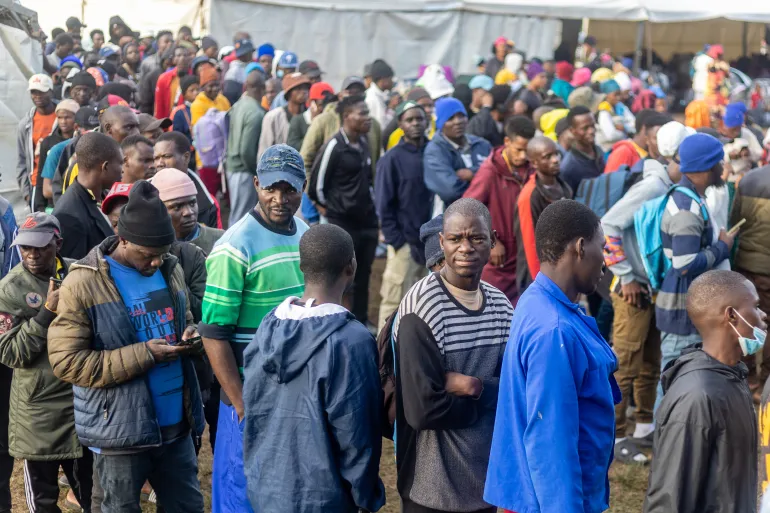
Nigeria, Ghana, and Malawi have begun emergency evacuation efforts as fears intensify over a planned June 30 xenophobic protest in South Africa, which has sparked anxiety among foreign nationals and triggered coordinated repatriation measures across several African countries.
The evacuations come amid rising anti-immigrant sentiment in parts of South Africa, where groups have reportedly called for undocumented migrants to leave the country.
These developments have heightened security concerns and led to fears of renewed attacks on foreign communities.
Nigeria confirmed that its first evacuation batch of about 260 citizens has already arrived in Lagos. Officials say additional Nigerians have registered for voluntary return as the situation continues to unfold.
The government emphasized that the operation is aimed at safeguarding lives and ensuring the dignity of its citizens abroad.
Authorities in Ghana have also begun similar arrangements, responding to increasing reports of harassment and insecurity affecting its nationals living in South Africa. Ghanaian officials stated that the decision followed urgent assessments of risks facing citizens.
Malawi is likewise carrying out repatriation efforts, with reports indicating that about 1,200 citizens have expressed interest in returning home. Many of them are said to have moved to temporary shelters while awaiting evacuation logistics.
The growing unease is tied to the planned June 30 xenophobic protest, which has fueled widespread fear among migrant communities.
Several foreign nationals have reportedly abandoned homes, businesses, and jobs due to intimidation and threats linked to the buildup of tensions.
South African authorities have condemned any form of violence against migrants. President Cyril Ramaphosa has previously warned against vigilantism, stressing that immigration-related issues must be handled through lawful and constitutional processes rather than street violence.
In Nigeria, lawmakers have reacted strongly to the situation, with discussions reportedly ongoing in the Senate over possible diplomatic or retaliatory measures aimed at ensuring the protection of Nigerian citizens abroad.
Also Read: Ogun government bans graduation ceremonies and end-of-session parties across schools
South Africa has a long and troubled history of xenophobic violence, often fueled by claims that migrants are competing for jobs and economic opportunities.
However, analysts argue that deeper structural issues such as unemployment and inequality remain the root causes of recurring tensions.
As the June 30 xenophobic protest date approaches, African governments continue to monitor developments closely while expanding evacuation support for citizens who choose to return home voluntarily.
