



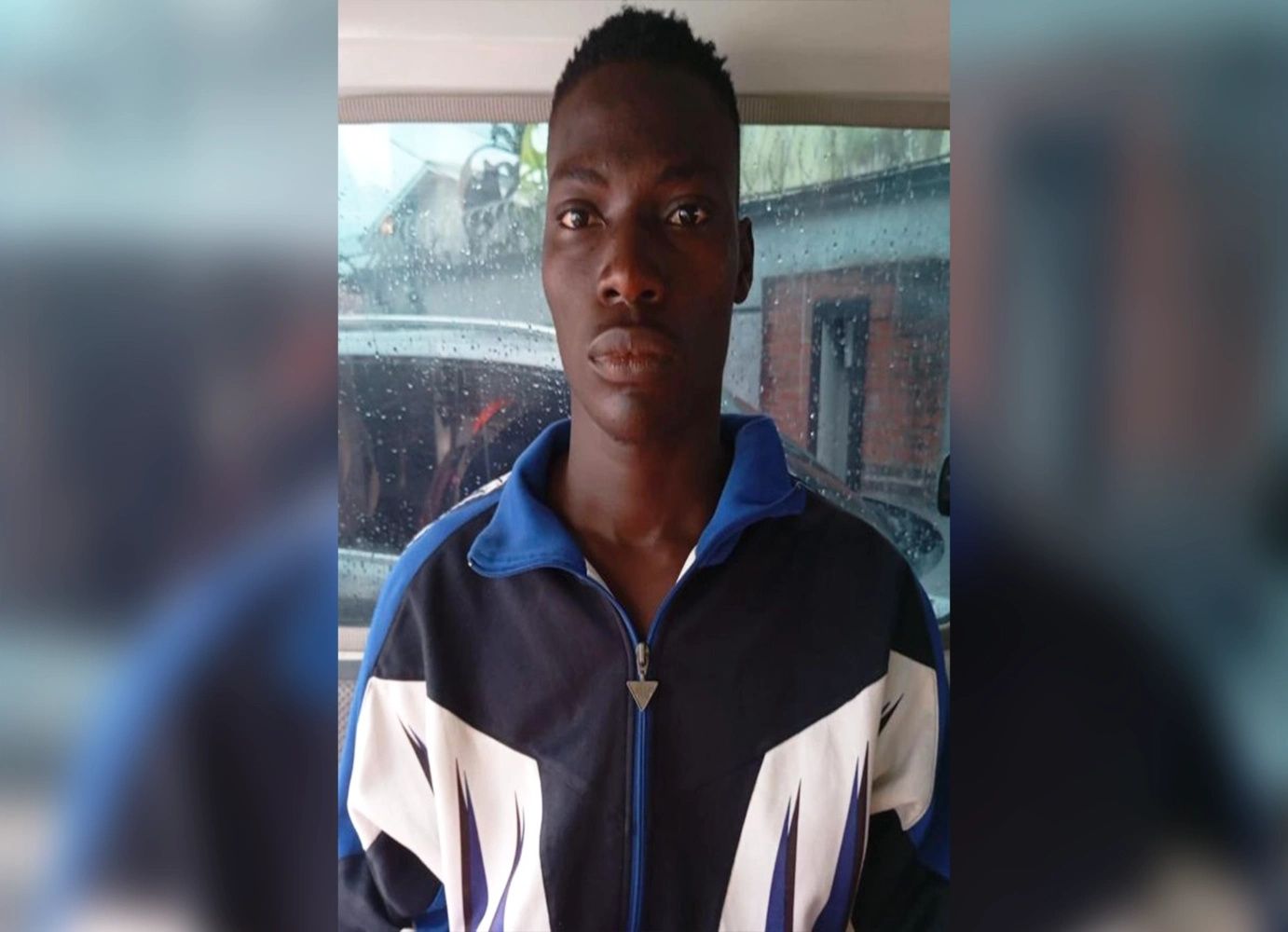
The arrest of a man accused of creating and circulating an AI-generated Tinubu voice note has triggered widespread reactions across Nigeria, with many citizens questioning the speed at which security agencies tracked down the suspect compared to the country’s ongoing battle against kidnapping, banditry, and terrorism.
-
Police arrested Ifechukwu Dennis for allegedly creating and spreading an AI-generated voice note falsely attributed to President Bola Tinubu.
-
Nigerians have praised the arrest but questioned why similar efficiency is often not seen in efforts to tackle kidnappers, bandits, and other violent criminals.
The Nigerian Police Force recently arrested Ifechukwu Dennis, who authorities identified as the individual behind a manipulated audio recording designed to mimic the voice of President Bola Tinubu.
The development was announced by the President’s Special Adviser on Information and Strategy, Bayo Onanuga, through a post shared on X.
“The IGP crack team has arrested Ifechukwu Dennis who originated the fake voice that he passed on to his gullible targets as President Tinubu’s voice,” Onanuga stated.
The controversial AI-generated Tinubu voice note gained attention after it was attached to a video featuring social media activist Martins Vincent Otse, popularly known as VeryDarkMan (VDM).

The manipulated audio contained remarks allegedly made by President Tinubu regarding insecurity in the South-East, the 2023 presidential election, and the economic difficulties facing Nigerians.
However, investigations conducted by media organisations and independent fact-checkers later revealed that VeryDarkMan was not responsible for the altered content.
Findings indicated that footage from one of his original Instagram videos had been extracted and combined with the AI-generated audio before being redistributed online.
The revelation came after calls were initially made for the activist to face prosecution over the circulation of the false recording.
As news of the arrest spread, social media platforms were flooded with reactions from Nigerians who questioned the government’s security priorities.
Many users argued that the same technological capabilities and investigative resources used to identify the creator of the fake audio should be deployed more aggressively against criminal groups responsible for violent attacks across the country.
One social media user wrote, “We should clap for them for tracking him down. Children are still in the bush … failed Govt.”
Another commenter expressed frustration, saying, “But they lack the equipment to catch the kidnappers and terrorists and reprimand them. What a Nation.”
A third user suggested that the swift arrest could fuel public scepticism about the country’s security challenges.
Also Read: Owo Church Massacre: Court Sentences Four Men to Death by Hanging Over 2022 Attack
“These are the things that make people believe insecurity in this country is fabricated. If you can swiftly fish out a faceless voice cloner, why not bandits flaunting payouts on social media or even them releasing live videos of victims?” the user stated.
The incident has reignited public debate about the growing influence of artificial intelligence and its potential misuse.
Experts have repeatedly warned that AI-powered tools can be used to impersonate public figures, spread misinformation, and manipulate public opinion through highly convincing fake audio and video content.
As AI technology becomes increasingly sophisticated, distinguishing authentic recordings from fabricated ones is becoming more difficult, creating new challenges for governments, media organisations, and the public.
While the arrest of the suspect behind the AI-generated Tinubu voice note may be viewed as a significant step in combating digital misinformation, many Nigerians believe it has also exposed deeper concerns about law enforcement priorities and the country’s broader security situation.
For now, authorities have yet to publicly disclose the specific charges that will be filed against the suspect as investigations continue.
