



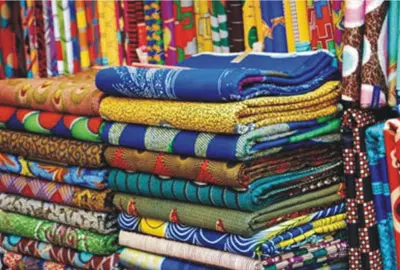
Nigeria’s Textile Imports Hit N1.08trn as Manufacturers Seek Stronger Protection
Nigeria’s textile imports surged to N1.08 trillion in 2025. This shows rising dependence on foreign fabrics. It also reflects the struggle of local manufacturers.
Data from the National Bureau of Statistics, NBS, showed a sharp rise. Imports increased by 181 per cent in two years. They moved from N377.47 billion in 2023 to N1.08 trillion in 2025.
The increase has renewed concerns about the future of Nigeria’s textile industry. It has also intensified debate on government protection measures.
The Manufacturers Association of Nigeria, MAN, has cautioned against a blanket import ban. The Nigeria Textile Manufacturers Association, NTMA, is calling for stronger protection. The Centre for the Promotion of Private Enterprise, CPPE, warns that a total ban could hurt businesses that rely on imported fabrics.
Textile imports rise sharply
NBS data showed a steady upward trend. Imports rose by 92.4 per cent in 2024. They moved from N377.47 billion in 2023 to N726.18 billion in 2024. They then climbed another 46 per cent in 2025 to N1.08 trillion.
The growth has continued into 2026. Imports reached N267.7 billion in the first quarter. This is a 153.2 per cent increase from N70.48 billion in the same period of 2025.
Quarter-on-quarter figures also show growth. Imports rose from N178.45 billion in Q1 2024 to N228.83 billion in Q1 2025. The latest data suggests annual imports could reach about N1.4 trillion in 2026.
Nigeria’s textile exports continue to weaken
Exports are moving in the opposite direction. They fell to N16.55 billion in 2025. This is down from N18.76 billion in 2023. It also dropped sharply from N36.98 billion in 2024.
The gap between imports and exports keeps widening. This reflects deep challenges in the local industry. Manufacturers face high production costs. They also struggle with poor electricity supply and foreign exchange pressure.
Senate pushes textile import ban
The Senate moved in June 2026 to strengthen protection for the sector. It adopted a resolution calling for a total import ban. Lawmakers said the goal is to revive textile manufacturing.
They focused on the Kaduna-Kano industrial corridor. They also said imported textiles make up about 99 per cent of the market. The Senate called for stronger cotton farming support. It also urged more funding through the Bank of Industry, BoI. It recommended revival of distressed factories and tighter anti-smuggling measures.
MAN cautions against blanket import ban
MAN warned that a full import ban could create new problems. Director-General Segun Ajayi-Kadir said Nigeria can produce more locally. However, he said legislation alone will not revive the sector.
He stressed government support for local procurement. He also called for stronger enforcement of existing policies. These include Executive Order 003 and the Nigeria First policy.
Ajayi-Kadir urged public institutions to prioritise local textiles. These include the Presidency, National Assembly, military and schools. He said competitiveness must improve before strict import limits.
Textile manufacturers demand stronger protection
NTMA supports stronger protection for local producers. Director-General Dr Hamma Ali Kwajaffa said imports and smuggling have damaged the industry. He said the sector needs stronger trade action, not small tariff changes.
He linked the decline to factory closures and job losses. However, he admitted that import restrictions alone are not enough. Manufacturers still face raw material shortages. They also face high costs, poor infrastructure and limited financing.
Cotton shortage threatens textile production
Kwajaffa said cotton production has collapsed. He called for stronger support for farmers. He also urged better extension services and investment in the cotton value chain.
He noted other challenges. These include high energy costs and insecurity in farming areas. He also mentioned weak agricultural support and raw material shortages.
CPPE rejects blanket textile import ban
CPPE disagrees with a total ban. CEO Dr Muda Yusuf warned it could disrupt many businesses. He said many firms depend on imported fabrics.
Also Read: Premier League More Competitive as Gap Between Clubs Shrinks
He noted that Nigeria’s garment and fashion industry is worth about N10 trillion. He also mentioned the N7 trillion furniture sector. He warned that nearly 10 million jobs could be affected.
Many MSMEs rely on imported fabrics. This is due to gaps in local supply, quality and variety.
Import ban could increase costs, CPPE warns
Yusuf said a ban could raise costs across industries. He warned of higher inflation and reduced consumer choice. He also said businesses would face more pressure.
He said Nigeria’s main issue is competitiveness. He pointed to high energy costs and weak infrastructure. He also mentioned expensive credit and outdated technology.
He warned that a ban could increase smuggling. It could also reduce customs revenue. Downstream industries like fashion and furniture would be affected.
CPPE calls for structural reforms
CPPE recommended long-term reforms instead of a ban. It called for investment in cotton production. It also urged better access to finance and stable electricity.
The group called for stronger border control. It also urged action against smuggling. It suggested government procurement to support local textiles.
Yusuf said lower production costs are key. He said this would improve competitiveness.
Nigeria faces difficult textile policy choice
The debate shows a policy dilemma. Manufacturers want stronger protection. Other industries depend on imported fabrics.
A blanket ban could help local producers. But it could also hurt downstream sectors. Continued imports may slow local recovery.
Local production remains key to textile revival
Imports keep rising while exports remain weak. This has increased pressure for reform. Stakeholders disagree on the approach.
MAN supports reforms with protection. NTMA wants stronger trade measures. CPPE prefers competitiveness reforms first.
All sides agree on one point. Nigeria needs a stronger textile industry. This requires better cotton production, power supply and financing. It also needs improved security and consistent demand for local products.
