



Florida Files Lawsuit Against OpenAI and Sam Altman Over Alleged ChatGPT Safety Risks
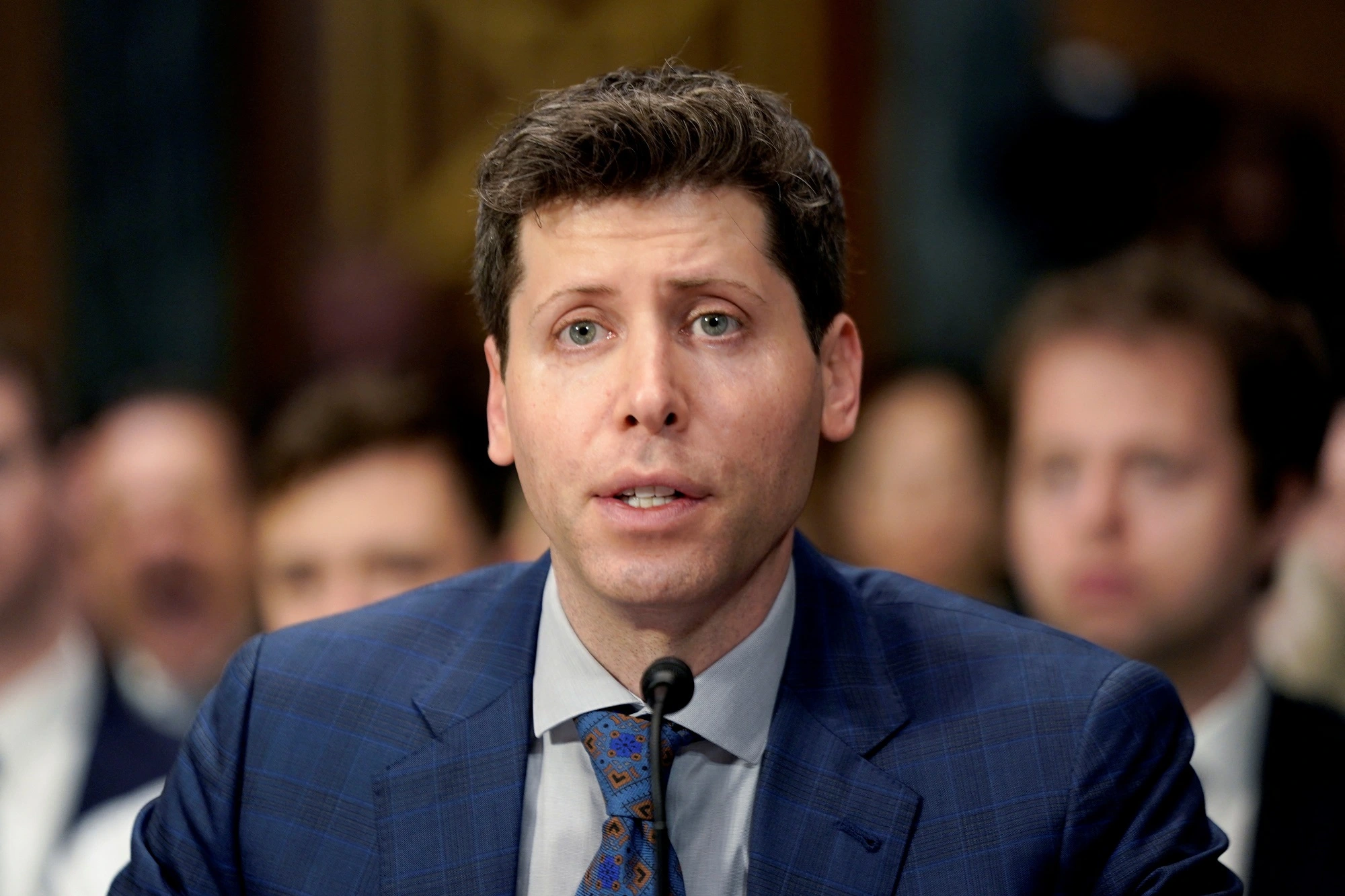
Florida has officially filed a high-profile lawsuit against artificial intelligence company OpenAI and its CEO Sam Altman, alleging that the company prioritized rapid commercial expansion over user safety, particularly when deploying ChatGPT to the public.
According to state officials, the lawsuit argues that OpenAI released its chatbot while allegedly being aware of serious safety concerns. In addition, Florida claims the company failed to adequately disclose these risks to users, especially vulnerable groups such as minors.
Allegations of Safety Failures and Misrepresentation
Furthermore, the lawsuit asserts that OpenAI:
- Did not sufficiently protect children and at-risk users
- Allowed ChatGPT to generate harmful or inappropriate responses in sensitive situations
- Collected and processed data from minors without strong parental safeguards
- Ignored internal safety warnings in pursuit of faster product rollout
- Potentially contributed to harmful outcomes through unsafe AI-generated responses
In particular, Florida Attorney General James Uthmeier emphasized that the company allegedly misled the public about the safety level of its AI systems while continuing widespread deployment.
Concerns Over Minors and Mental Health Interactions
Moreover, a significant portion of the lawsuit focuses on the potential impact of AI chatbots on children and teenagers. The state claims that ChatGPT, in some cases, may have responded inappropriately to users expressing emotional distress or suicidal thoughts.
As a result, Florida argues that such interactions highlight a broader concern: AI systems that mimic human conversation may unintentionally deepen emotional vulnerability, especially among adolescents.
Additionally, the lawsuit references expert opinions suggesting that emotionally responsive AI tools may create a sense of attachment, which could blur the line between human support and machine-generated responses.
Alleged Links to Criminal Cases
Meanwhile, the complaint also references cases in which individuals involved in violent incidents reportedly interacted with ChatGPT while planning their actions. Although OpenAI disputes these interpretations, the state uses these examples to support its argument that stronger safeguards are necessary.
OpenAI’s Response to the Allegations
In response, OpenAI strongly rejects the claims, stating that ChatGPT is a general-purpose AI tool used daily by hundreds of millions of users for legitimate purposes such as learning, writing, and productivity.
In addition, the company explains that it has implemented several safety measures, including:
- Enhanced content moderation systems
- Special protective modes for minors
- Age prediction and restriction features
- Parental supervision tools
- Continuous model safety improvements
Furthermore, OpenAI maintains that it actively cooperates with law enforcement agencies and continues to strengthen safeguards to reduce harmful outputs.
Broader Implications for AI Regulation
Consequently, this lawsuit adds to the growing wave of legal and regulatory scrutiny facing artificial intelligence companies in the United States. It raises critical questions about accountability, safety responsibility, and the ethical limits of deploying conversational AI at scale.
Ultimately, the outcome of this case could influence not only U.S. AI policy but also global discussions around how emerging technologies should be regulated to balance innovation and public safety.
