



MKO, a documentary examining the life and political legacy of Moshood Kashimawo Olawale Abiola, has opened in Nigerian cinemas following a national premiere in Lagos.
The documentary premiered on October 1, 2026, at Lagos’s Wole Soyinka cultural centre before beginning its nationwide cinema run on October 2.
What the MKO documentary covers
Directed by Nigerian-American filmmaker Ose Oyamendan, MKO traces Abiola’s public life, the June 12, 1993 presidential election, its annulment and the pro-democracy struggle that followed.
According to Voice of Nigeria’s account of the premiere, the production combines archival material with first-hand testimony from people connected to the period. The film previously had an international premiere at Sheffield DocFest in the United Kingdom in June 2026.
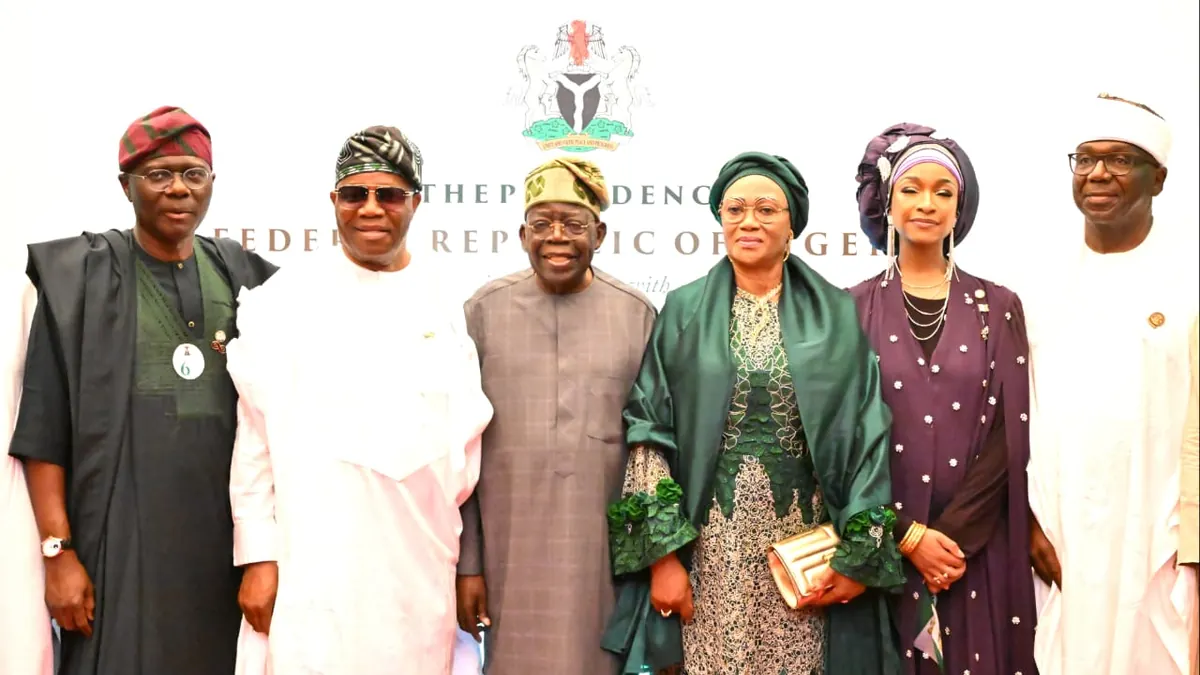
President Bola Tinubu attended the Lagos premiere alongside other senior political figures and guests from government and the creative sector. Their presence underlined the documentary’s position at the intersection of cinema, national memory and contemporary politics.
Documentary cinema and national memory
Abiola remains central to discussions about Nigeria’s democratic history. The 1993 election is widely remembered as a defining political moment, while June 12 is now observed as Democracy Day.
A feature-length documentary gives filmmakers room to move beyond familiar summaries and place archival evidence, personal accounts and competing interpretations beside one another. The strength of the final work will depend on how clearly it distinguishes historical evidence from recollection and political commentary.
The release also broadens the type of Nigerian production available in cinemas. Mainstream Nollywood schedules are often dominated by drama, comedy, romance and action. A documentary receiving a nationwide theatrical window can help test audience interest in non-fiction stories built around Nigerian history.
A growing range of Nigerian screen stories
Nigerian cinema is increasingly drawing on different languages, formats and cross-border collaborations. ThePrime.ng previously covered the Nolly-Bollywood series Imported Bahu, while Yoruba-language productions have also gained renewed attention.
MKO adds historical documentary filmmaking to that expanding range. Its cinema run will indicate whether audiences who know Abiola primarily through public commemorations are willing to engage with a longer, evidence-led account on the big screen.
The documentary is now showing in cinemas across Nigeria. Viewers should check local cinema listings for screening times and availability.
