



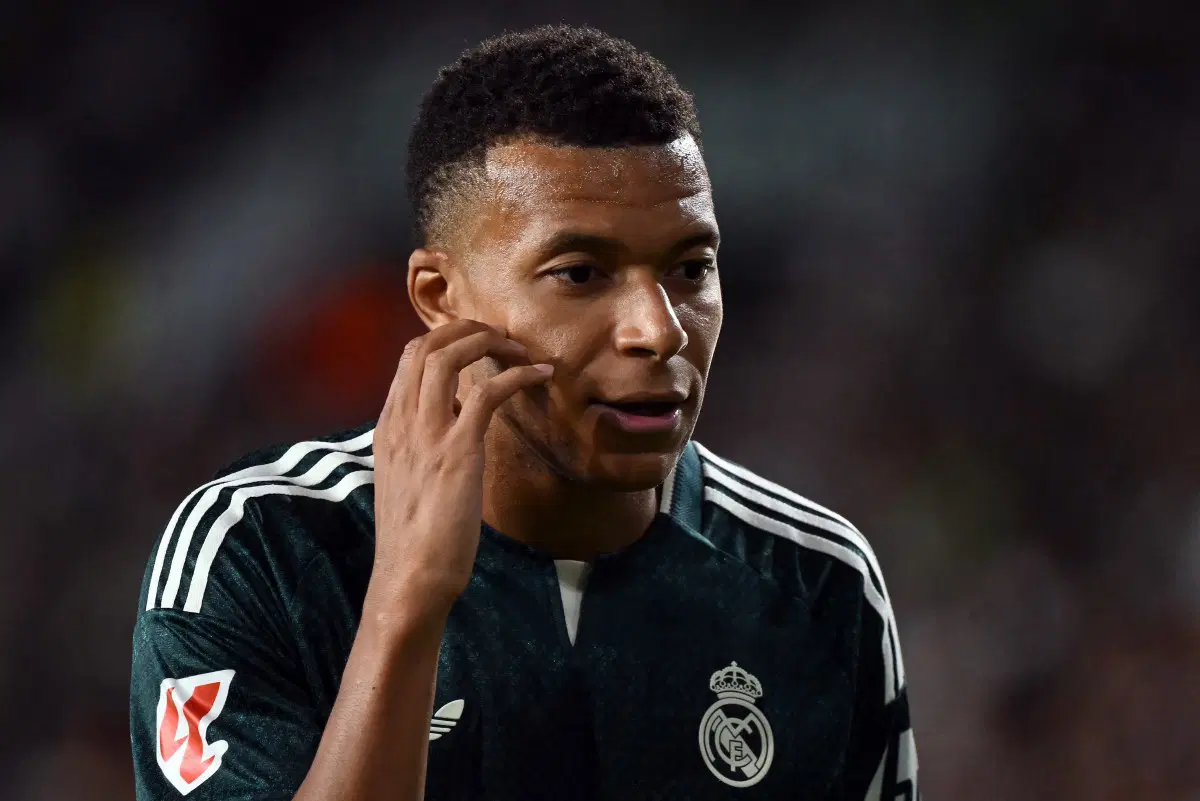
Real Madrid Apologises to China Over Mbappé’s Mao Zedong Remarks
Real Madrid has apologised to China following controversial comments made by its forward Kylian Mbappé about former Chinese leader Mao Zedong. The remarks sparked widespread criticism on Chinese social media and led to commercial consequences for the French football star.
The controversy also prompted China’s state broadcaster to suspend coverage of Spain’s La Liga, while several Chinese brands reportedly ended their partnerships with Mbappé.
In a statement released on Wednesday, October 28, 2026, Real Madrid apologised to the Chinese people for any offence caused by the player’s comments.
The Spanish club said it supported the apology already issued by Mbappé, who expressed regret over his remarks and reaffirmed his respect for the Chinese people.
Mbappé Apologises for Comments About Mao Zedong
The controversy began after a video interview with the French show The Bridge circulated online. In the clip, Mbappé reportedly spoke about an internet meme featuring his face edited onto an image of a man he described as a Chinese dictator, apparently referring to Mao Zedong.
The video was subsequently taken down.
The comments attracted strong criticism in China, where public discussion of Mao, whose rule was associated with widespread deaths and suffering, remains particularly sensitive.
In his apology, issued in French, Chinese and English, Mbappé acknowledged that his remarks were inappropriate.
“My comment was ill-judged and I now understand that it hurt many people in China and in Chinese communities around the world,” he said.
Real Madrid, which has won the European Cup and Champions League a record 15 times according to the supplied report, said it regretted any offence caused by its player.
Chinese Foreign Ministry spokesman Guo Jiakun said at a regular briefing on Wednesday that the authorities took the apology seriously.
Chinese Brands End Partnerships With Mbappé
The controversy has also affected Mbappé’s commercial relationships in China.
Chinese beverage company Dongpeng, which used AI-generated images of the footballer in advertising during the 2026 World Cup, announced that it had ended its partnership with him.
Dairy companies Mengniu and Milkground also reportedly dropped their associations with the player.
The report further said that brands including Dior and Hublot appeared to have removed Mbappé-related content from their Weibo pages. However, searches by AFP did not return results for the player on the brands’ pages, and this alone does not establish the reason for any removal.
The developments raised questions about the commercial risks international sports stars face when their public remarks conflict with the political or cultural sensitivities of major markets.
China Suspends La Liga Broadcasts
The controversy extended beyond individual sponsorships to Spanish football’s presence in China.
China Media Group (CMG), which oversees state broadcaster CCTV, announced a suspension of La Liga broadcasts, according to the report.
La Liga, one of the world’s wealthiest football leagues, said it deeply regretted the offence caused to Chinese fans by Mbappé’s comments.
The decision echoes previous tensions between China and international sports organisations.
In October 2019, China suspended NBA sponsorship deals and its state broadcaster stopped showing NBA games for a period after Daryl Morey, then an executive with the Houston Rockets, posted a message supporting Hong Kong’s pro-democracy movement.
That incident demonstrated how political disputes can affect the commercial activities of international sports leagues in China.
Mbappé Faces Backlash on Chinese Social Media
Mbappé continued to face criticism from Chinese internet users after issuing his apology.
The report said the original joke was not reposted on China’s tightly controlled social media platforms or had been removed. His accounts on Weibo and Xiaohongshu were also reportedly frozen or restricted.
A notice on Weibo stated that the user had been banned from following because of a violation of laws or the platform’s community rules.
Also Read: Eko Hotels at 50: Celebrating a Legacy of African Hospitality
Some online criticism reportedly included racist comments, highlighting how controversies involving public figures can escalate beyond criticism of their original remarks.
Chinese state media had previously described Mbappé as a football sensation and celebrated his talent. The player is also known by the nickname “Guigui” among some Chinese fans, a reference to his resemblance to a character from the Teenage Mutant Ninja Turtles franchise.
China Calls for Respect for Its History and Culture
The reaction to Mbappé’s remarks reflects the importance Chinese authorities and state media place on respect for the country’s history, culture and national sentiment.
An opinion piece in the state-run People’s Daily said respecting other societies’ history, culture, customs and national feelings was a fundamental principle of international interaction.
The incident illustrates the challenges international athletes and sports organisations can face when their public comments cross cultural or political boundaries.
For Real Madrid, the apology represents an effort to address the controversy and reaffirm respect for Chinese fans. For Mbappé, the reported loss of sponsorships and the wider backlash underline the potential consequences of remarks made by globally recognised sports figures.
As the situation develops, the response from Chinese brands, broadcasters and fans could have further implications for the relationship between international football and one of the world’s major commercial markets.
