



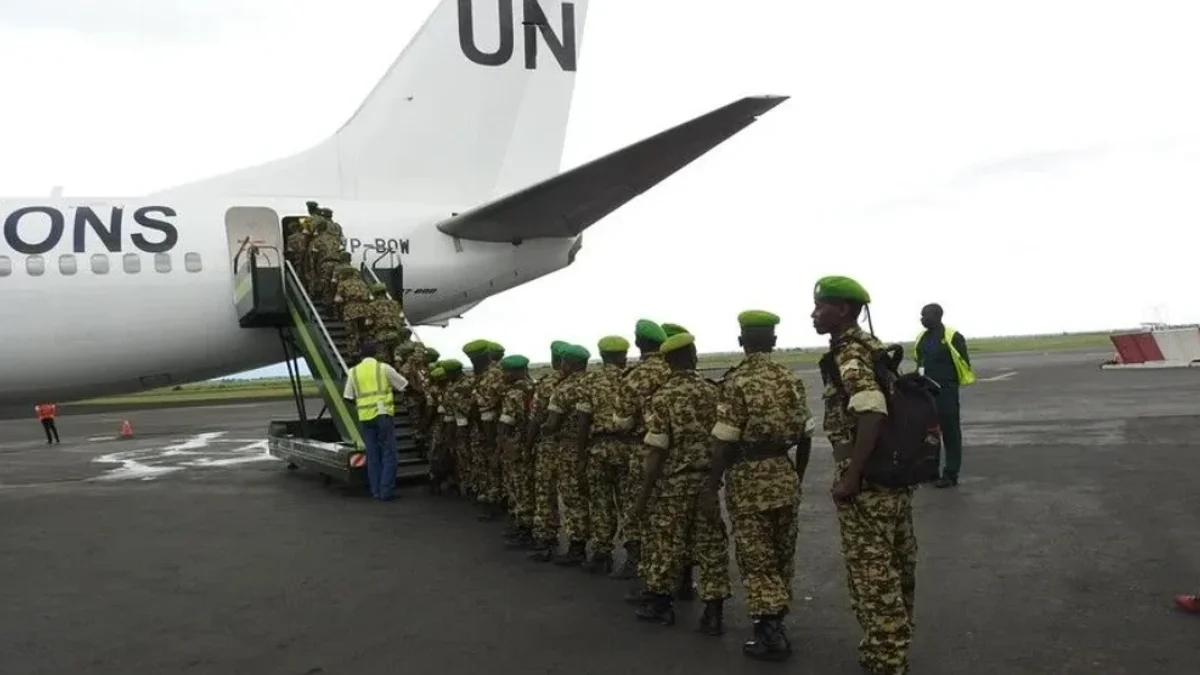
The United Nations has officially closed its political mission in Somalia, ending more than three decades of political and peacebuilding operations in the country.
The UN Transitional Assistance Mission in Somalia (UNTMIS) completed its work on Saturday, October 31, 2026, following a two-year transition process. Its responsibilities have now been transferred to Somali institutions and the UN country team.
The closure followed a request made by Somali President Hassan Sheikh Mohamud in May 2024. He initially asked the UN to end its political mission before its mandate expired in October that year. However, he later revised the request and proposed a two-year transition to ensure a smooth handover of responsibilities.
During the transition, the UN Assistance Mission in Somalia (UNSOM), which had been established in 2013, was renamed UNTMIS.
UNSOM was created by the UN Security Council to support Somali authorities in strengthening democratic governance and the rule of law. Its establishment came after more than two decades of conflict involving militias, Islamist groups and criminal gangs. The mission replaced the UN Political Office for Somalia, which began operations in 1995.
UN Says Partnership With Somalia Will Continue
Speaking on the closure, Raisedon Zenenga, UNTMIS officer-in-charge and the UN Secretary-General’s Deputy Special Representative for Somalia, said the end of the mission did not mean the United Nations was ending its relationship with the country.
He described the development as the conclusion of one chapter and the beginning of another in the partnership between Somalia and the UN.
Also Read: NCDC Identifies Two Suspected Ebola Cases in North-East Nigeria
Zenenga also acknowledged the challenges still facing Somalia but noted that the country had made considerable progress since the early stages of international recovery efforts.
Somalia Still Faces Security and Electoral Challenges
The closure comes as Somalia continues to battle insecurity linked to Al-Shabaab, an Al-Qaeda-affiliated militant group that has fought the government for approximately two decades.
Despite an extensive international military campaign, Al-Shabaab still controls large areas of central Somalia. Efforts to sustain military operations have also faced uncertainty as international financial support declines.
The United States has withdrawn all funding for a key UN logistics mission, raising concerns about the financial sustainability of operations against the militant group.
Somalia is expected to hold parliamentary and presidential elections next May. However, persistent insecurity and disagreements involving opposition groups could create challenges for the electoral process.
