



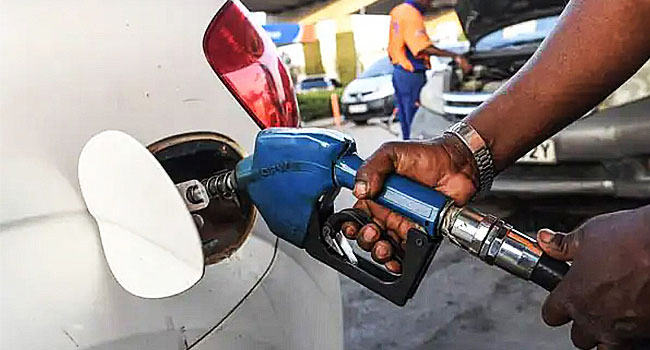
Nigerians are set to enjoy cheaper fuel at the pump after Dangote Petroleum Refinery announced a fresh reduction in its ex-depot prices for Premium Motor Spirit (PMS) and Automotive Gas Oil (diesel). The new Dangote Refinery petrol price takes effect from Thursday, August 6, 2026, marking yet another downward adjustment as the facility continues to reshape Nigeria’s downstream petroleum sector.
What Changed
According to a statement from the refinery, the ex-depot price of petrol has dropped from ₦1,215 to ₦1,165 per litre, a reduction of ₦50. Diesel, meanwhile, saw an even steeper cut, falling from ₦1,650 to ₦1,570 per litre a decrease of ₦80 per litre.
| Product | Old Price | New Price | Reduction |
|---|---|---|---|
| Petrol (PMS) | ₦1,215/litre | ₦1,165/litre | ₦50 |
| Diesel (AGO) | ₦1,650/litre | ₦1,570/litre | ₦80 |
This is the price marketers pay to lift products directly from the refinery, not necessarily the price consumers will see at filling stations. However, since ex-depot prices largely determine retail pump prices, the adjustment is expected to filter down to motorists in the coming days.
Why the Cut Matters
Dangote Refinery, which has a processing capacity of 700,000 barrels per day, has positioned itself as a game-changer for Nigeria’s energy sector since ramping up commercial operations. As the largest single-train refinery on the continent, its pricing decisions carry significant weight, often setting the tone for how other players in the downstream space respond.
In a statement, the company explained that the review reflects its ongoing push to improve energy affordability, widen access to refined petroleum products, and support broader economic activity across the country. It also reaffirmed its commitment to stable supply, noting that operational efficiencies would continue to be passed on to consumers whenever market conditions allow.
How Marketers Are Responding
Following the announcement, independent marketers across the country began adjusting their own pump prices, though not uniformly. In Lagos, for instance, Aiteo reportedly moved its petrol price to ₦1,215 per litre, while Emadeb and Ardova priced theirs at ₦1,217 per litre, and MRS Tin Can settled at ₦1,218 per litre. Outside Lagos, stations such as Liquid Bulk in Port Harcourt and Matrix quoted prices between ₦1,220 and ₦1,222 per litre, while filling stations in Calabar, including Hong Petroleum, Mainland, and Sobaz, sold within the ₦1,217 to ₦1,218 range.
This spread shows that pump prices still vary from state to state and station to station, even after a refinery-wide cut. Nevertheless, industry watchers believe the gap between old and new prices could narrow further as more marketers adjust to remain competitive.
Also Read: Nigerians Snub NNPCL Petrol Stations as Rivals Cut Prices in Abuja
Notably, the National President of the Petroleum Products Retail Outlets Owners Association of Nigeria (PETROAN), Billy Gillis-Harry, has previously noted that pump prices could fall even further if landing costs continue to decline a signal that Nigerians may not have seen the last of these reductions just yet.
What This Means for Nigerians
For everyday consumers, a cheaper PMS price could translate into lower transport fares, reduced logistics costs for businesses, and some relief on the cost of goods that depend heavily on fuel for distribution. Similarly, the drop in diesel price is likely to benefit sectors that rely on generators and heavy-duty transport, including manufacturing, agriculture, and haulage.
That said, the extent of the impact will depend on how quickly and consistently marketers nationwide pass on the reduction. In the past, similar cuts have taken time to fully reflect at individual filling stations, particularly in areas farther from major depots.
The Bigger Picture
This latest move adds to a string of price reviews by Dangote Refinery since it began supplying PMS and diesel to the domestic market. As Africa’s largest refinery, the company has repeatedly framed its pricing strategy around reducing Nigeria’s dependence on imported fuel and strengthening the country’s energy security. Consequently, each price adjustment is being closely watched, not just by motorists, but by economists tracking inflation, transport costs, and the naira’s broader stability.
