



The whiskey tariff agreement between the United States and the United Kingdom has brought economic relief and fresh political tension. Leaders now compete to claim credit for the decision.
Officials announced the removal of import duties on whisky just days before Scotland prepares to vote. As a result, industry players welcomed the move. However, political figures quickly turned it into a public dispute.
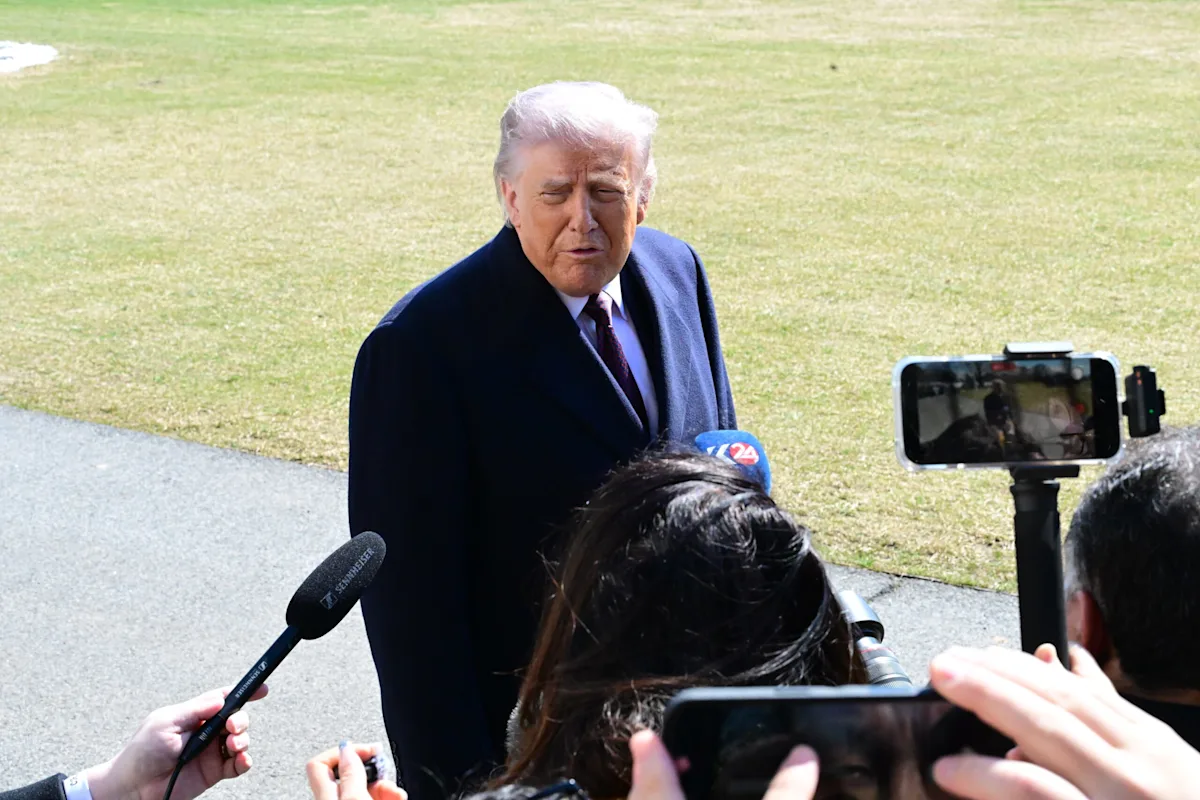
Former US President Donald Trump said he approved the decision to honor a planned state visit involving King Charles III and Queen Camilla. He also claimed that the monarch influenced his choice to reconsider the policy. Because of this, his statement added fuel to an already active political argument in the UK.
Economically, the agreement carries clear value. Scotch whisky remains one of Scotland’s most important exports, and the US continues to serve as a major market. Previously, tariffs cost producers millions of pounds each week. Consequently, distillers and supply chains faced serious strain.
Now, the new arrangement removes those barriers. It allows Scotch whisky to enter the US market more easily. At the same time, it supports American bourbon exports into the UK. Therefore, both sides stand to benefit from smoother trade.
Political Credit Battle Intensifies
Even though the industry celebrates, political leaders remain divided. Each side presents its own version of events. UK Prime Minister Keir Starmer has faced criticism from Trump in recent months, especially over foreign policy disagreements. Still, the agreement shows that both countries continue to engage at a diplomatic level.
In Scotland, First Minister John Swinney has strongly defended his role. He stated that he pushed for the removal of the whiskey tariff as a key priority. In addition, he pointed to his meetings in Washington and his talks with US officials.
According to him, the result reflects consistent effort. He also stressed that discussions with the US administration lasted for months. Therefore, he believes his involvement played a direct role in securing the outcome.
However, his political rivals disagree. Scottish Labour leader Anas Sarwar rejected Swinney’s claims. Instead, he credited the UK government for the progress. He argued that national level negotiations made the deal possible.
Furthermore, he explained that trade agreements usually fall under Westminster’s control. As a result, he placed the success on broader diplomatic work rather than individual efforts.
Meanwhile, Scottish Conservative leader Russell Findlay offered a different view. He dismissed Swinney’s position and supported Trump’s account. In his opinion, King Charles played a key role. He added that the monarch’s influence carried unique weight in the process. Therefore, he urged others not to ignore that contribution.
Other political groups also joined the discussion. Reform UK highlighted the role of business lobbying and engagement with US officials. On the other hand, the Liberal Democrats and Scottish Greens urged caution.
They questioned whether the agreement would last. In particular, they raised concerns about earlier tariff increases. They asked whether those increases had been fully cancelled.
Despite these disagreements, industry bodies have taken a more measured position. The Scotch Whisky Association acknowledged efforts from several sides. It pointed to government officials, business leaders, and the royal family.
Moreover, the association welcomed the improved trade conditions. It noted that cooperation helped bring the agreement together.
As the Scottish election draws closer, the timing of the announcement carries added importance. Political campaigns have already adjusted their schedules. For instance, party leaders now visit distilleries and public venues more often. They aim to connect themselves with the positive news.
