



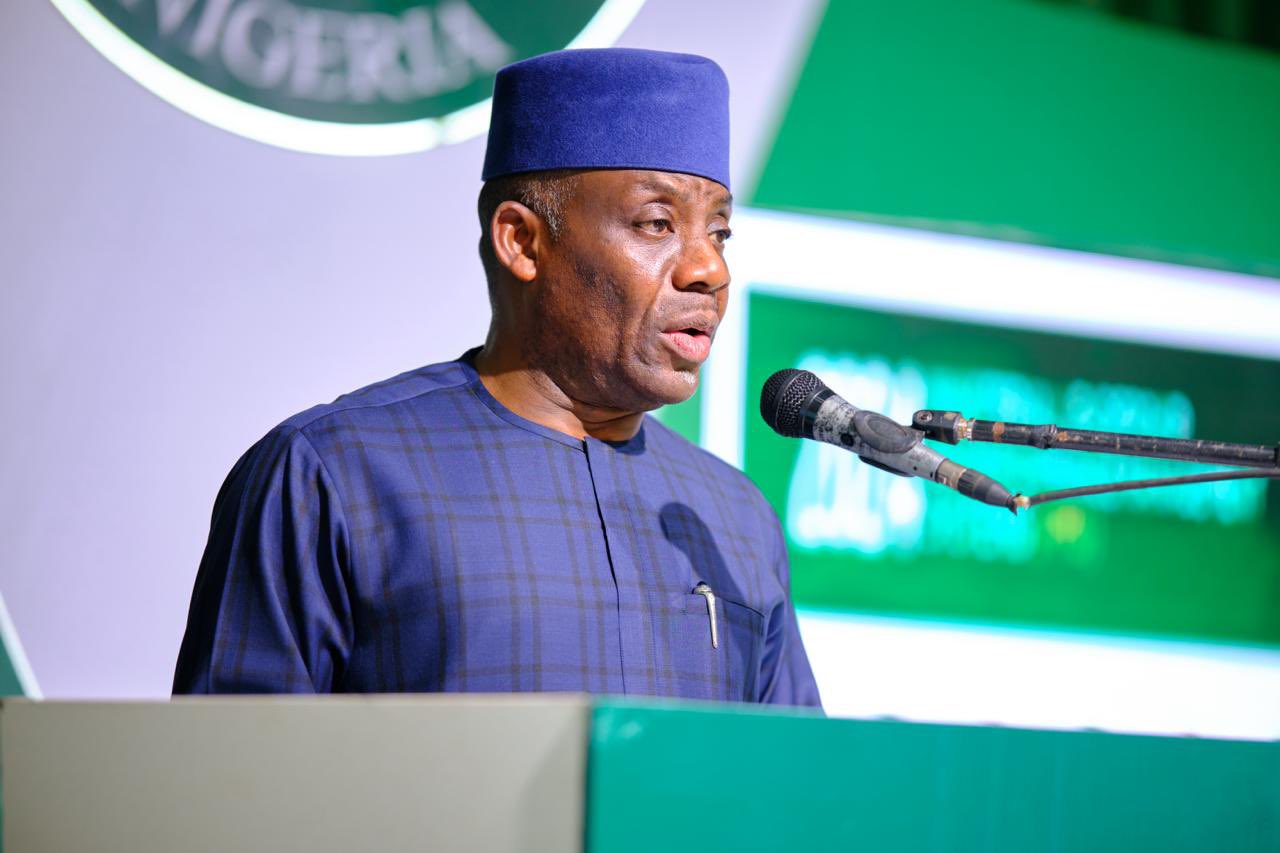
The Federal Government has officially declared June 29 to July 3, 2026, as National Learning Assessment Week, marking a significant step in Nigeria’s efforts to improve the quality of basic education through data-driven reforms.
The nationwide exercise, which will be conducted across all 36 states and the Federal Capital Territory (FCT), is expected to become the country’s first comprehensive assessment of learning outcomes among pupils in basic education schools.
Unlike conventional examinations that focus on grades and certification, the assessment is designed to evaluate how effectively pupils are learning foundational skills such as literacy and numeracy.
Education authorities say the National Learning Assessment Week will provide a clearer picture of the strengths and weaknesses within Nigeria’s education system.
The findings are expected to guide future policies aimed at improving teaching methods, curriculum implementation, and overall learning outcomes in schools.
The initiative follows a successful pilot phase carried out in selected states, including Benue, Gombe, Jigawa, Enugu, Delta, and Oyo.
During the pilot programme, education officials tested assessment tools, operational procedures, and monitoring systems to prepare for the nationwide rollout.
According to education stakeholders, the assessment comes at a crucial time as Nigeria continues to address long-standing challenges in the sector.
These challenges include disparities in educational performance across regions, inadequate learning outcomes, and the growing concern over the number of out-of-school children.
Officials noted that the assessment is not intended to rank schools or determine whether pupils pass or fail. Instead, the exercise will focus on identifying learning gaps and measuring the effectiveness of classroom instruction.
The data gathered will help policymakers understand where interventions are most needed and how resources can be allocated more effectively.
The National Learning Assessment Week is also expected to support broader digital transformation efforts within the education sector.
Government agencies have been working on learner-tracking systems and national education databases to improve accountability, monitoring, and evidence-based decision-making.
The Federal Ministry of Education, in collaboration with relevant agencies, state education authorities, examination bodies, and development partners, will oversee the implementation of the assessment across public and private schools. Large-scale coordination efforts are already underway to ensure smooth participation nationwide.
Educators and school administrators have been encouraged to cooperate fully with the exercise, which is expected to generate valuable insights into the state of learning across the country.
Also Read: Lagos Intensifies Crackdown on Unlicensed Hospitals, Urges Residents to Report Quack Clinics
Experts believe the information gathered could play a critical role in shaping future education reforms and improving academic outcomes for millions of Nigerian children.
As preparations intensify ahead of the assessment week, schools are expected to begin final arrangements to ensure readiness.
Education authorities are also expected to release additional operational guidelines, participation details, and logistical information in the coming days.
With the launch of the National Learning Assessment Week, Nigeria is taking a major step toward building a more accountable and results-oriented education system.
Stakeholders hope the exercise will provide the evidence needed to strengthen learning standards and ensure that every child receives quality education regardless of location or background.
