



The Federal Government has unveiled a N50 million support fund for cancer patients, a new intervention designed to help vulnerable Nigerians overcome non-medical obstacles that often disrupt access to cancer care.
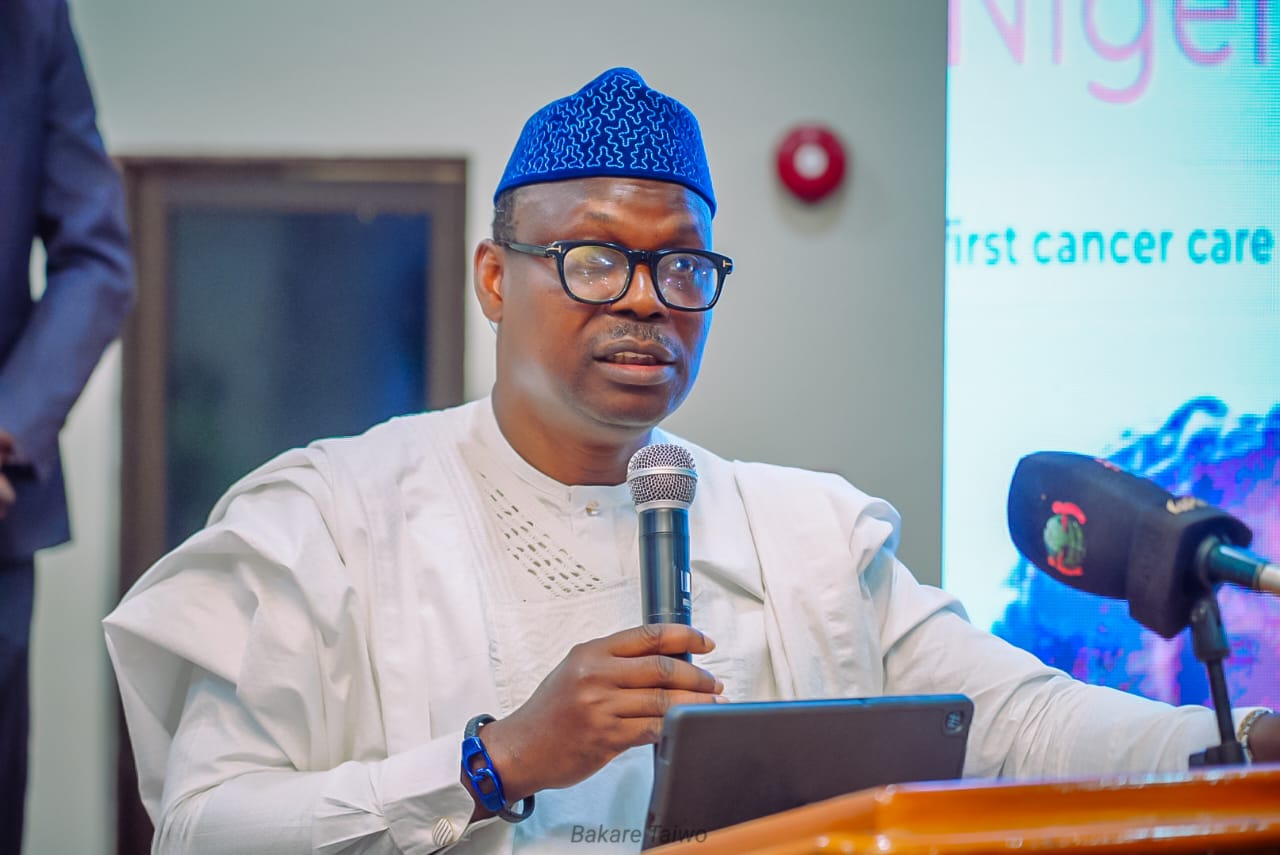
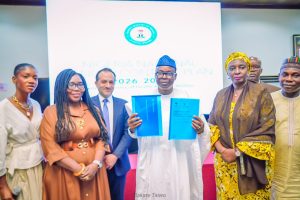
The Minister of State for Health and Social Welfare, Iziaq Salako, announced the initiative on Wednesday in Abuja during the official launch of the fund’s disbursement programme.
According to the minister, the fund will provide financial assistance to cancer patients facing challenges such as transportation costs, accommodation expenses, feeding difficulties, and inadequate social support while undergoing treatment.
Salako revealed that more than 600 cancer patients have already submitted applications for assistance under the programme, while over 200 applicants have successfully passed the verification stage conducted through medical directors and attending physicians at their treatment facilities.
“The Federal Ministry of Health and Social Welfare will provide fifty million naira as government’s initial contribution to the Social Determinants of Health Fund for cancer patients,” Salako said.
He added that verified beneficiaries would receive a minimum of N100,000 each, with payments made directly to recipients to promote transparency and ensure the funds reach those in need.
Why the Support Fund for Cancer Patients Was Created
The minister explained that although the government has invested heavily in cancer treatment infrastructure, subsidised therapies, and public awareness campaigns, many patients continue to struggle with the indirect costs associated with treatment.
He noted that transportation expenses, temporary accommodation near specialist hospitals, food insecurity, and insufficient family support frequently contribute to treatment delays and poor adherence to prescribed therapies.
According to Salako, these challenges disproportionately affect low-income Nigerians and remain a major factor behind unfavourable treatment outcomes.
He described social determinants of health as a significant contributor to the financial hardship experienced by cancer patients worldwide.
The initiative was developed following recommendations from the National Cancer Control Plan Technical Working Group established after the launch of Nigeria’s National Cancer Control Plan 2026–2030. The group is chaired by Folakemi Odedina, while Malami Aliyu serves as co-chair.
Salako praised members of the working group for their dedication, disclosing that several members made personal financial contributions worth millions of naira to help establish the fund.
Government Targets Better Cancer Care and Financial Protection
The minister said the new intervention would complement existing programmes, including the Cancer Health Fund, Cancer Access Partnership, Vulnerable Group Fund, and the NCS Cancer Intervention Fund.
Beyond government contributions, he noted that the support fund for cancer patients is expected to attract donations from corporate organisations, philanthropists, and high-net-worth individuals to strengthen cancer care financing across the country.
“I will like to admonish the managers of the fund to ensure due diligence, transparency and accountability in its disbursement,” Salako stated.
He further reaffirmed the Federal Government’s commitment to reducing Nigeria’s cancer burden by 50 percent before 2030 through expanded prevention, screening, and treatment services.
The administration is pursuing a comprehensive strategy that includes free cancer screening programmes, expansion of treatment infrastructure, subsidised chemotherapy and radiotherapy services, and enhanced patient support systems.
Read Also: Alison-Madueke Cleared of Bribery Charges as London Court Delivers Not-Guilty Verdict
Addressing cancer patients nationwide, Salako assured Nigerians that President Bola Ahmed Tinubu’s administration remains committed to ensuring that a cancer diagnosis does not automatically become a death sentence.
Cancer remains one of the leading causes of death in Nigeria, with thousands of new cases recorded every year.
Health experts have consistently raised concerns about late diagnosis, limited access to specialised treatment centres, and the high out-of-pocket costs faced by patients and their families.
While recent government interventions have improved access to screening and treatment services, advocates have argued that non-medical expenses remain a major barrier to successful care, particularly for patients who must travel long distances to access specialised hospitals.
The newly launched support fund is expected to provide much-needed relief for indigent patients while strengthening the implementation of Nigeria’s National Cancer Control Plan 2026–2030.
