
Jimmy Kimmel Remarks Prompt US Review of Disney Broadcast Licences
Jimmy Kimmel
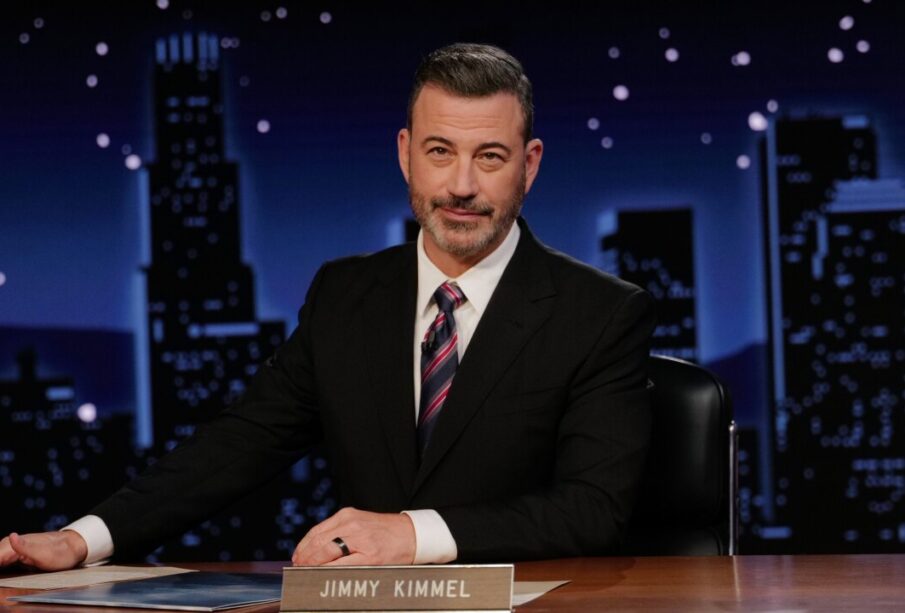
A new dispute involving Jimmy Kimmel has pushed United States regulators to act against The Walt Disney Company. The action followed remarks he made about Melania Trump.
As a result, the Federal Communications Commission has ordered an early review of Disney’s television broadcast licences. This decision comes as public debate grows over the role of late-night comedy during sensitive moments.
The issue started when Kimmel, host of a late-night show on ABC, made a joke about Melania Trump. He described her as having the glow of an “expectant widow.” He delivered the comment shortly before a security scare at a major event attended by Donald Trump and his wife.
Because of the timing, the joke drew strong criticism. Soon after, political figures reacted. Donald Trump then called for Kimmel to be removed from television.
FCC Steps in During Political Tension
Following the backlash, the Federal Communications Commission confirmed it would fast-track its review of licences held by ABC television stations. Disney owns these stations. Normally, these licences would not come up for renewal until 2028. However, the agency has now asked Disney to submit renewal applications within 30 days. This step marks a rare move.
In addition, regulators linked the review to ongoing investigations. These include claims of possible violations, such as unlawful discrimination. Even so, experts say licence revocation remains highly unlikely. In fact, regulators have not taken such action in decades.
Meanwhile, Disney responded quickly. A company spokesperson defended its record. The spokesperson stated that ABC stations follow FCC rules and continue to deliver reliable news and emergency updates. The company also stressed its commitment to serving local communities. Therefore, Disney insists it meets public interest standards.
At the same time, disagreement has emerged within the FCC. Commissioner Anna M Gomez criticised the decision. She described it as politically driven and unlikely to succeed. Furthermore, she warned that such action could face legal challenges. She pointed to strong constitutional protections for free speech.
In response, the White House also commented on the situation. Communications Director Steven Cheung condemned Kimmel’s remarks. He suggested that Kimmel should face lasting consequences. Consequently, his statement has raised concerns about political influence over media regulation.
However, Kimmel has defended himself. During his show, he said the joke was mild. He insisted he did not intend to cause harm. In addition, he highlighted his advocacy against gun violence. He rejected claims that his words encouraged any form of aggression.
Notably, the controversy unfolded alongside a real security incident. During a gala at the Washington Hilton, a gunman identified as Cole Tomas Allen opened fire near a checkpoint. Authorities responded quickly.
They secured the area and evacuated the Trumps safely. Afterwards, officials charged the suspect with offences linked to an attempted attack on the president.
Legal experts have also shared their views. Jeffrey Schneider explained that early licence reviews rarely occur. He added that regulators usually base such reviews on technical or regulatory breaches, not political disputes. Therefore, he believes it would be difficult for the FCC to prove repeated violations strong enough to justify serious penalties against Disney.
This situation is not Kimmel’s first controversy. In an earlier case, he faced backlash over remarks about the killing of a conservative public figure. As a result, his show went off air for a short time. Later, it returned. This pattern shows the ongoing tension between satire and political sensitivity in American media.
The Federal Communications Commission, created in 1934, oversees broadcast standards in the United States. It regulates content rules, ensures transparency in sponsorship, and manages the use of public airwaves. Although political leaders sometimes criticise networks, the law strictly limits the power to revoke licences.

Leave a reply


 #mirandapriestly #thedevilwearsprada2 #merylstreep #annehathaway #emilyblunt00:19
 #OzzyOsbourne and #SharonOsbourne on The Ellen DeGeneres Show #theprimemag01:00
 Remember when #LeBron James faked out the entire team like they were standing still #lebronjames00:10
 That didn’t take long #nba #nbabasketball #basketball #shaq #theprimemag00:30
 It seems that Mr. Bridgerton is not the only one swept up in a romance#bridgerton #bridgertonseason400:23
 Mr and Mrs Bridgerton #bridgerton #penelope #theprimemag00:07
 That classic sibling energy where "I’m sorry" actually means "I’m going to do it again #zendaya00:19
 The groom is here #robertpattinson #thedrama #edwardcullen #moviepremiere #funnymoment00:36
 #rihanna and #asaprocky looking great in #paris #theprimemag00:20
 #ElizabethOlsen and #AnthonyMackie on the red carpet00:09
 #SelenaGomez stepped out for the Rare Beauty Matte Foundation launch on Thursday00:17
 #cardib performance yesterday in #vegas #Valentines2026 #lustremagazine00:11
 #CardiB #WholesomeChaos #ProtectTheCrow #FunnyMoment #CelebrityMoments00:07
 They never told you about this Golden Globes gaffe with #JenniferLopez and #JeremyRenner00:11
 #bridgerton #netflix #trending #viral #misspossy #bridgertonseason401:17
 He definitely got it🤩🔥#onechallenge #thewoahchallenge #tiktok #dancetrends #hiphop #dancers00:18
 Oh No! 😂 #funny #relatable #trending #memes00:08
 #LeBron has made a major impact off the court his commitment to education and his community01:01
 😂😂 #memes #baby #fun #funny #trending00:08
 The only time #Shaq really went one-on-one with #LeBron #shaquilleoneal #lebronjames00:29
 Shaq did this on live tv… 😂 #shaq #insidethenba #charlesbarkley #shaquilleoneal #nba00:17
 You just know Kendrick’s heart dropped before he laughed 😭 #shaq #ShaquilleO’Neal00:10
 #nickiminaj or #cardib . That’s a tough one for #50cent 😂00:13
 #sofiavergara in #ModernFamily: #Sofía #Sitcom #FamilyComedy #funny #TVSeries01:00
 #SofíaVergara when asked about arrest on #TheEllenDeGeneresShow 😂00:20

Welcome to The Prime.ng, a modern Nigerian entertainment and lifestyle publication spotlighting culture, creativity, experiences, and the conversations shaping today’s generation.


