



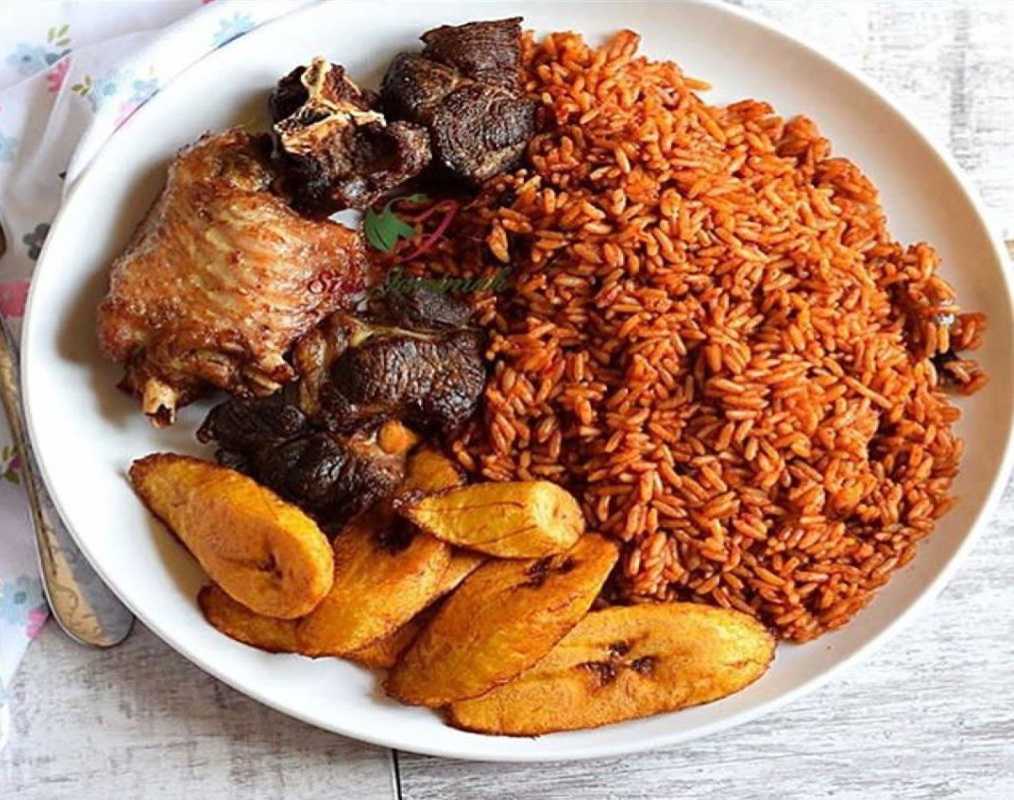
Food in West Africa is seen as more than daily nourishment. Stories of migration, trade, farming traditions, family systems, celebration, and survival are often carried through meals. Across countries such as Nigeria, Ghana, Senegal, Sierra Leone, Ivory Coast, and The Gambia, recipes have been passed down for generations.
What makes West African Food stand out is not only the bold flavor. A balance of spice, smoke, texture, fermentation, grains, and slow cooking is also found in many dishes.
In addition, ingredients such as tomatoes, onions, peppers, palm oil, groundnuts, dried fish, fermented seeds, cassava, millet, rice, and fresh herbs are widely used. As a result, meals are made rich, comforting, and memorable without elaborate presentation.
In recent years, wider attention has been given to West African cuisine. Restaurants in cities such as London, New York City, and Toronto now serve dishes like jollof rice, suya, waakye, and egusi soup more often.
In the same way, African chefs have been recognized for presenting regional cooking methods and traditional ingredients to wider audiences.
Still, the full richness of the cuisine cannot be understood through food trends alone. Strong ties to culture, community, and everyday life are carried by these meals. Therefore, the region is often understood better through its food traditions.
What Makes West African Food Unique?
One major feature of West African cuisine is flavor concentration. Many meals are prepared slowly, and ingredients are added in stages instead of being rushed. Soups are often simmered for hours.
Likewise, tomato bases for rice dishes are reduced carefully so richer flavors can be achieved. Meat is also grilled over charcoal in many places so smoky depth can be created.
Texture is valued strongly as well. In several parts of West Africa, attention is given not only to taste but also to mouthfeel. Thick soups are paired with soft swallows, and a different eating experience is created. At the same time, roasted meats, fermented grains, and spicy stews add contrast through crunch, softness, and heat.
Local crops are relied on heavily throughout the region. Cassava, yam, millet, sorghum, plantain, rice, and beans are commonly eaten every day.
However, ingredients differ from one area to another because climates are not the same. More seafood is used in coastal regions, while grains, cattle, and dried ingredients are depended on farther inland.
Spice also plays an important role. Yet the cuisine is not built only around heat. Scotch bonnet peppers and chili are widely used, but flavor is often balanced with smokiness, nuttiness, and fermented notes. Therefore, seasoning is made more layered than many outsiders expect.
Communal eating is another strong part of the culture. Large portions are often shared among relatives and guests. In many homes, generosity with food is viewed as a sign of care and hospitality. Because of this, meals are usually treated as shared experiences instead of private routines.
The Most Iconic West African Dishes
1. Jollof Rice
Few meals are connected to West African Food as strongly as jollof rice. It is recognized widely across the region and beyond. Over time, it has also become a cultural symbol for many West Africans.
At its center, jollof rice is made by cooking rice in a tomato and pepper sauce. However, much technique is required for a good result. The tomato base must be cooked down properly so acidity can be reduced and flavor can become richer.
In addition, the seasoning balance matters greatly. Rice texture is also judged carefully. Even the smoky layer at the bottom of the pot, often called “party rice” flavor in Nigeria, is highly valued.
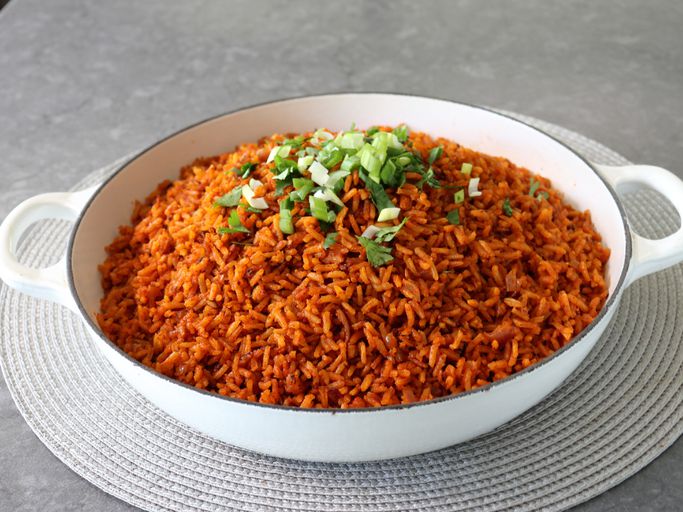
Different styles of jollof are prepared across the region. Nigerian jollof is often made smoky and heavily seasoned. Meanwhile, Ghanaian jollof is usually cooked with fragrant rice varieties and stronger aroma. Senegal’s version is connected closely to thieboudienne and is viewed by many food historians as one of the earliest roots of the dish.
The famous “Jollof Wars” between Nigerians and Ghanaians may appear humorous online. Still, strong personal attachment to the dish is reflected through the debate. Recipes are guarded closely in many families, and celebrations are often judged by the quality of the jollof served.
Jollof rice is commonly paired with fried plantain, grilled chicken, beef, fish, or salad. It is also served at weddings, birthdays, parties, and family gatherings. Therefore, the dish is treated both as comfort food and celebration food.
2. Fufu and Swallows
For many newcomers, swallows are among the least familiar parts of West African cuisine. Yet they are eaten daily across much of the region.
The term “swallow” is used for soft starchy foods that are eaten with soups and stews. Small portions are usually shaped by hand, dipped into soup, and swallowed with little chewing. Because of this, a very different dining experience is created.
Fufu is one of the best known examples. Traditionally, boiled cassava, yam, or plantain is pounded until a smooth and stretchy texture is formed. However, instant flour versions are now prepared often in busy cities because they save time.
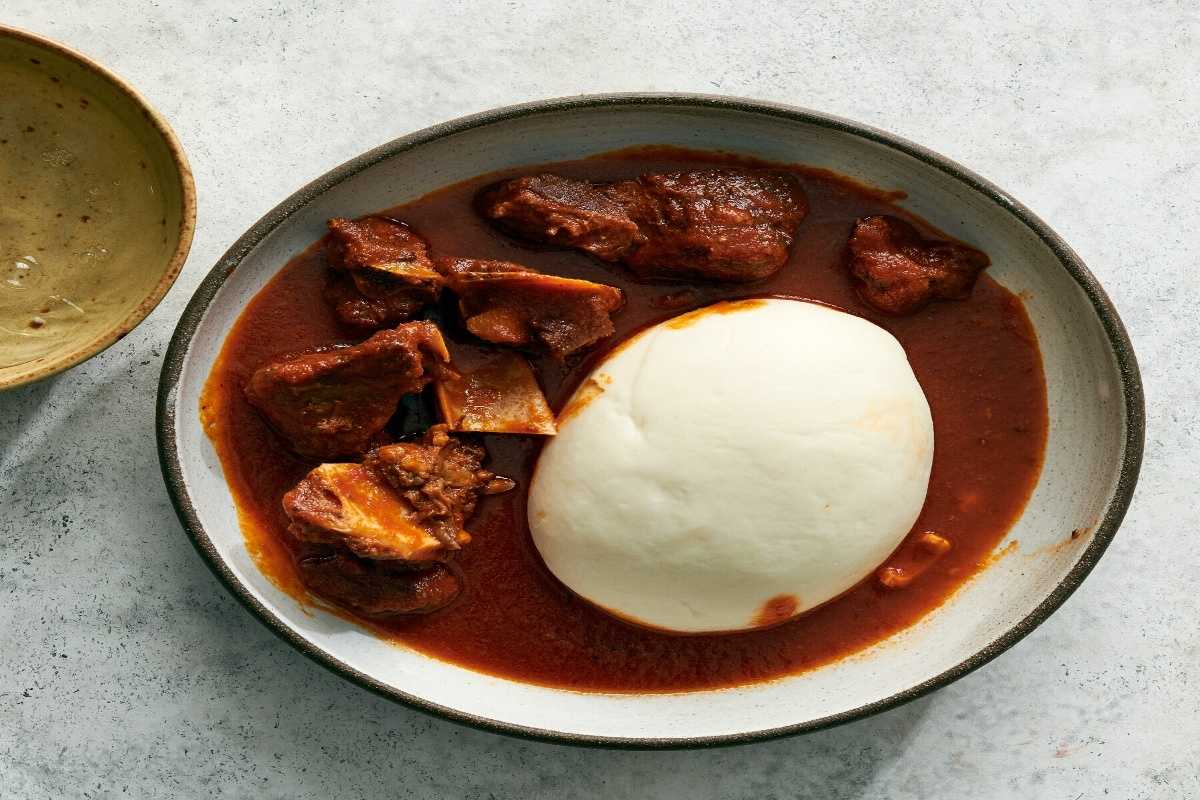
Different versions are also found across countries. In Ghana, cassava and plantain are commonly combined. WhileIn Nigeria, pounded yam is eaten widely, especially in the southwest and southeast. In Sierra Leone and Liberia, cassava based swallows are common.
Texture is considered extremely important. A good swallow should feel smooth, elastic, and light. Sticky or lumpy results are usually avoided.
The soups served with swallows matter just as much. Egusi soup, okra soup, ogbono soup, groundnut soup, and light soup are among the many popular choices prepared throughout the region.
Eating with the hands may feel unfamiliar to outsiders at first. Even so, warmth and connection are often created through that style of dining. Furthermore, the communal nature of West African meals is reinforced.
3. Egusi Soup
Egusi soup is viewed as one of the richest dishes in West African cooking. Ground melon seeds are used to create a thick and nutty texture that feels deeply comforting.
In Nigeria especially, egusi soup is cooked regularly in many homes. However, preparation styles differ by ethnic group and family tradition. Some cooks prefer a smooth consistency, while soft clumps are allowed by others during cooking.
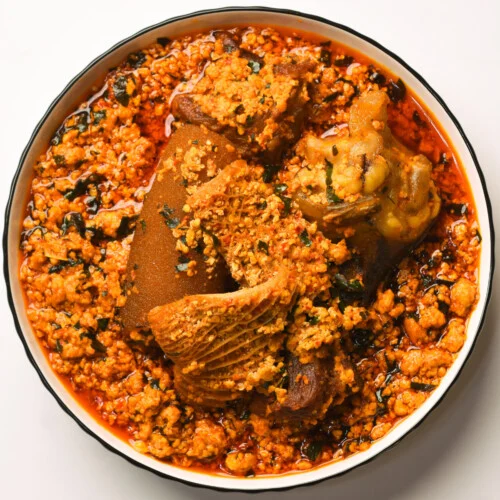
Palm oil, peppers, onions, leafy vegetables, and assorted proteins are usually included in the soup base. Beef, fish, tripe, smoked turkey, crayfish, and fermented locust beans are also added often for extra depth.
One reason egusi soup stands out is its balance. The nuttiness of the melon seeds softens the heat from peppers. At the same time, smoked proteins bring stronger flavor and complexity. Because of this, the soup feels rich without becoming overwhelming.
Egusi is usually served with pounded yam, eba, amala, or fufu. In many Nigerian households, it is treated as a dependable family meal because several people can be fed from one pot.
The dish also reflects the resourcefulness seen in West African cooking. Melon seeds that might have been discarded are instead transformed into a filling and flavorful meal.
Read More: Africa’s Most Famous Traditional Foods and Their Countries of Origin
4. Thieboudienne
Thieboudienne, also called ceebu jën, is regarded widely as the national dish of Senegal. The name is translated roughly as “rice and fish,” though much more complexity is found in the meal itself.
Fish stuffed with herbs and seasoning is usually cooked beside rice and vegetables in a tomato based broth. Carrots, cassava, cabbage, and eggplant are also added commonly.
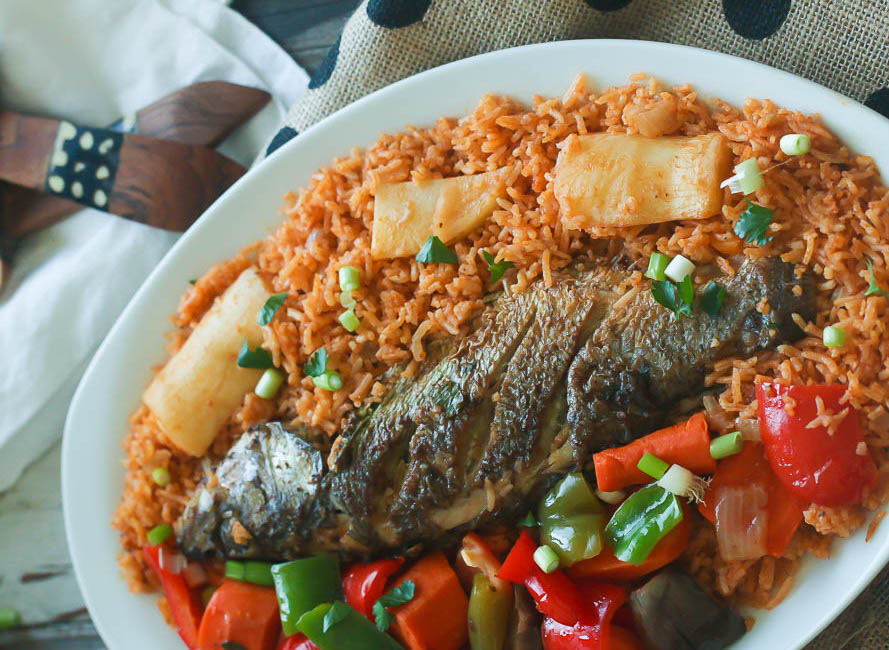
Patience is required during preparation because flavor must be absorbed slowly by the rice. As a result, deeply seasoned rice with seafood richness and gentle smokiness is produced.
Many food historians believe that thieboudienne influenced the later development of jollof rice across West Africa. The dish was first associated with the Wolof people of Senegal before regional trade and migration helped spread similar cooking traditions.
A strong sense of balance is what makes the meal memorable. Tomato acidity, fish richness, and vegetable sweetness are blended naturally together. Therefore, the dish feels hearty without becoming too heavy.
Coastal food traditions are also highlighted clearly through thieboudienne. Fish remains central to diets along the Atlantic coast, where seafood markets continue to influence everyday cooking.
5. Suya
Suya is regarded as one of the most famous street foods in West Africa, especially in Nigeria. Thin slices of beef are coated with a spicy peanut seasoning called yaji, skewered, and grilled over open flames.
An intense flavor profile is created through the combination of heat, smoke, nuttiness, salt, and char. Therefore, the dish is often remembered after the first bite.
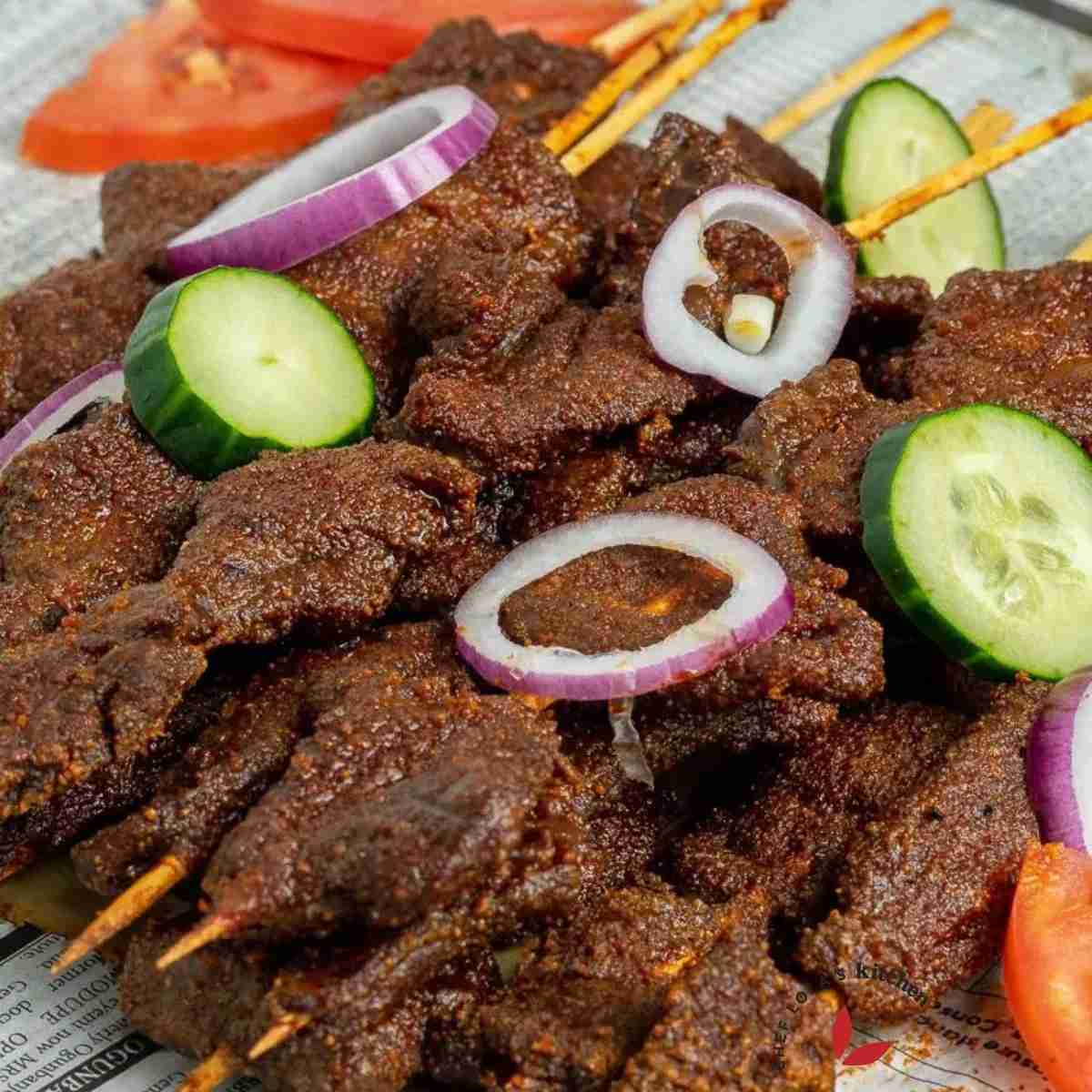
Suya is connected strongly to the Hausa people of northern Nigeria. Even so, it is now eaten across the country and in other places as well. In many Nigerian cities, suya stands become busy gathering points at night where meals, conversation, and takeaway orders are shared.
The seasoning blend is what defines quality suya. Ground peanuts form the base, while ginger, garlic, cayenne, paprika, and local spices add complexity. In addition, onions, tomatoes, and cabbage are usually served beside the meat so the heat can be balanced.
Over time, many variations have been introduced. Chicken, ram meat, liver, shrimp, and tofu versions are now prepared in some urban restaurants.
International food festivals and African restaurants abroad have also helped suya receive wider attention. The smoky grilled flavor feels familiar to many diners, yet its identity remains distinctly West African.
6. Waakye
Waakye is considered one of the most loved meals in Ghana. Simple ingredients are used, yet a deeply satisfying dish is created.
Rice and beans are cooked together, traditionally with dried millet leaves that give the dish its earthy aroma and darker color. Waakye is often served with boiled eggs, fried plantain, spaghetti, stew, gari, fish, or meat.
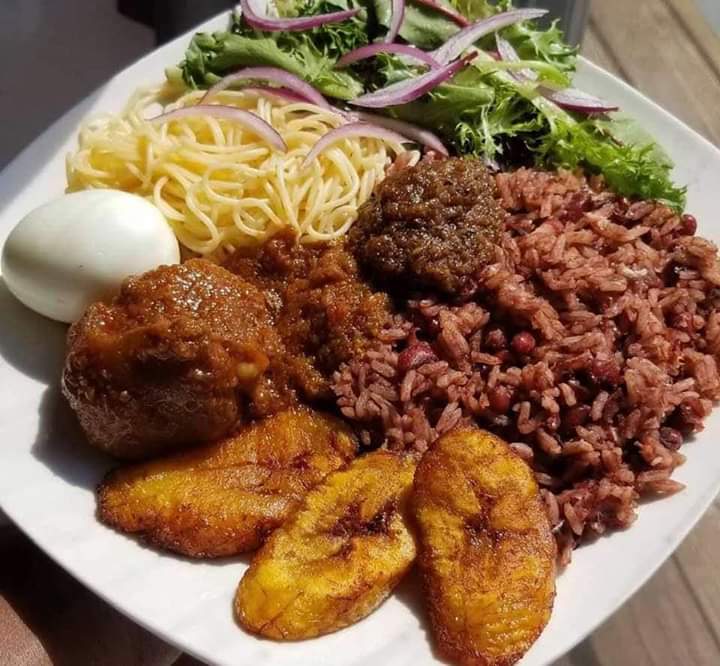
One reason waakye stands out is its flexibility. It can be eaten for breakfast, lunch, or dinner. Across Ghana, street vendors begin serving it early in the morning, and long queues are often seen before noon.
Variety is created through the layering of accompaniments. Soft beans contrast with spicy stew, while sweetness is added by fried plantain. Crunch is also provided by gari.
Waakye reflects the practical side of West African cooking as well. Rice and beans are affordable, filling, and nutritious. Therefore, the dish remains accessible across different income levels.
More attention has also been given to waakye because rice and beans naturally fit plant based eating patterns while still providing strong flavor.
Read More: Top 10 Must-Visit Steakhouses in South Africa for 2026 Culinary Experiences
Why West African Cuisine Continues to Grow
Stronger interest is being shown toward West African cooking because rich flavor, authenticity, and tradition are offered together.
Diaspora communities have played an important role in introducing these foods abroad. African restaurants outside the continent are no longer visited only by immigrant communities. Wider audiences are also being drawn to the cuisine.
Social media has contributed greatly as well. Dishes such as jollof rice and suya are shared widely because of their colorful and vibrant appearance. In addition, recipe creators from West Africa now reach larger audiences through cooking videos and food storytelling.
At the same time, traditional meals are being presented in more modern ways by contemporary chefs. Even when presentation changes, the original flavors and cooking traditions are usually preserved.
Conclusion
West African Food stands out because flavor, history, texture, and community are brought together naturally. Stories of migration, farming, trade, and family tradition are carried in every meal. From smoky suya sold on crowded streets to carefully prepared thieboudienne shared at home, cultural identity is reflected strongly through the cuisine.
What makes these meals memorable is not only the richness or spice. Care, patience, and shared experience are also placed at the center of the cooking process. Most dishes are prepared slowly, layered carefully, and enjoyed communally.
As more attention is given to African cuisine, greater recognition is being earned by West African cooking. For many people across the region, this recognition simply confirms what has long been understood already. One of the world’s most flavorful and diverse food traditions has been preserved through West African kitchens for generations.
Frequently Asked Questions
1. Is West African Food Always Spicy?
Not always. Many dishes use peppers, but the cuisine focuses more on layered flavor than extreme heat. Some meals are mild, while others can be adjusted depending on personal preference.
2. What is the Most Popular West African Dish?
Jollof rice is probably the most internationally recognized dish from the region. However, popularity varies by country and community.
3. What Are Swallows in West African cuisine?
Swallows are soft starchy foods such as fufu, pounded yam, eba, or amala that are eaten with soups. They are usually eaten by hand.
4. Is West African Food Healthy?
Many traditional dishes include vegetables, legumes, grains, fish, and unprocessed ingredients. However, nutritional value depends on preparation style and portion size, just like any cuisine.
5. Why is Jollof Rice so Important Culturally?
Jollof rice is tied to celebrations, family gatherings, and national pride. It has become a symbol of identity across several West African countries.
