




An African safari remains one of the most unforgettable travel experiences in the world. Few trips offer the same level of excitement, beauty, and connection with nature. Every sunrise brings movement across open plains.
Lions roam freely, elephants travel in herds, and giraffes move quietly across the horizon. Unlike zoos or wildlife parks, safari animals live in their natural environment.
In 2026, safari travel continues to attract millions of visitors from around the world. As interest rises, many travelers ask the same question before booking: how much does an African safari actually cost?
The answer depends on several factors. Your destination, travel season, comfort level, and choice of activities all affect the final price. Some travelers spend less than 2,000 US dollars on a short safari.
Others spend more than 20,000 US dollars on private luxury experiences. Therefore, understanding safari pricing helps travelers set realistic expectations and avoid surprise expenses later.
This guide explains current safari costs in 2026 using realistic pricing, verified park fees, and practical travel examples.
What Most African Safari Packages Include
Safari packages work differently from standard vacations. Instead of paying separately for transport, tours, and accommodation, most safari operators combine these services into one package.
A standard safari package usually includes accommodation inside or close to national parks. It also covers daily game drives in specially built 4×4 vehicles. In addition, travelers receive the services of a professional safari guide who understands wildlife behavior and park routes.
Most safari packages also include breakfast, lunch, and dinner. Some operators include airport pickups and domestic transfers within the country. In East Africa especially, organized tours often handle most logistics from arrival to departure.
However, travelers still pay for several items separately. International flights rarely appear in safari quotes. Visa fees, travel insurance, alcoholic drinks, laundry services, and staff tips also remain separate in many cases. Furthermore, optional activities such as hot air balloon rides or cultural tours increase total spending.
Some safari companies include park entry fees in their prices, while others list them separately. As a result, two safari quotes may appear similar at first but end up costing very different amounts.
The Four Safari Price Tiers in 2026
Safari prices in 2026 generally fall into four major categories. These categories reflect comfort level, exclusivity, and service quality.
1. Budget Safaris
Budget safaris usually cost between 150 and 300 US dollars per person per day. These safaris focus mainly on wildlife viewing rather than comfort.
Travelers often stay in simple camps or modest lodges. Vehicles are shared with larger groups, and meals remain basic but filling. Although luxury stays are limited, wildlife experiences still remain excellent in countries such as Kenya and South Africa.
For many younger travelers and backpackers, this category offers the best entry point into safari travel.
2. Mid Range Safaris
Mid range safaris cost around 300 to 700 US dollars per person per day. This category attracts the largest number of international travelers.
Accommodation becomes more comfortable and visually appealing. Lodges often include private bathrooms, better dining, and scenic locations near wildlife zones.
In addition, game drives usually involve fewer passengers, which improves the overall experience. Many first time safari travelers choose this option because it balances comfort and affordability.
3. Luxury Safaris
Luxury safaris generally range from 700 to 1,500 US dollars per person per day. At this level, travelers receive far more privacy and personalized service.
Luxury lodges often sit inside prime wildlife areas with outstanding views. Guests may enjoy private decks, plunge pools, spa services, and gourmet meals. Moreover, some camps offer private game drives and highly trained guides. Countries such as Botswana and Tanzania dominate this category because they focus heavily on premium conservation tourism.
4. Ultra Luxury Safaris
Ultra luxury safaris begin around 1,500 US dollars per person per day and sometimes exceed 4,000 US dollars.
These safaris deliver highly personalized experiences. Private aircraft transfers, exclusive lodges, personal chefs, and custom itineraries often form part of the package. Some travelers even book entire camps for private family use. Although expensive, these safaris provide unmatched privacy and comfort.
Verified 2026 National Park Entry Fees by Destination
Park entry fees play a major role in safari pricing. Every country sets different conservation fees based on tourism demand and wildlife protection costs.
In Kenya, entry to the Maasai Mara National Reserve usually ranges from 80 to 200 US dollars per adult each day for international visitors. Peak migration season often attracts higher rates because visitor demand rises sharply during that period.
The Maasai Mara National Reserve remains one of Africa’s most famous safari destinations due to its rich predator population and annual wildebeest migration.
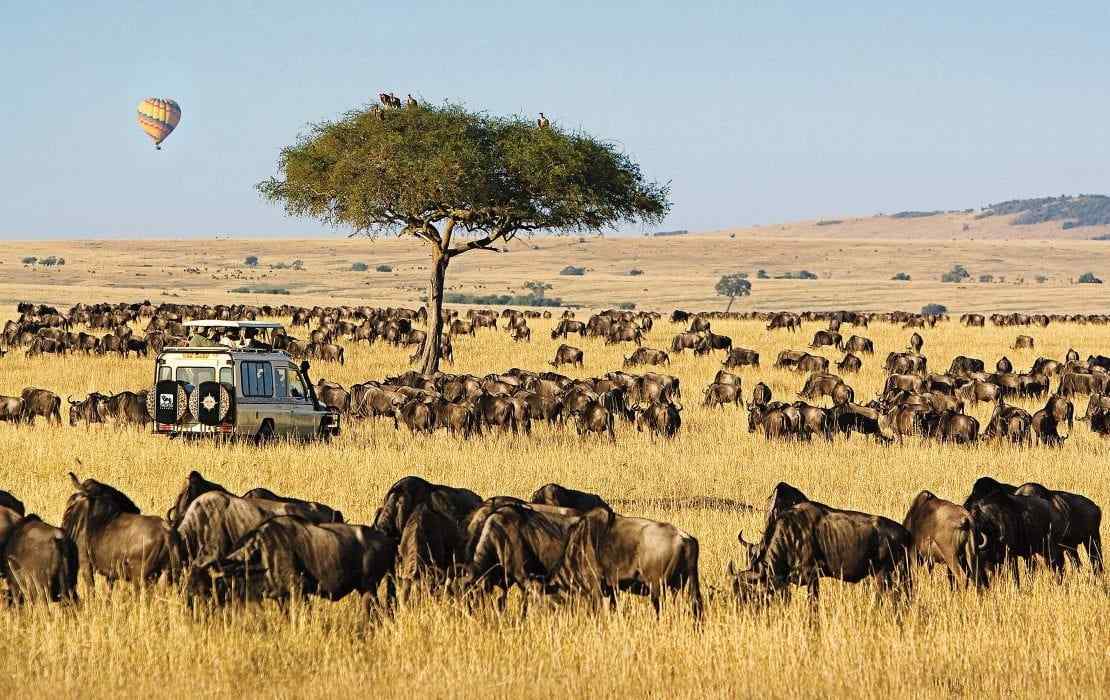
In Tanzania, the Serengeti National Park charges approximately 70 to 100 US dollars per person daily. Additional conservation and camping fees may also apply depending on accommodation type and safari route.
The Serengeti National Park continues to attract travelers because of its vast landscapes and strong wildlife concentrations throughout the year.
South Africa offers some of the lowest safari park fees on the continent. The Kruger National Park usually charges between 25 and 40 US dollars daily for foreign visitors.
The Kruger National Park also supports self drive safaris, which helps travelers reduce transport and guide expenses significantly.
Botswana operates differently from many safari destinations. Instead of attracting high visitor numbers, the country limits tourism in many protected areas. Consequently, park fees can exceed 150 US dollars per day in some private concessions.
Although Botswana costs more, travelers often enjoy quieter wildlife encounters and less crowded game drives.
Gorilla Trekking Permits and Their Impact on Safari Budgets
Gorilla trekking remains one of Africa’s most expensive wildlife activities. However, many travelers consider it one of the most emotional and rewarding experiences available anywhere in the world.
Only a few countries offer mountain gorilla trekking experiences. These include Uganda, Rwanda, and the Democratic Republic of Congo.
In Uganda, gorilla permits usually cost between 800 and 1,000 US dollars per person in 2026. Rwanda charges around 1,500 US dollars for a single trekking permit.
Meanwhile, the Democratic Republic of Congo offers cheaper permits ranging from roughly 400 to 600 US dollars. Still, some travelers avoid the destination because of security concerns and unstable travel conditions.
These permit prices alone can equal the cost of an entire mid range safari. Nevertheless, demand remains strong because mountain gorilla encounters are extremely rare.
Travelers should also remember that trekking costs extend beyond permits. Accommodation near gorilla parks often costs more because room supply remains limited. Transport to trekking regions can also become expensive, especially in remote areas.
Additional Safari Costs Many Travelers Forget
Many travelers focus only on safari package prices and forget several additional expenses.
International flights remain one of the largest costs. Depending on departure country and season, airfare can range between 600 and 1,500 US dollars or more.
Domestic flights inside Africa also increase safari budgets quickly. In larger countries such as Tanzania and Botswana, travelers often rely on bush flights between parks.
Visa fees generally cost between 50 and 100 US dollars for many nationalities. At the same time, travel insurance adds another important expense. Most travelers spend around 50 to 150 US dollars on insurance for short safari trips.
Tipping also forms an important part of safari culture. Although not compulsory, travelers usually tip guides, drivers, cooks, and lodge staff at the end of their stay.
Furthermore, optional experiences can raise costs significantly. Hot air balloon safaris, night drives, walking safaris, and cultural village visits often require separate payment.
Alcoholic beverages also affect budgets. Some luxury camps include premium drinks, while many mid range lodges charge separately.
Which African Safari Destination Offers the Best Value in 2026?
The best safari destination depends largely on personal travel goals. Kenya and Tanzania offer strong overall value for first time safari travelers.
Both countries provide famous wildlife parks, strong safari infrastructure, and a wide range of accommodation choices. Travelers also gain access to the Great Migration and excellent predator sightings.
South Africa remains the best option for travelers with tighter budgets. Lower park fees and self drive opportunities help visitors reduce overall spending considerably.
Botswana appeals more to travelers seeking privacy and exclusivity. Although costs remain high, the country limits tourist numbers carefully, which creates more intimate safari experiences.
Uganda and Rwanda remain the top choices for gorilla trekking. However, travelers should prepare for significantly higher budgets due to permit costs and remote travel logistics.
Realistic Safari Budget Examples
A five day budget safari in Kenya or South Africa usually costs between 1,200 and 2,000 US dollars per person. This estimate typically includes accommodation, meals, game drives, and park fees.
A seven day mid range safari in Kenya or Tanzania often ranges from 3,000 to 6,000 US dollars per traveler. At this level, visitors enjoy better lodges, smaller game drive groups, and improved service quality.
Meanwhile, a luxury safari in Botswana or the Serengeti may cost between 7,000 and 15,000 US dollars for a similar trip length.
Ultra luxury safaris with private flights and customized itineraries can easily exceed 20,000 US dollars per person.
Final Thoughts
An African safari in 2026 can fit many different budgets. Some travelers choose affordable group tours, while others prefer fully private luxury experiences. The final price depends on destination, comfort level, travel season, and activity choices.
Still, every safari offers something special. Watching wildlife move freely across open landscapes creates memories that remain long after the journey ends. Whether travelers visit the Serengeti National Park, the Kruger National Park, or the Maasai Mara National Reserve, the experience delivers a rare connection with nature that few other trips can match.
FREQUENTLY ASKED QUESTIONS
-
Is an African Safari Worth the Cost?
Yes. Despite the price, the experience of seeing wildlife in natural habitats is unmatched anywhere in the world.
-
What is the Cheapest Country for an African Safari?
South Africa is generally the most affordable due to lower park fees and self-drive options.
-
How Many Days are Enough for a Safari?
A minimum of 4–6 days is recommended for a meaningful experience. However, 7–10 days gives a more relaxed and complete African Safari.
-
Why are Safaris so Expensive?
Costs come from park fees, vehicle maintenance, guide expertise, fuel in remote areas, and conservation funding.
-
When is the Best Time to Go on Safari?
June–October: Best wildlife viewing (dry season), January–March: Calving season in East Africa and November–May: Lower prices and fewer crowds
