



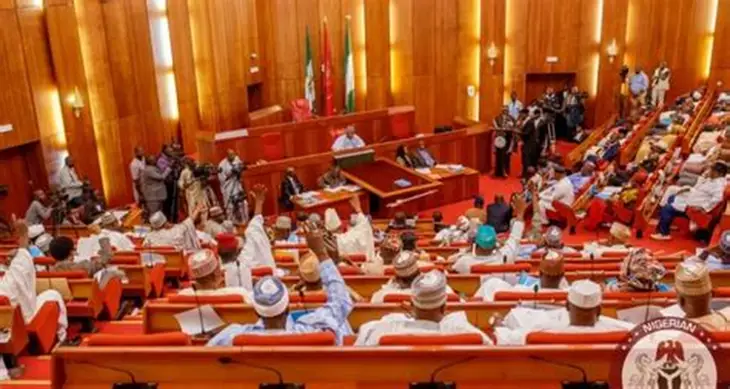
The Nigerian Senate is considering a far-reaching constitutional amendment that could replace the current two-term system for presidents and state governors with a six-year single tenure, a move supporters say would allow elected leaders to focus more on governance rather than re-election campaigns.
The proposal, which is expected to be introduced after the 2027 general elections, seeks to amend existing constitutional provisions that currently permit presidents and governors to serve two four-year terms.
If approved, future occupants of these offices would be limited to a single six-year term with no opportunity to seek re-election.
The development was disclosed by Senate Leader Opeyemi Bamidele, who explained that the proposed reform is part of ongoing discussions aimed at strengthening Nigeria’s democratic institutions and improving governance across the country.
According to Bamidele, the idea behind the six-year single tenure is to reduce political distractions associated with second-term ambitions.
Under the current arrangement, elected officials often begin strategising for re-election shortly after assuming office, leaving less time to concentrate fully on policy implementation and development projects.
Why the Proposal Matters
Nigeria’s current democratic framework allows presidents and governors to remain in office for a maximum of eight years through two consecutive four-year terms. The proposed reform would shorten that period to six years while eliminating the possibility of a second term.
Supporters of the proposal argue that a single tenure could encourage leaders to focus on delivering results without the pressure of securing another electoral mandate.
They believe it could also reduce the intense political competition and campaign activities that often dominate governance during a first term.
The proposal is expected to generate widespread debate among political stakeholders, legal experts, civil society organisations, and the general public.
While some may view the reform as a step towards improving governance, others could question whether six years is sufficient time for leaders to implement long-term policies and complete major projects.
Constitutional Hurdles Ahead
Despite growing discussions around the proposal, the six-year single tenure cannot become law through Senate approval alone.
Because presidential and gubernatorial tenure is entrenched in the Nigerian Constitution, the measure would require a constitutional amendment process.
To succeed, the bill must secure the approval of both chambers of the National Assembly and receive the backing of at least two-thirds of the 36 State Houses of Assembly.
Only after meeting these constitutional requirements can the proposal become part of Nigeria’s legal framework.
The idea is not entirely new. Similar attempts to introduce a single tenure system have emerged at different periods in Nigeria’s democratic history but failed to gain the required support for constitutional amendments.
Also Read: Blessing CEO Arraigned Over Alleged ₦69m Property Fraud
If eventually approved, the reform would represent one of the most significant changes to Nigeria’s political structure since the country returned to democratic rule in 1999.
It is also expected to spark fresh conversations about leadership, governance, electoral reforms, and the future direction of Nigeria’s democracy.
As discussions continue, lawmakers and political stakeholders will likely examine the potential benefits and challenges of the proposal before deciding whether the country should adopt a six-year single tenure system for its highest elected offices.
