



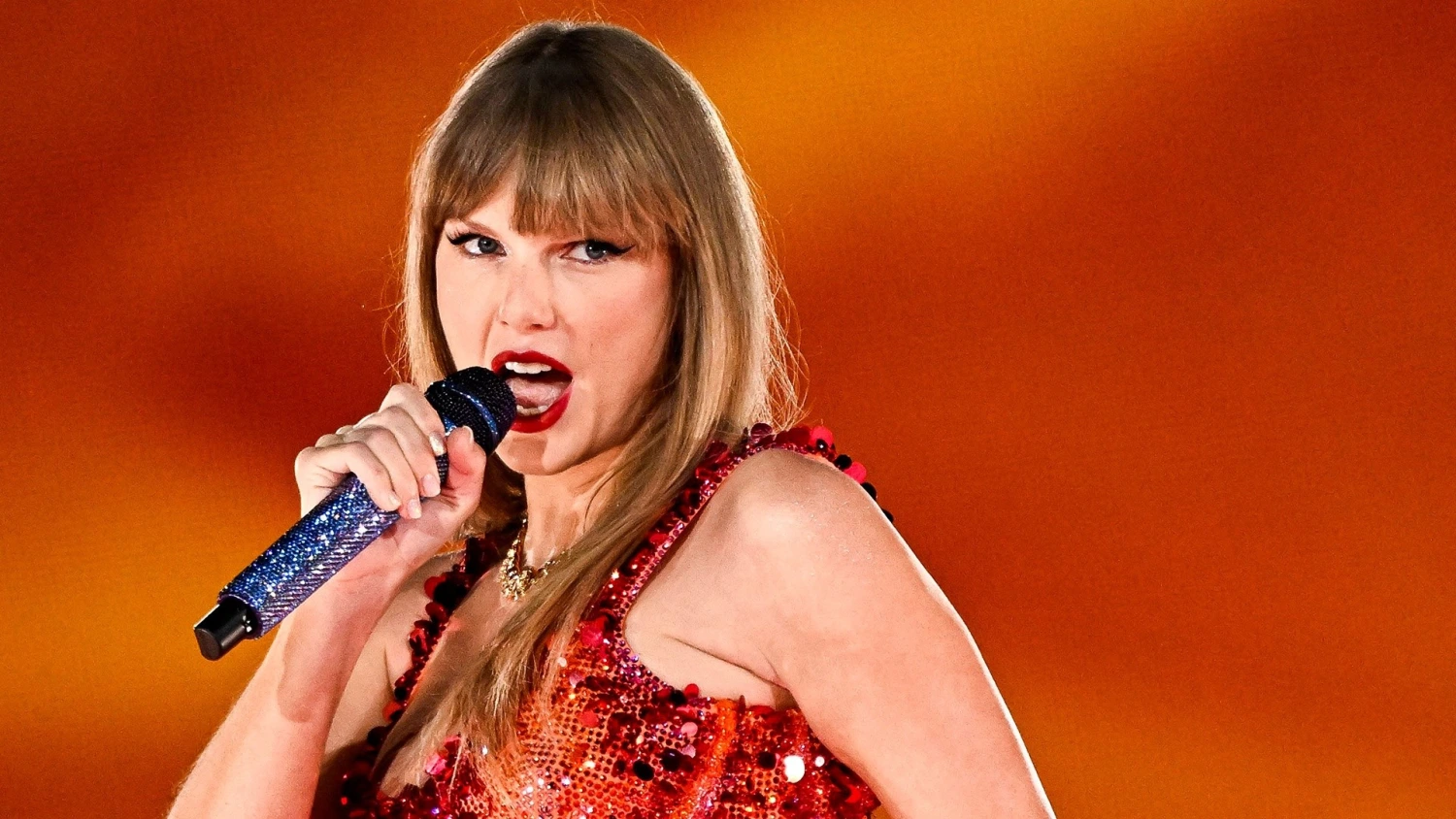
Austrian authorities told a court in Wiener Neustadt they stopped an attack aimed at a Taylor Swift concert in Vienna days before execution. A 21 year old suspect admitted involvement in court. The case raised concern about online radicalisation and event security.
Beran A told the court he helped prepare a jihadist inspired attack targeting a Taylor Swift concert set for August 2024. He admitted membership in a terrorist organisation. However, he denied other charges, including claims linked to separate discussions involving Mecca in Saudi Arabia.
Prosecutors said police found an almost completed explosive device during a search of his home. They described it as a shrapnel bomb linked to Islamic State methods. Investigators said planning began no later than July 2024. Police arrested Beran A on 7 August, one day before the concert.
The trial continues under tight security in Wiener Neustadt near Vienna. It also includes another 21 year old defendant, Arda K. Prosecutors say he belonged to the same suspected network linked to Islamic State. Authorities allege both men discussed attacks in Austria, Istanbul, and Dubai. Both deny parts of these claims.
Authorities said CIA intelligence helped stop the operation. Austrian police acted after receiving the information. They secured the stadium area before concerts began. Taylor Swift had three sold out shows at Ernst Happel Stadium. The cancellations affected about 195,000 ticket holders.
Inside court, prosecutors said Beran A accessed online material linked to explosives training. They also said he tried to obtain weapons illegally, including firearms and a grenade. In addition, he allegedly shared Islamic State propaganda online and searched for bomb making instructions through internet channels.
His lawyer, Anna Mair, acknowledged the seriousness of the allegations. However, she urged the court to consider the wider context. She said her client caused fear among many people, but asked judges to focus on evidence.
The case drew wide attention because of Taylor Swift’s popularity. Her Eras Tour attracted large audiences worldwide and became one of the highest earning music tours in history. Swift later said she learned about the threat while travelling to Austria.
After cancellation, she released a statement saying she felt relief that no one suffered harm. She called the Vienna shows painful to cancel. Even so, she thanked authorities for acting quickly and preventing possible danger.
Prosecutors also revealed a teenager in Germany received a suspended sentence. He translated bomb making instructions and connected the main suspect with an alleged Islamic State member. The trial continues until late May. Both defendants face up to 20 years in prison if convicted.
Authorities say quick action prevented a major tragedy at one of Europe’s largest concert venues. The Vienna case also shows how online networks can support violent activity and how security agencies respond to threats involving high profile performers such as Taylor Swift.
