

Apple Agrees to Pay Up to 95 Dollars in AI Lawsuit Settlement Over iPhone Claims
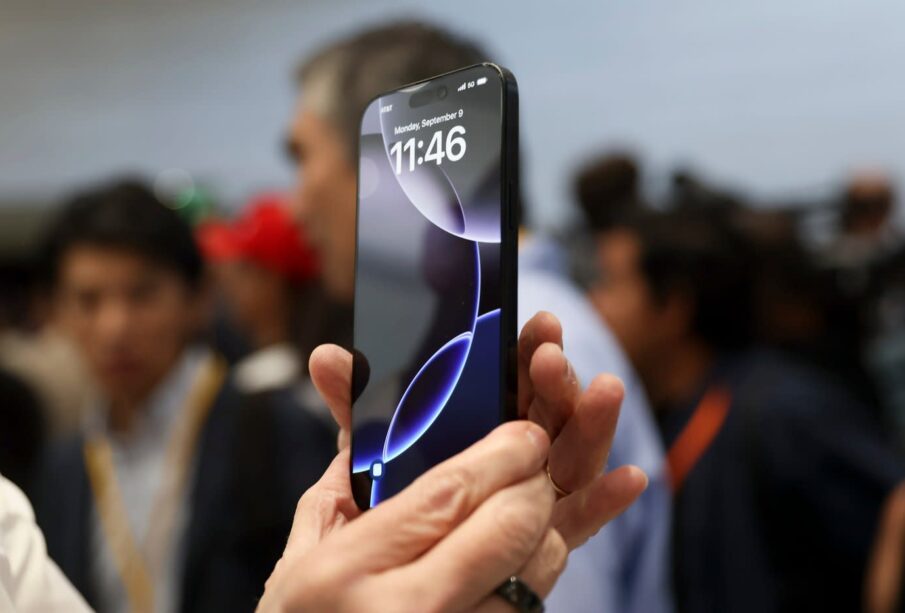
Apple has agreed to pay a settlement that could see some iPhone users in the United States receive up to 95 dollars each. The case centers on claims that the company misled customers about artificial intelligence features linked to its Apple Intelligence rollout.
The settlement totals 250 million dollars and resolves a class action lawsuit filed by US consumers. The lawsuit accused Apple of promoting AI tools that were either unavailable or not fully functional at the time of marketing. Apple does not admit any wrongdoing in the agreement.
Instead, the company chose to settle the case and move forward. A spokesperson said Apple wanted to avoid long court proceedings and remain focused on product development and customer service.
Settlement Details for iPhone Buyers
The settlement applies to customers who purchased an iPhone 15 or iPhone 16 in the United States. Eligible purchases must fall between June 2024 and March 2025. These users can submit claims to receive payments.
Approved claimants will receive between 25 dollars and 95 dollars. The exact amount depends on how many people file claims and how the settlement process distributes the funds. Some users may receive more or less within that range.
Lawyers who filed the case grouped the complaints into a class action. They argued that Apple presented strong AI improvements during its product marketing. They said the company suggested that users would experience advanced artificial intelligence features on release.
However, the complaint stated that some of these features did not exist at launch. It also said that Apple delayed or limited parts of the AI tools that it advertised.
Claims About Apple Intelligence Marketing
The lawsuit focused on Apple Intelligence, the company’s artificial intelligence system designed for newer iPhones. Marketing materials promoted upgraded features for Siri and other tools. These promotions suggested a major improvement in how users interact with their devices.
According to the court filing, Apple highlighted a more advanced version of Siri. It described the assistant as more conversational and more capable of handling complex tasks. Plaintiffs said users expected these upgrades to be available immediately with the iPhone 16 release.
Instead, they argued that the full experience did not match the marketing at the time of launch. As a result, they claimed Apple created a gap between expectations and delivery.
Apple responded by stating that the case focused on a small number of features within the broader Apple Intelligence package. The company maintained that it acted within normal product development timelines.
Legal Response and Industry Context
The case also referenced competition in the artificial intelligence industry. Companies such as OpenAI and Anthropic continue to develop advanced generative AI systems. This growth has encouraged technology firms to promote stronger AI capabilities in their products.
The plaintiffs argued that this environment influenced how Apple marketed its devices. They said the company emphasized AI progress to attract buyers during product launches.
Despite these claims, Apple maintained its position. It stated that it aimed to communicate product features clearly. It also said that it would continue improving its AI tools across future updates.
What Happens Next for Users
Eligible users in the United States can now prepare to submit claims under the settlement terms. The process will determine how payments are distributed among approved applicants.
While the payout may be modest for individual users, the case highlights increased attention on how technology companies present new features. It also shows how advertising claims tied to artificial intelligence can lead to legal scrutiny when users feel expectations are not met.
Apple continues to expand its AI capabilities across its devices. At the same time, the company now operates under closer review of how it communicates product features to consumers.



Leave a reply


 #mirandapriestly #thedevilwearsprada2 #merylstreep #annehathaway #emilyblunt00:19
 #OzzyOsbourne and #SharonOsbourne on The Ellen DeGeneres Show #theprimemag01:00
 Remember when #LeBron James faked out the entire team like they were standing still #lebronjames00:10
 That didn’t take long #nba #nbabasketball #basketball #shaq #theprimemag00:30
 It seems that Mr. Bridgerton is not the only one swept up in a romance#bridgerton #bridgertonseason400:23
 Mr and Mrs Bridgerton #bridgerton #penelope #theprimemag00:07
 That classic sibling energy where "I’m sorry" actually means "I’m going to do it again #zendaya00:19
 The groom is here #robertpattinson #thedrama #edwardcullen #moviepremiere #funnymoment00:36
 #rihanna and #asaprocky looking great in #paris #theprimemag00:20
 #ElizabethOlsen and #AnthonyMackie on the red carpet00:09
 #SelenaGomez stepped out for the Rare Beauty Matte Foundation launch on Thursday00:17
 #cardib performance yesterday in #vegas #Valentines2026 #lustremagazine00:11
 #CardiB #WholesomeChaos #ProtectTheCrow #FunnyMoment #CelebrityMoments00:07
 They never told you about this Golden Globes gaffe with #JenniferLopez and #JeremyRenner00:11
 #bridgerton #netflix #trending #viral #misspossy #bridgertonseason401:17
 He definitely got it🤩🔥#onechallenge #thewoahchallenge #tiktok #dancetrends #hiphop #dancers00:18
 Oh No! 😂 #funny #relatable #trending #memes00:08
 #LeBron has made a major impact off the court his commitment to education and his community01:01
 😂😂 #memes #baby #fun #funny #trending00:08
 The only time #Shaq really went one-on-one with #LeBron #shaquilleoneal #lebronjames00:29
 Shaq did this on live tv… 😂 #shaq #insidethenba #charlesbarkley #shaquilleoneal #nba00:17
 You just know Kendrick’s heart dropped before he laughed 😭 #shaq #ShaquilleO’Neal00:10
 #nickiminaj or #cardib . That’s a tough one for #50cent 😂00:13
 #sofiavergara in #ModernFamily: #Sofía #Sitcom #FamilyComedy #funny #TVSeries01:00
 #SofíaVergara when asked about arrest on #TheEllenDeGeneresShow 😂00:20


Welcome to The Prime.ng, a modern Nigerian entertainment and lifestyle publication spotlighting culture, creativity, experiences, and the conversations shaping today’s generation.


