

CNN founder, Ted Turner Dies at 87
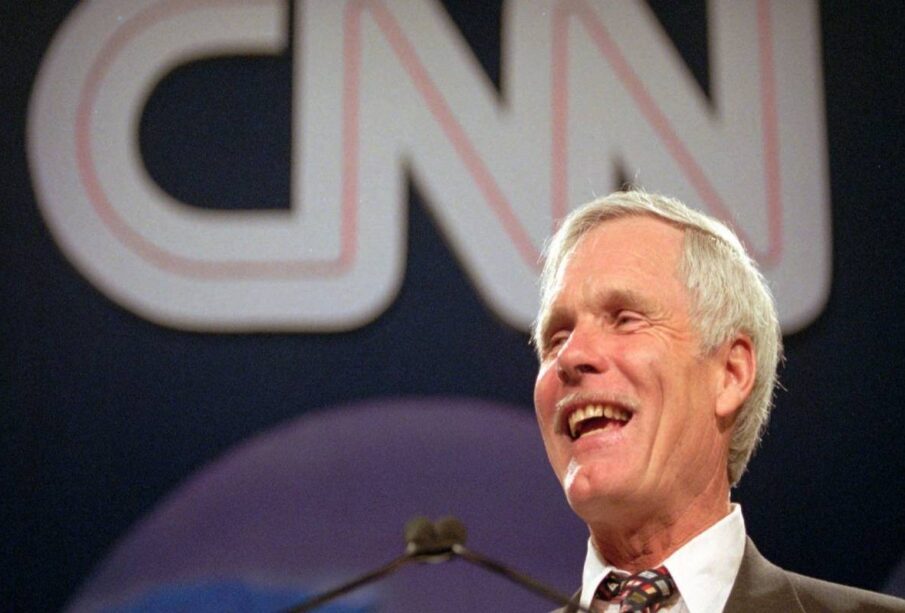
Ted Turner, media businessman and founder of CNN, has died at the age of 87. CNN confirmed his death. He launched the network in 1980 as the first twenty-four-hour television news channel. He changed how audiences followed news by promoting continuous live reporting. His work pushed for faster access to breaking events and made rolling news common in broadcasting.
Tributes followed the announcement. US President Donald Trump called him one of the greats in broadcast history. CNN chairman Mark Thompson praised his leadership and long-term influence on the network and media industry. He remained widely recognised as a pioneer in modern television news.
CNN Changed Modern News Reporting
CNN launched with doubts from critics who believed nonstop news would fail. However, it quickly proved its value through major event coverage. The network reported the attempted assassination of President Ronald Reagan in 1981 with live updates.
It also covered the Challenger space shuttle disaster in 1986 in real time. Later, CNN became a major source during the Gulf War in the early 1990s, with live reports from Iraq. These broadcasts built its reputation as a trusted news organisation.
Former staff described Turner as bold and energetic. Mary Alice Williams, a founding member, said he believed television could connect people and support understanding during difficult moments. His ideas encouraged faster reporting and direct event coverage. His approach helped redefine live news delivery standards.
Tributes and Expansion of a Media Empire
After his death, tributes came from journalists and public figures. Christiane Amanpour said Turner led a media revolution that changed broadcasting. Piers Morgan described him as an extraordinary figure whose influence reached broadcasting, sports, and charity work. His influence extended across decades of broadcasting development.
Turner expanded beyond CNN by building Turner Broadcasting System. It included TBS, TNT, Cartoon Network, and Turner Classic Movies. These channels broadened cable television choices and influenced programming styles.
He began his career by taking over his family billboard company after his father died. He later bought a radio station in Atlanta, which helped grow his business. His bold choices and unusual style made him a standout figure in entertainment.
Sports and Philanthropy Work
Turner found success outside media as well. He won the America’s Cup yacht race in 1977, showing his passion for sailing. He owned sports teams including the Atlanta Braves baseball team and the Atlanta Hawks basketball team.
These roles made him well known in American sports. He also supported many philanthropic causes. He gave large donations to humanitarian and environmental projects. One major contribution included a $1 billion donation to the United Nations.
He supported clean energy projects and programs that encouraged cooperation through charity work. He also supported environmental awareness initiatives through donations. His efforts brought him recognition beyond broadcasting and business.
Health and Legacy
In 2018, Turner revealed he had Lewy body dementia, a progressive neurological condition. He faced health challenges in later years but remained respected for his work in television journalism. His approach changed how audiences received news and encouraged live reporting across broadcasters.
Ted Turner leaves a legacy built on bold decisions, innovation, and long term impact on media, sports, and philanthropy. His influence continues to guide television news practices today.

Leave a reply


 #mirandapriestly #thedevilwearsprada2 #merylstreep #annehathaway #emilyblunt00:19
 #OzzyOsbourne and #SharonOsbourne on The Ellen DeGeneres Show #theprimemag01:00
 Remember when #LeBron James faked out the entire team like they were standing still #lebronjames00:10
 That didn’t take long #nba #nbabasketball #basketball #shaq #theprimemag00:30
 It seems that Mr. Bridgerton is not the only one swept up in a romance#bridgerton #bridgertonseason400:23
 Mr and Mrs Bridgerton #bridgerton #penelope #theprimemag00:07
 That classic sibling energy where "I’m sorry" actually means "I’m going to do it again #zendaya00:19
 The groom is here #robertpattinson #thedrama #edwardcullen #moviepremiere #funnymoment00:36
 #rihanna and #asaprocky looking great in #paris #theprimemag00:20
 #ElizabethOlsen and #AnthonyMackie on the red carpet00:09
 #SelenaGomez stepped out for the Rare Beauty Matte Foundation launch on Thursday00:17
 #cardib performance yesterday in #vegas #Valentines2026 #lustremagazine00:11
 #CardiB #WholesomeChaos #ProtectTheCrow #FunnyMoment #CelebrityMoments00:07
 They never told you about this Golden Globes gaffe with #JenniferLopez and #JeremyRenner00:11
 #bridgerton #netflix #trending #viral #misspossy #bridgertonseason401:17
 He definitely got it🤩🔥#onechallenge #thewoahchallenge #tiktok #dancetrends #hiphop #dancers00:18
 Oh No! 😂 #funny #relatable #trending #memes00:08
 #LeBron has made a major impact off the court his commitment to education and his community01:01
 😂😂 #memes #baby #fun #funny #trending00:08
 The only time #Shaq really went one-on-one with #LeBron #shaquilleoneal #lebronjames00:29
 Shaq did this on live tv… 😂 #shaq #insidethenba #charlesbarkley #shaquilleoneal #nba00:17
 You just know Kendrick’s heart dropped before he laughed 😭 #shaq #ShaquilleO’Neal00:10
 #nickiminaj or #cardib . That’s a tough one for #50cent 😂00:13
 #sofiavergara in #ModernFamily: #Sofía #Sitcom #FamilyComedy #funny #TVSeries01:00
 #SofíaVergara when asked about arrest on #TheEllenDeGeneresShow 😂00:20


Welcome to The Prime.ng, a modern Nigerian entertainment and lifestyle publication spotlighting culture, creativity, experiences, and the conversations shaping today’s generation.


