




In recent years, conversations around infectious diseases have become more common, especially after outbreaks that captured global attention. While many people recognize viruses like influenza or COVID-19, fewer understand hantavirus, a rare but serious illness linked mainly to rodents.
Yet interest in the disease continues to grow whenever isolated cases appear in the news or when discussions about public health and wildlife exposure resurface.
At the same time, online culture often shifts quickly between global health concerns and entertainment stories like celebrity weddings, making it easy for lesser-known diseases to fade into the background until another case emerges. Understanding hantavirus before it becomes a headline matters because awareness can significantly reduce the risk of infection.
Hantavirus is not a newly discovered disease. Scientists have studied it for decades, and while cases remain relatively uncommon, the illness can be severe and sometimes fatal.
What makes hantavirus especially concerning is how quietly exposure can happen. A person may simply clean an old storage room, sweep a dusty cabin, or come into contact with rodent droppings without realizing the danger.
Learning how hantavirus spreads, where it is commonly found, and how people can protect themselves is essential for anyone who spends time in rural areas, farms, cabins, warehouses, campsites, or poorly ventilated spaces. The more people understand the virus, the easier it becomes to prevent avoidable infections.
What Is Hantavirus?
Hantavirus refers to a group of viruses primarily carried by rodents. Different strains exist across the world, and they can cause different illnesses depending on the region.
In the Americas, hantaviruses are mostly associated with Hantavirus Pulmonary Syndrome (HPS), a severe respiratory disease. In parts of Europe and Asia, they are more commonly linked to Hemorrhagic Fever with Renal Syndrome (HFRS), which affects the kidneys.
The disease first gained major international attention in 1993 after an outbreak in the Four Corners region of the United States, where Arizona, New Mexico, Colorado, and Utah meet. Investigators traced the infections to deer mice carrying the virus. Since then, health agencies have continued monitoring cases worldwide.
According to the U.S. Centers for Disease Control and Prevention, hantavirus pulmonary syndrome has a mortality rate of around 38 percent. That high fatality rate is one reason health experts take even isolated cases seriously.
Unlike highly contagious viruses that spread rapidly from person to person, hantavirus behaves differently. Most infections occur through environmental exposure involving rodents and their waste.
How Hantavirus Spreads
Understanding transmission is the most important part of preventing infection. Hantavirus spreads mainly through infected rodents, particularly when people inhale tiny virus particles released into the air.
1. Airborne Exposure From Rodent Waste
The most common method of transmission happens when rodent urine, droppings, or saliva dry out and become disturbed. Sweeping or vacuuming contaminated areas can release microscopic particles into the air, where they may be inhaled.
This often occurs in places such as:
- Abandoned buildings
- Cabins closed for long periods
- Garages
- Sheds
- Barns
- Storage rooms
- Campgrounds
- Attics
For example, someone opening a vacation cabin after several months may unknowingly stir up contaminated dust while cleaning.
2. Direct Contact With Rodents
People may also become infected after touching rodents or contaminated surfaces and then touching their mouth, nose, or eyes. Rodent bites can potentially transmit the virus as well, though this is less common.
3. Food Contamination
Food stored improperly can become contaminated by infected rodents. Eating food exposed to rodent urine or droppings may increase infection risk, especially in areas with poor sanitation.
4. Rare Person-to-Person Transmission
Most hantavirus strains do not spread between humans. However, a rare strain in South America known as the Andes virus has shown limited person-to-person transmission in some documented cases.
For the majority of hantavirus infections globally, rodents remain the primary source.
Which Rodents Carry Hantavirus?
Different rodent species carry different strains of hantavirus. Importantly, infected rodents often appear healthy, making it impossible to identify infected animals by sight alone. Some common carriers include:
1. Deer Mice: The deer mouse is the primary carrier of hantavirus in North America, particularly the Sin Nombre virus, which is responsible for many cases of Hantavirus Pulmonary Syndrome. These small rodents are commonly found in forests, rural homes, barns, sheds, garages, and campsites. They are recognized by their brown bodies and white underbellies.
Deer mice are highly adaptable and often enter homes or storage spaces in search of food and shelter, especially during colder months. Their nesting habits increase the risk of contamination in places that are rarely cleaned or opened. People may unknowingly inhale contaminated dust while sweeping cabins, attics, or abandoned buildings where these rodents have been active.
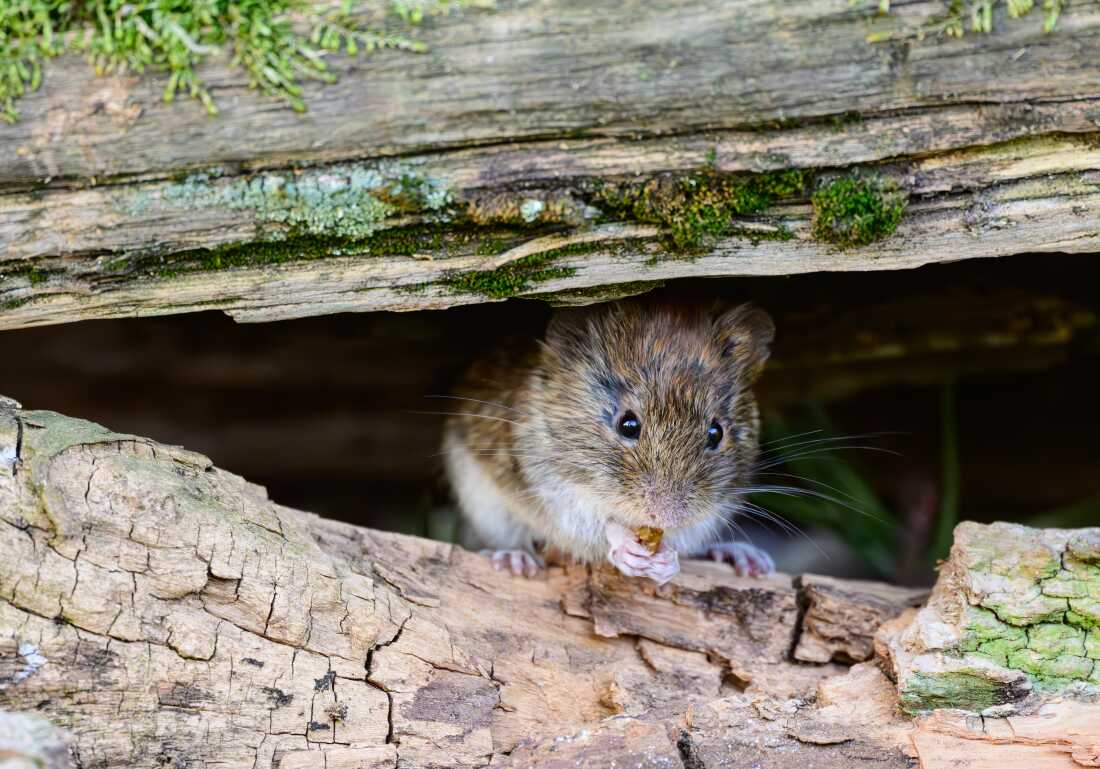
2. Cotton Rats: Cotton rats are mainly found in the southeastern United States and parts of Central and South America. They are known carriers of certain hantavirus strains, including the Black Creek Canal virus. These rodents prefer grassy fields, overgrown vegetation, and agricultural areas.
Unlike deer mice, cotton rats are slightly larger and more aggressive in behavior. They often live close to farmlands and areas with thick ground cover, increasing exposure risks for farmers, outdoor workers, and people living in rural communities. Their ability to reproduce quickly also contributes to growing rodent populations in affected regions.
3. Rice Rats: Rice rats are commonly linked to hantavirus cases in coastal areas, wetlands, and marshy environments. They are associated with the Bayou virus in parts of the southern United States. These rodents thrive in humid regions and are often found near water sources, including swamps and rice fields.
Because rice rats are excellent swimmers and climbers, they can enter homes, storage units, and outdoor shelters with ease. People who work in fishing communities, agricultural zones, or flood prone areas may face higher risks of exposure. Heavy rainfall and flooding can also drive these rodents closer to human settlements.
White-Footed Mice: White-footed mice are widespread across wooded and suburban areas in North America. These rodents may carry hantaviruses and are often found in woodpiles, garages, basements, and cabins. Their small size allows them to squeeze through tiny openings, making it easy for them to enter homes and storage spaces.
These mice are especially active at night and tend to nest in quiet, undisturbed locations. While they are commonly associated with spreading Lyme disease through ticks, they can also contribute to hantavirus transmission in areas with high rodent activity. People cleaning old storage spaces or handling firewood may unknowingly come into contact with contaminated droppings.
Symptoms of Hantavirus Infection
One reason hantavirus can be dangerous is that early symptoms often resemble common viral illnesses. People may initially think they have the flu. Symptoms typically appear one to eight weeks after exposure.
Early Symptoms
The first stage usually includes:
- Fever
- Muscle aches
- Fatigue
- Chills
- Headaches
- Nausea
- Vomiting
- Abdominal pain
Severe Respiratory Symptoms
As the illness progresses, fluid can build up in the lungs, causing serious breathing problems. Patients may experience:
- Shortness of breath
- Persistent coughing
- Chest tightness
- Rapid heartbeat
- Low blood pressure
At this stage, hospitalization becomes critical. Severe hantavirus pulmonary syndrome can progress rapidly within hours.
Why Hantavirus Is Difficult to Diagnose
Diagnosing hantavirus early can be challenging because its symptoms overlap with many other illnesses, including influenza, pneumonia, and COVID-19. Doctors often consider factors such as:
- Recent rodent exposure
- Travel history
- Environmental conditions
- Outdoor activities
- Occupational risks
Since hantavirus cases remain relatively rare, awareness among healthcare providers and patients plays a major role in timely diagnosis.
Where Hantavirus Is Most Common
Hantavirus exists in many regions across the world, though infection patterns differ geographically.
1. North America
Most U.S. hantavirus cases occur west of the Mississippi River, particularly in rural and semi rural areas. States such as New Mexico, Colorado, Arizona, and California have recorded some of the highest numbers of infections.
Canada has also reported cases, mainly in western provinces where deer mice are common carriers of the virus. Activities such as camping, farming, and cleaning poorly ventilated buildings can increase the risk of exposure.
2. South America
Countries including Argentina and Chile have documented hantavirus infections, especially involving the Andes virus strain. The Andes virus is unique because limited person to person transmission has been documented in rare cases, usually among close contacts.
Rural communities and agricultural workers are often at greater risk because of increased exposure to rodents and their droppings. Health authorities in the region continue to closely monitor outbreaks due to the severity of the disease.
3. Europe and Asia
In Europe and parts of Asia, hantaviruses are more likely to cause kidney-related illness rather than severe lung disease. China reports one of the highest numbers of hantavirus cases globally, though widespread vaccination programs for certain strains have helped reduce infections in some regions.
How to Prevent Hantavirus
There is currently no widely available cure or specific antiviral treatment for hantavirus pulmonary syndrome, making prevention extremely important.
1. Control Rodent Access: Sealing holes, cracks, and gaps around homes helps prevent rodents from entering buildings. Steel wool, metal flashing, and cement are often effective because rodents cannot easily chew through them.
2. Store Food Properly: Food should be kept in sealed containers, especially in cabins, campsites, or storage areas. Pet food left uncovered overnight can also attract rodents.
3. Clean Safely: This is one of the most critical prevention measures. People should never sweep or vacuum rodent droppings directly because doing so can spread virus particles into the air.
Instead:
- Ventilate the area for at least 30 minutes.
- Wear gloves and a mask.
- Spray contaminated surfaces with disinfectant or bleach solution.
- Wipe with paper towels rather than sweeping.
- Dispose of waste safely.
These simple steps greatly reduce airborne exposure.
4. Reduce Outdoor Exposure: Campers should avoid sleeping directly on bare ground or near rodent burrows. Tents and food storage areas should remain clean and secure.
5. Treatment Options for Hantavirus: There is no specific antiviral medication approved for hantavirus pulmonary syndrome. Treatment mainly focuses on supportive medical care.
Patients with severe illness often require:
- Oxygen therapy
- Intensive care monitoring
- Mechanical ventilation
- Fluid management
Early medical attention improves survival chances significantly. Patients treated during the early stages of respiratory distress generally have better outcomes than those diagnosed late.
Why Public Awareness Matters
Many infectious diseases become dangerous partly because people do not recognize risks early enough. Hantavirus is a strong example of that problem.
Someone cleaning a neglected room may never suspect they are exposing themselves to a potentially deadly virus. Public education helps people understand safer cleaning methods, proper food storage, and rodent prevention strategies.
Awareness also reduces panic. Because hantavirus is uncommon, isolated cases sometimes generate alarm online. Understanding how the disease actually spreads helps separate genuine risk from exaggerated fear.
Even in a digital age dominated by trending topics, entertainment news, and celebrity weddings, public health education remains essential. Diseases that seem distant or rare can still affect ordinary people through everyday activities.
Conclusion
Hantavirus is a serious rodent-borne disease that deserves greater public understanding. Although infections are relatively uncommon, the illness can become life-threatening very quickly, particularly when respiratory symptoms develop.
The virus spreads mainly through exposure to infected rodent urine, saliva, and droppings, especially in enclosed or poorly ventilated areas. Activities like cleaning old cabins, working in storage spaces, camping, or handling contaminated materials can increase risk.
Fortunately, prevention is highly effective when people understand the dangers. Safe cleaning practices, rodent control, food protection, and environmental awareness can dramatically reduce exposure.
As global conversations continue shifting between health concerns, viral trends, and celebrity weddings, it is easy for lesser-known diseases to receive little attention until outbreaks occur. Yet informed awareness remains one of the strongest tools for protecting communities from avoidable illness.
Understanding hantavirus is not about fear. It is about knowing how the disease works, recognizing risks early, and taking practical steps to stay safe in everyday environments.
