

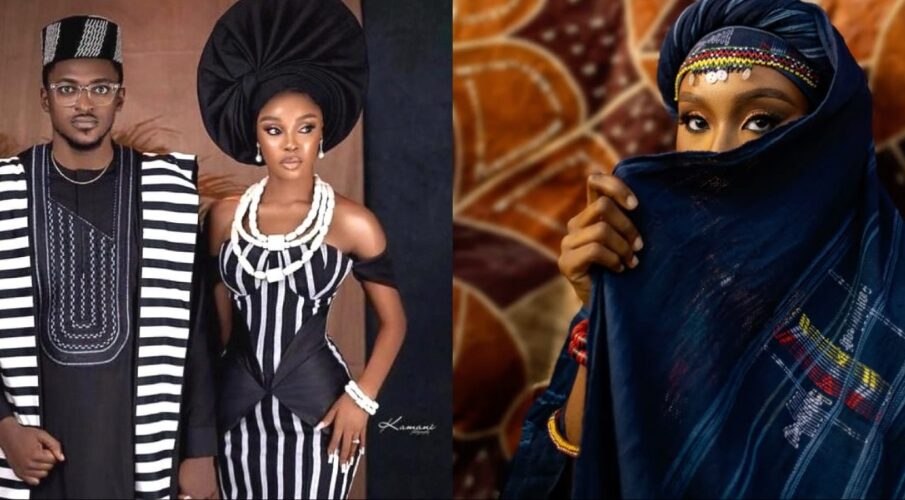
Northern Nigerian Fashion is more than clothing; it is a living archive of history, identity, belief systems, and social structure. In Northern Nigeria, what people wear is deeply connected to who they are, where they come from, and the values they uphold.
From the flowing babban riga worn by men to the elegantly draped veils and embroidered gowns worn by women, fashion in this region carries centuries of cultural memory.
In a world where global fashion trends are rapidly influencing local dressing styles, Northern Nigerian Fashion continues to stand as a powerful symbol of cultural preservation. It reflects heritage not only through fabric and design but also through meaning, craftsmanship, and tradition passed down through generations.
This article explores how fashion in Northern Nigeria serves as a cultural anchor, a historical record, and a bridge between the past and present.
The Historical Foundations of Northern Nigerian Fashion
To understand Northern Nigerian Fashion today, it is important to look at its historical roots. The region has been shaped by centuries of trade, Islamic influence, indigenous traditions, and interactions with North African and Sahelian cultures.
1. Influence of Trade and the Trans-Saharan Routes
Northern Nigeria was historically part of the Trans-Saharan trade network, connecting West Africa with North Africa and the Middle East. This exchange brought not only goods but also fabrics, dyes, and tailoring techniques. Materials like silk, cotton, and embroidered textiles became symbols of status and refinement.
As a result, traditional attire began to reflect both local identity and external influence, blending Hausa, Fulani, Kanuri, and Islamic aesthetics into what we now recognize as Northern Nigerian Fashion.
2. Islamic Influence and Modesty in Dress
Islam has had a profound impact on dressing styles in Northern Nigeria. Modesty became an essential principle guiding clothing choices. Loose-fitting garments that cover the body without revealing its shape became the norm, especially among both men and women.
This influence is visible in garments like the babban riga, flowing robes, long kaftans, and veils. These styles are not only religious expressions but also cultural identifiers that have endured for centuries.
Core Elements of Northern Nigerian Fashion
Northern Nigerian Fashion is defined by specific garments, textiles, and craftsmanship techniques that carry symbolic meaning. Each item tells a story.
1. The Babban Riga: A Symbol of Prestige
The babban riga is one of the most iconic garments in Northern Nigeria. Worn by men, it is a large, flowing robe often paired with embroidered caps such as the hula or fula cap. It is commonly worn during ceremonies, Friday prayers, and formal gatherings.
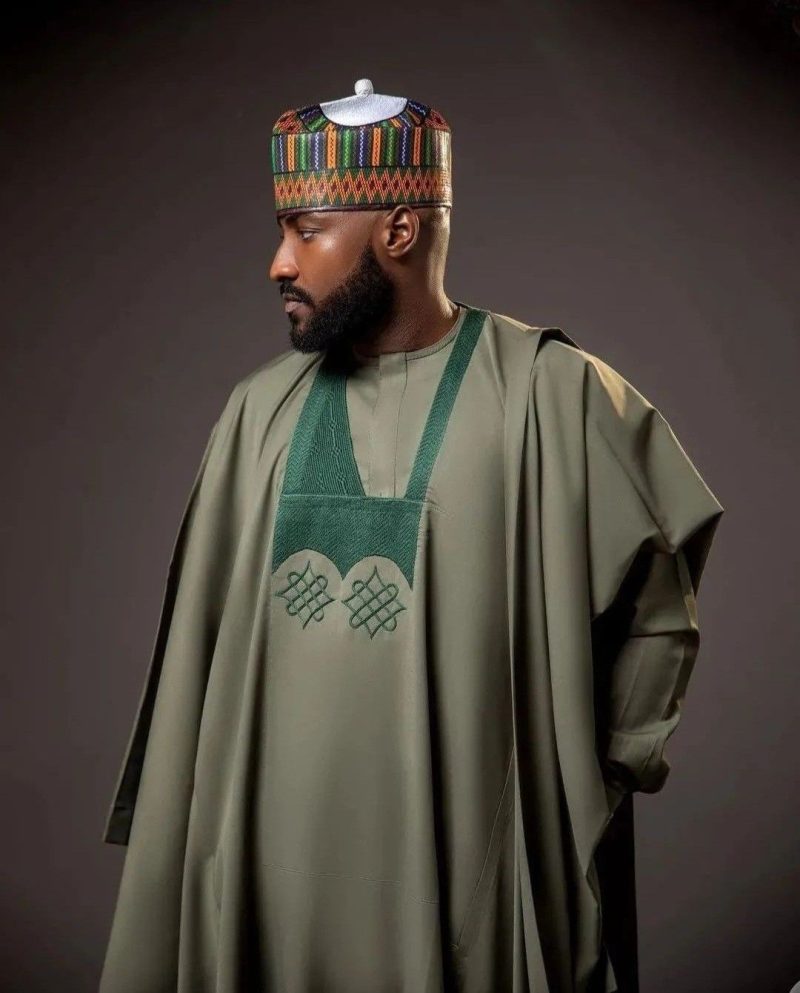
The embroidery on the chest and sleeves is not just decorative—it often signifies social status, regional identity, or craftsmanship lineage. A finely made babban riga can take days or even weeks to complete, depending on the complexity of the design.
2. Kaftans and Modern Adaptations
Kaftans are another major component of Northern Nigerian Fashion. While originally influenced by broader Islamic and Middle Eastern styles, Nigerian kaftans have evolved into unique designs with local tailoring techniques and fabrics.
Modern versions are often worn by younger generations who blend tradition with contemporary cuts, creating a balance between cultural pride and modern expression.
3. Women’s Attire: Elegance and Cultural Expression
Women’s fashion in Northern Nigeria is equally rich and symbolic. Common attire includes:
- Long flowing gowns (abaya-inspired styles)
- Wrapper skirts paired with blouses
- Matching head coverings or scarves
- Intricate embroidery and beadwork
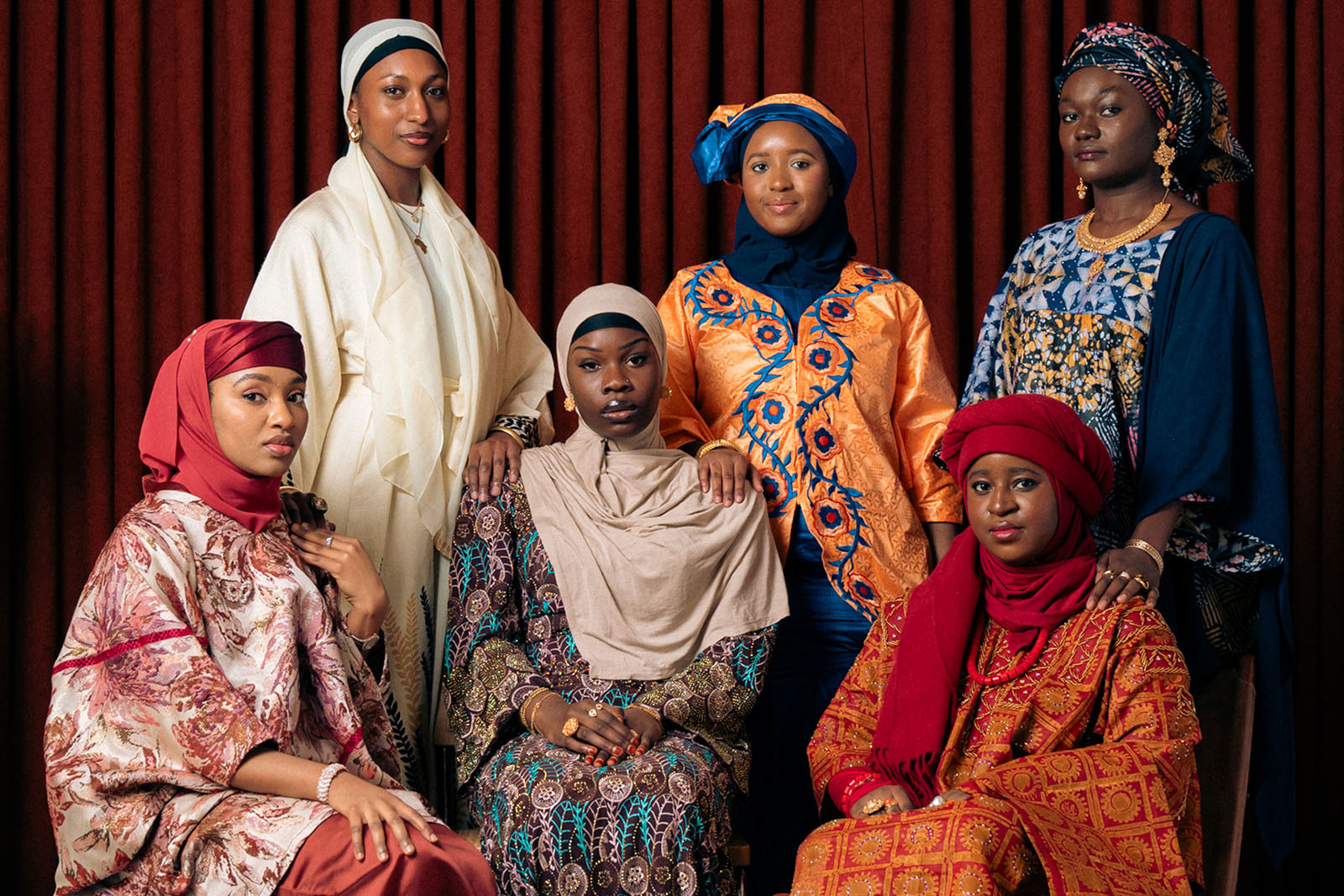
These outfits emphasize modesty while still allowing room for creativity and beauty. On special occasions, women may also use decorative henna designs, adding another layer of cultural artistry to their appearance.
The Role of Fashion in Ceremonies and Cultural Events
Northern Nigerian Fashion is most vividly displayed during cultural and religious ceremonies.
1. Weddings: A Showcase of Heritage
Weddings in Northern Nigeria are not just unions of individuals—they are cultural exhibitions. Families often dress in coordinated outfits that reflect their heritage and status. The bride’s attire is typically richly decorated, symbolizing beauty, dignity, and tradition.
Men often wear embroidered babban riga outfits, while women wear elaborately styled gowns and matching accessories. These events serve as a living runway for cultural expression.
2. Religious Celebrations
During Eid celebrations (Eid al-Fitr and Eid al-Adha), Northern Nigerian Fashion becomes especially prominent. Communities gather in their finest traditional attire, reflecting unity, gratitude, and religious devotion. Clothing during these events is often newly tailored, symbolizing renewal and celebration.
Craftsmanship and the Preservation of Skills
Behind every traditional outfit is a network of skilled artisans whose work preserves cultural heritage.
1. Tailoring as a Heritage Skill
Tailoring in Northern Nigeria is often a family trade passed from generation to generation. Apprentices learn not only how to sew but also how to understand patterns, symbolism, and cultural expectations.
Embroidery, in particular, is a highly respected craft. The detailed stitching found on traditional garments requires patience, precision, and artistic understanding.
2. Textile Production and Local Markets
Local textile markets remain central to the fashion ecosystem. Fabrics are often sourced from regional markets where artisans sell hand-dyed and woven materials. These markets support local economies while ensuring traditional methods remain alive.
Modern Evolution of Northern Nigerian Fashion
While deeply rooted in tradition, Northern Nigerian Fashion is not static. It continues to evolve in response to globalization, technology, and youth culture.
1. Influence of Contemporary Designers
Modern designers are blending traditional styles with global fashion trends. They are introducing slimmer cuts, lighter fabrics, and innovative designs while maintaining cultural authenticity.
This fusion has made Northern Nigerian Fashion more visible on international platforms, including fashion shows and digital media.
2. Social Media and Fashion Visibility
Platforms like Instagram and TikTok have transformed how fashion is shared and consumed. Young designers and influencers now showcase traditional outfits to global audiences, increasing appreciation for Northern Nigerian aesthetics.
This digital exposure has helped reposition traditional attire as fashionable, relevant, and aspirational.
Challenges Facing Traditional Fashion Preservation
Despite its strength, Northern Nigerian Fashion faces several challenges.
1. Westernization and Changing Preferences: Younger generations are increasingly influenced by Western clothing styles. While this is part of cultural evolution, it sometimes leads to reduced appreciation for traditional attire in everyday life.
2. Fast Fashion and Mass Production: Cheap, mass-produced clothing has made it easier for people to abandon handmade garments. This threatens the survival of artisanal tailoring and traditional craftsmanship.
3. Loss of Skilled Artisans: As older artisans retire, fewer young people are entering traditional tailoring and embroidery professions. Without proper support, some skills risk disappearing over time.
The Future of Northern Nigerian Fashion
The future of Northern Nigerian Fashion depends on how well it adapts while preserving its roots.
1. Cultural Education and Awareness
Schools, cultural institutions, and community leaders can play a role in teaching younger generations about the value of traditional attire. Understanding the meaning behind clothing helps preserve cultural identity.
2. Innovation Without Losing Tradition
The most sustainable future lies in balance—where designers innovate while respecting heritage. This ensures that fashion remains both modern and meaningful.
3. Global Recognition
As African fashion gains global recognition, Northern Nigerian styles have an opportunity to take a stronger place on the world stage. With the right support, they can become symbols of both cultural pride and creative excellence.
Conclusion
Northern Nigerian Fashion is far more than fabric and style—it is a cultural language, a historical record, and a symbol of identity that has survived centuries of change. Through garments like the babban riga, carefully embroidered kaftans, and elegant women’s attire, communities continue to express who they are and where they come from.
Even as modern influences reshape global fashion, Northern Nigerian Fashion remains deeply rooted in tradition while continuing to evolve. Its strength lies in its ability to connect the past with the present, ensuring that cultural identity is not lost but continuously redefined.
In preserving these styles, Northern Nigeria preserves its history, its artistry, and its voice in the world of fashion.


Leave a reply


 #mirandapriestly #thedevilwearsprada2 #merylstreep #annehathaway #emilyblunt00:19
 #OzzyOsbourne and #SharonOsbourne on The Ellen DeGeneres Show #theprimemag01:00
 Remember when #LeBron James faked out the entire team like they were standing still #lebronjames00:10
 That didn’t take long #nba #nbabasketball #basketball #shaq #theprimemag00:30
 It seems that Mr. Bridgerton is not the only one swept up in a romance#bridgerton #bridgertonseason400:23
 Mr and Mrs Bridgerton #bridgerton #penelope #theprimemag00:07
 That classic sibling energy where "I’m sorry" actually means "I’m going to do it again #zendaya00:19
 The groom is here #robertpattinson #thedrama #edwardcullen #moviepremiere #funnymoment00:36
 #rihanna and #asaprocky looking great in #paris #theprimemag00:20
 #ElizabethOlsen and #AnthonyMackie on the red carpet00:09
 #SelenaGomez stepped out for the Rare Beauty Matte Foundation launch on Thursday00:17
 #cardib performance yesterday in #vegas #Valentines2026 #lustremagazine00:11
 #CardiB #WholesomeChaos #ProtectTheCrow #FunnyMoment #CelebrityMoments00:07
 They never told you about this Golden Globes gaffe with #JenniferLopez and #JeremyRenner00:11
 #bridgerton #netflix #trending #viral #misspossy #bridgertonseason401:17
 He definitely got it🤩🔥#onechallenge #thewoahchallenge #tiktok #dancetrends #hiphop #dancers00:18
 Oh No! 😂 #funny #relatable #trending #memes00:08
 #LeBron has made a major impact off the court his commitment to education and his community01:01
 😂😂 #memes #baby #fun #funny #trending00:08
 The only time #Shaq really went one-on-one with #LeBron #shaquilleoneal #lebronjames00:29
 Shaq did this on live tv… 😂 #shaq #insidethenba #charlesbarkley #shaquilleoneal #nba00:17
 You just know Kendrick’s heart dropped before he laughed 😭 #shaq #ShaquilleO’Neal00:10
 #nickiminaj or #cardib . That’s a tough one for #50cent 😂00:13
 #sofiavergara in #ModernFamily: #Sofía #Sitcom #FamilyComedy #funny #TVSeries01:00
 #SofíaVergara when asked about arrest on #TheEllenDeGeneresShow 😂00:20


Welcome to The Prime.ng, a modern Nigerian entertainment and lifestyle publication spotlighting culture, creativity, experiences, and the conversations shaping today’s generation.


