

Stock Markets Rise as Oil Prices Drop on Iran War Deal Report
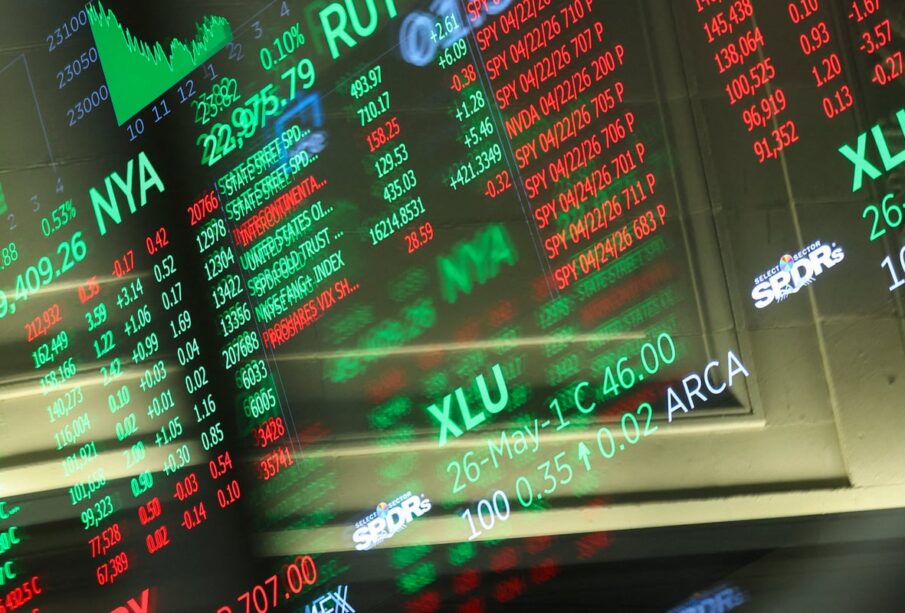
Stock markets rose on Wednesday while oil prices fell after reports pointed to a possible agreement to end the Iran war. Markets across Europe and Asia reacted quickly to fresh hopes of peace. At the same time, investors continued to watch comments from Washington and Tehran closely.
Oil prices and stock markets moved in opposite directions after reports claimed that the United States and Iran were close to reaching a deal. The agreement could end the conflict and restart nuclear talks. Brent crude futures dropped to about $97 (£73) per barrel before recovering slightly later in the day. Earlier, oil traded above $108 per barrel.
Hopes of Diplomatic Breakthrough Lift Investor Sentiment
The positive mood in financial markets followed a report from Axios. The report stated that US officials believed both sides were close to completing a one-page agreement. According to reports, the document would end the war and begin a 30-day negotiation process. In addition, the talks would focus on reopening the Strait of Hormuz, reducing Iran’s nuclear activities, and easing sanctions.
As a result, European markets recorded strong growth. The FTSE 100 and Germany’s Dax climbed by more than 2% during mid session trading. Likewise, France’s Cac 40 rose by about 3%.
Asian markets also finished higher. Japan’s Nikkei increased by 0.38%, while Hong Kong’s Hang Seng added 1.22%. In South Korea, the Kospi jumped sharply by 6.45%.
However, analysts warned that some markets still remain below levels recorded before the conflict started. Even so, the S&P 500 stayed above its position from the end of February. This showed that recovery has not followed the same path across all markets.
Meanwhile, oil prices still remain much higher than levels seen before the war. Before the conflict began, crude traded close to $70 per barrel. However, the fighting between the US Israel alliance and Iran disrupted supply routes and slowed production in key energy regions.
In particular, the Strait of Hormuz remains one of the biggest concerns for investors and energy traders. Nearly one fifth of the world’s oil and gas shipments pass through the waterway. For weeks, attacks and threats interrupted movement through the route. Consequently, gas prices increased across several markets.
US President Donald Trump also played a major role in recent events. Earlier, he approved a naval escort operation for ships moving through the strait. The operation carried the name “Project Freedom.” Later, however, Trump paused the operation to give negotiations more time.
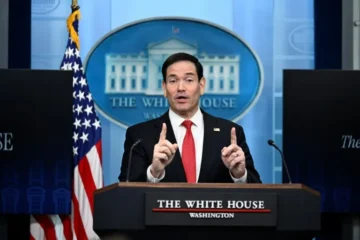
Furthermore, US Secretary of State Marco Rubio said the first military stage had achieved its targets. He also stated that Washington preferred diplomacy over further fighting. “We would prefer the path of peace,” Rubio said. He added that the United States remained open to an agreement.
On the other hand, Iranian officials responded carefully to the reports. Parliamentary speaker Mohammad Ghalibaf said tensions were still high. He also warned that events could change quickly if negotiations collapse. His comments suggested that Tehran remains ready for more action if discussions fail.
Now, oil traders and investors are watching the next 48 hours closely. Iran is expected to reply to key US proposals soon. If both sides confirm progress, markets could become more stable in the coming days. Still, uncertainty continues to affect investor confidence across several regions.
For now, hopes of a possible agreement have given temporary relief to oil markets and stock markets. Nevertheless, the conflict has not ended, and investors continue to monitor every new development carefully.


Leave a reply


 #mirandapriestly #thedevilwearsprada2 #merylstreep #annehathaway #emilyblunt00:19
 #OzzyOsbourne and #SharonOsbourne on The Ellen DeGeneres Show #theprimemag01:00
 Remember when #LeBron James faked out the entire team like they were standing still #lebronjames00:10
 That didn’t take long #nba #nbabasketball #basketball #shaq #theprimemag00:30
 It seems that Mr. Bridgerton is not the only one swept up in a romance#bridgerton #bridgertonseason400:23
 Mr and Mrs Bridgerton #bridgerton #penelope #theprimemag00:07
 That classic sibling energy where "I’m sorry" actually means "I’m going to do it again #zendaya00:19
 The groom is here #robertpattinson #thedrama #edwardcullen #moviepremiere #funnymoment00:36
 #rihanna and #asaprocky looking great in #paris #theprimemag00:20
 #ElizabethOlsen and #AnthonyMackie on the red carpet00:09
 #SelenaGomez stepped out for the Rare Beauty Matte Foundation launch on Thursday00:17
 #cardib performance yesterday in #vegas #Valentines2026 #lustremagazine00:11
 #CardiB #WholesomeChaos #ProtectTheCrow #FunnyMoment #CelebrityMoments00:07
 They never told you about this Golden Globes gaffe with #JenniferLopez and #JeremyRenner00:11
 #bridgerton #netflix #trending #viral #misspossy #bridgertonseason401:17
 He definitely got it🤩🔥#onechallenge #thewoahchallenge #tiktok #dancetrends #hiphop #dancers00:18
 Oh No! 😂 #funny #relatable #trending #memes00:08
 #LeBron has made a major impact off the court his commitment to education and his community01:01
 😂😂 #memes #baby #fun #funny #trending00:08
 The only time #Shaq really went one-on-one with #LeBron #shaquilleoneal #lebronjames00:29
 Shaq did this on live tv… 😂 #shaq #insidethenba #charlesbarkley #shaquilleoneal #nba00:17
 You just know Kendrick’s heart dropped before he laughed 😭 #shaq #ShaquilleO’Neal00:10
 #nickiminaj or #cardib . That’s a tough one for #50cent 😂00:13
 #sofiavergara in #ModernFamily: #Sofía #Sitcom #FamilyComedy #funny #TVSeries01:00
 #SofíaVergara when asked about arrest on #TheEllenDeGeneresShow 😂00:20


Welcome to The Prime.ng, a modern Nigerian entertainment and lifestyle publication spotlighting culture, creativity, experiences, and the conversations shaping today’s generation.


