



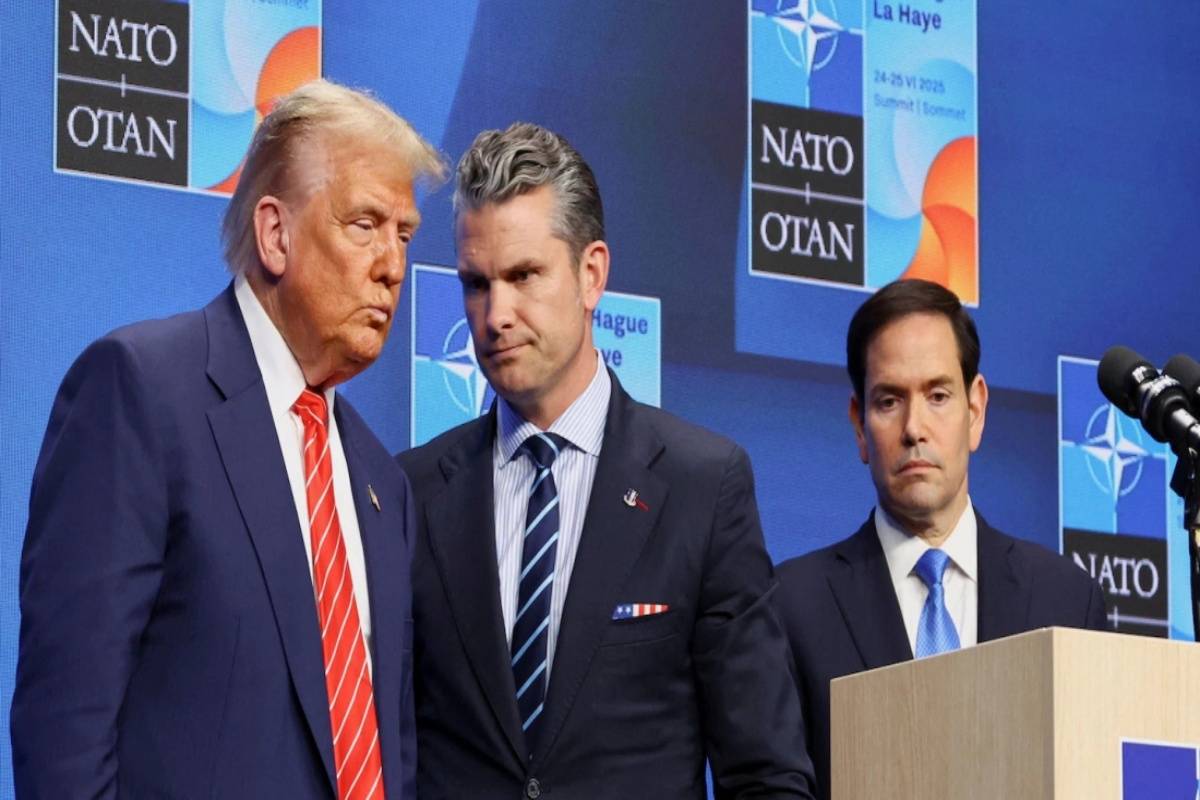
Pete Hegseth said the countdown tied to the Iran war has effectively paused as questions rise over whether the Trump administration needs Congress’s approval to continue military actions.
He made this statement hours before a key sixty-day deadline under the US armed conflict law approaches. He addressed lawmakers and defended the administration’s position on the timeline.
The deadline stems from the War Powers Resolution, which requires a president to end military engagement within sixty days unless Congress approves an extension. The timeline started after former President Donald Trump notified lawmakers about strikes against Iran earlier this year.
Speaking during a Senate hearing, Hegseth said the current ceasefire between the US and Iran changes the legal situation. He explained that the pause in fighting means the clock tied to the Iran war no longer applies in the same way.
He said, “We are in a ceasefire right now, which, under our understanding, means the sixty-day clock pauses,” while addressing lawmakers.
Legal Debate Over Ceasefire
His interpretation faced quick challenge from Senator Tim Kaine who disagreed with the claim. Kaine argued that the law does not allow any pause. He warned that the administration could soon face serious legal questions if the deadline passes without congressional approval.
The debate centres on whether a ceasefire counts as an end to hostilities. A senior administration official said military actions linked to the Iran war had already stopped. The official noted there has been no exchange of fire since early April. Officials also pointed to an extended ceasefire agreement as evidence that active conflict has ended.
Some legal experts disagree with that view. Professor Heather Brandon Smith said US actions such as a blockade of Iranian ports still count as acts of war. She explained that reduced fighting does not remove those actions from the legal definition of hostilities under US law.
Professor Heather also said a ceasefire does not end a conflict permanently. She argued that only a full resolution or congressional action can settle the issue. She stressed that the legal timeline should continue unless Congress acts.
Tensions Continue Despite Ceasefire
Although direct clashes have eased, tensions remain high. Iran has reportedly sent a proposal for renewed talks through intermediaries in Pakistan. However, details remain unclear.
Meanwhile oil prices fluctuated after disruptions to the Strait of Hormuz shipping route. The conflict began after US and Israel strikes targeted Iran. That action raised fears of wider war. Iran responded with attacks on allied targets in the region. Both sides later stepped back from direct confrontation. Still, no long term agreement exists.
Inside Washington, discussions continue. Reports show administration officials are in talks with Congress to secure formal approval if needed. Democratic lawmakers have tried to limit presidential authority in the conflict. Those efforts have failed so far. Some Republicans also say they may reconsider their stance if the situation continues.
Lawmakers now face a tight decision window on authorising continued military engagement under the War Powers Resolution. The administration argues that the ceasefire reduces legal obligations but several senators insist Congress must vote before the deadline expires.
Legal experts also expect court challenges if officials extend operations without approval. Diplomatic channels remain open as mediators attempt to restart structured talks between both sides.
Analysts warn that uncertainty around legal authority may affect future military decisions in Washington. The outcome now depends on how quickly leaders clarify the status of hostilities and whether Congress steps in before time runs out.
The outcome of this dispute will guide how the United States defines limits of presidential war authority in future conflicts. Officials expect more hearings as Congress reviews legal arguments from both sides.
The administration continues to coordinate with lawmakers while monitoring ceasefire conditions closely. Any decision on continuation or termination of actions will depend on legal interpretation and political agreement in the coming period.
This debate remains central to ongoing US foreign policy discussions in Washington as officials weigh next steps carefully going forward now.
