



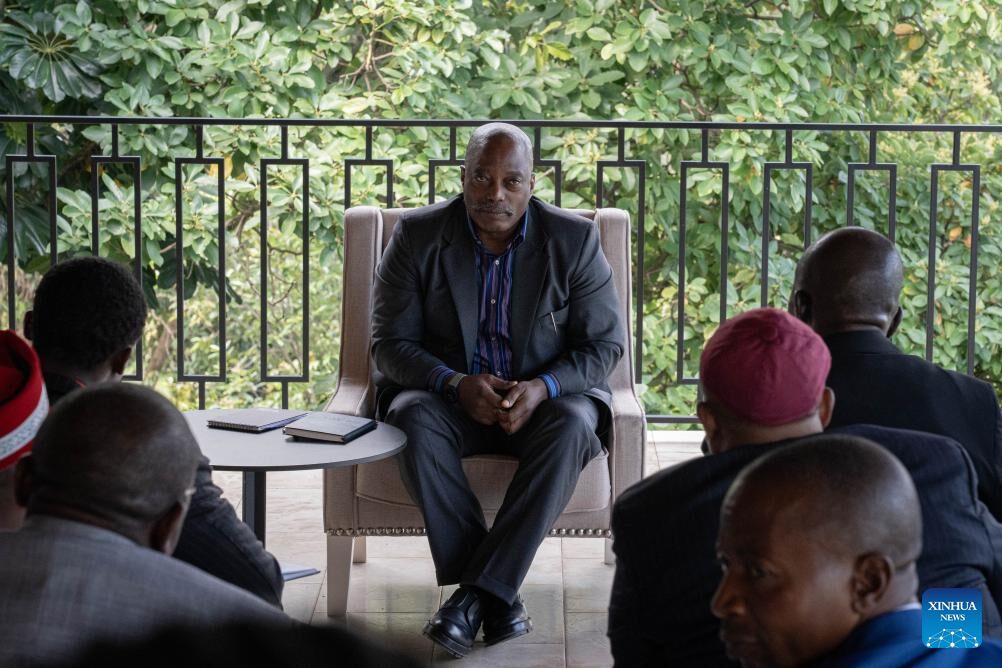
The United States has imposed sweeping sanctions on former president Joseph Kabila over allegations linked to the ongoing crisis in the Democratic Republic of Congo. The US Treasury announced the decision and said Kabila supported the M23 rebel group. I
t also accused him of trying to influence instability from outside the country. The move places new attention on the long conflict in eastern Congo and the role of political actors connected to it.
Kabila rejected the accusations. He ruled the country for eighteen years from 2001. Kabila called the sanctions unjust and politically driven. He also said the claims lack proof. Kabila’s response came as tensions remain high in eastern regions where armed groups continue to operate.
The new measures freeze all of Kabila’s assets in the United States. American citizens and companies cannot do business with him. Financial institutions must avoid indirect dealings with him. The US warned that violations will attract penalties.
Washington said the sanctions aim to limit Kabila’s influence in the region. Officials alleged that he provided financial support to the M23 group. They also said he encouraged defections within the national army. In addition, they accused him of coordinating attacks from abroad. The US said these actions threaten stability and weaken peace efforts.
The sanctions also form part of a wider strategy linked to a peace agreement involving Rwanda. The US has accused Rwanda of supporting M23 in earlier statements. Rwanda denies this claim. It says its military actions are defensive. It also says it protects itself from armed groups near its borders.
Read More: Democratic Republic of Congo to Receive Migrants Under New US Agreement
The government of the Democratic Republic of Congo welcomed the US decision. Officials in Kinshasa said it supports accountability. They also said it respects national sovereignty. They believe the move will help address impunity and restore order in conflict areas.
Kabila’s representatives strongly opposed the sanctions. His office said the measures reflect the view of the current government. They added that the decision may silence opposition voices. They warned that such actions could appear political rather than focused on peace.
Eastern Congo remains unstable. Many armed groups operate in the region. In early 2025, M23 fighters advanced and captured key cities. The area holds minerals like cobalt, copper and coltan. These resources support many industries worldwide.
The United States linked the sanctions to wider economic goals. It wants better transparency in mineral supply chains. Last year, Washington and Kinshasa signed a partnership agreement. It aims to improve access to resources and support stability.
Kabila’s location remains unclear. He left for South Africa in 2023. He has stayed mostly out of public view. Reports said he was seen in Goma. The city once fell under M23 control.
In September, a military court in Congo sentenced Kabila to death in absentia. The charges included war crimes and treason. He denied the charges. He also rejected the court process.
The latest sanctions show a firm stance by the United States. It seeks to influence events in Congo. It also aims to encourage changes in security and political conditions.
Regional observers say the sanctions may influence political debate in Congo. They expect more talks between leaders and international partners. They also note that armed group activity still threatens civilians in rural areas.
Humanitarian groups call for better protection of communities and faster support for displaced people. The situation requires steady engagement from regional actors and partners over time while supporting long term stability efforts
