




Africa is home to one of the richest food cultures in the world. Across the continent, meals are deeply connected to history, identity, climate, migration, trade, and community life. Many African Traditional Foods have existed for centuries, passed from one generation to another through storytelling, cooking methods, farming traditions, and family gatherings.
What makes African cuisine remarkable is its diversity. The foods eaten in West Africa differ greatly from those found in East Africa, North Africa, Central Africa, or Southern Africa. Ingredients change with geography.
Coastal regions often rely on seafood and coconut, while dry inland areas make use of grains, spices, and preserved foods. Yet despite these differences, many African dishes share something important: they are built around hospitality, flavor, and nourishment.
In recent years, African cuisine has gained more global attention. Restaurants serving African meals are opening in major cities worldwide, while social media and travel content have introduced more people to dishes they had never seen before.
Jollof rice debates, Ethiopian coffee culture, Moroccan tagines, and South African braai traditions now attract international curiosity. At the same time, many Africans are reclaiming pride in indigenous cooking methods and local ingredients that were once overlooked.
This article takes a closer look at some of Africa’s most famous traditional dishes, where they come from, why they matter, and what makes each one special.
Why Traditional African Foods Matter
Food in Africa is rarely just about eating. Meals often represent family ties, celebrations, spirituality, agriculture, and survival. Traditional dishes are connected to weddings, naming ceremonies, harvest festivals, funerals, and religious events.
Many recipes also tell stories about migration and trade. For example, spices found in East African cooking reflect centuries of interaction with Arab and Indian traders.
North African cuisine carries influences from Berber, Ottoman, Arab, and Mediterranean cultures. In West Africa, ingredients like cassava and tomatoes became important after global trade routes expanded centuries ago.
Traditional cooking methods also remain important today. Fermentation, smoking, grilling, slow cooking, and sun-drying are still widely used because they preserve flavor and improve shelf life naturally.
Another reason these meals matter is nutrition. Many African diets are naturally rich in grains, vegetables, legumes, and healthy spices. Long before modern wellness trends became popular, many African communities already relied on balanced meals built around locally grown ingredients.
West Africa’s Most Famous Traditional Foods
1. Jollof Rice — Nigeria, Ghana, Senegal, and Beyond
Few African dishes are as internationally recognized as Jollof rice. Although several countries claim ownership, historians generally trace the roots of the dish to the Wolof people of Senegal, where an early version known as thieboudienne influenced modern recipes.
Today, Nigeria and Ghana are especially known for their passionate rivalry over who makes the best Jollof rice.
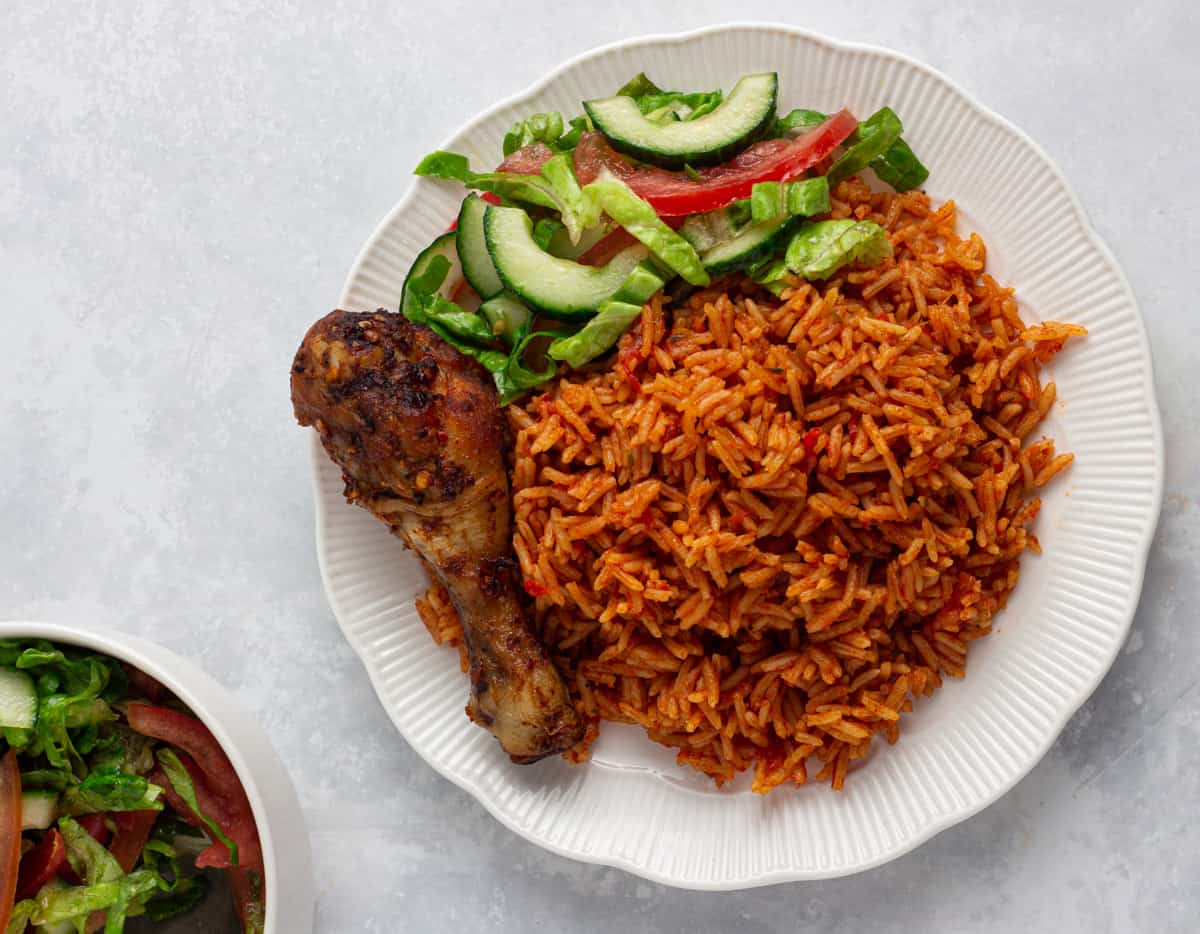
Jollof rice is made by cooking rice in a flavorful tomato-based sauce containing onions, peppers, spices, and stock. Depending on the country or household, cooks may add chicken, fish, beef, shrimp, or vegetables.
What separates great Jollof rice from average versions is the depth of flavor. The sauce is usually simmered slowly so the rice absorbs every layer of seasoning. Smoky “party Jollof,” often cooked over firewood, is particularly famous in Nigeria.
Jollof has become more than food. It is now part of African pop culture, appearing in music, movies, festivals, and online debates worldwide.
2. Fufu — Ghana and Nigeria
Fufu is one of the most important staple foods in West and Central Africa. It is commonly eaten in Ghana, Nigeria, Ivory Coast, Togo, Cameroon, and several other countries.
Traditionally, fufu is made by pounding boiled cassava, yam, or plantain into a smooth, stretchy dough-like consistency. Modern preparation methods may use processed flour for convenience.
Fufu itself has a mild taste. Its real purpose is to accompany soups such as egusi, light soup, okra soup, or groundnut soup. People usually eat it by pinching small portions with their fingers and dipping them into soup.
The dish reflects communal cooking traditions because preparing traditional fufu often requires teamwork and physical effort.
3. Egusi Soup — Nigeria
Egusi soup is one of Nigeria’s most celebrated dishes. It is prepared using ground melon seeds combined with leafy vegetables, palm oil, peppers, and proteins like fish, beef, or goat meat.
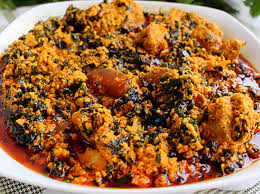
The melon seeds create a rich, nutty texture that makes the soup filling and flavorful. In many Nigerian homes, egusi soup is served with pounded yam, fufu, eba, or semovita.
What makes egusi important culturally is its versatility. Different ethnic groups prepare it differently. Some versions are thick and heavily spiced, while others contain more vegetables and lighter seasoning.
4. Thieboudienne — Senegal
Often considered Senegal’s national dish, thieboudienne combines rice, fish, tomato sauce, and vegetables into one deeply flavorful meal.
The dish reflects Senegal’s coastal geography and fishing culture. Fresh fish is typically stuffed with herbs and spices before being cooked alongside rice and vegetables like cassava, carrots, cabbage, and eggplant.
UNESCO added Senegalese thieboudienne traditions to its cultural heritage list, recognizing the dish as an important symbol of community and identity.
East Africa’s Most Famous Traditional Foods
1. Injera and Doro Wat — Ethiopia
Ethiopian cuisine is among the most distinctive in Africa, and injera sits at the center of it.
Injera is a sour fermented flatbread made primarily from teff, an ancient grain native to Ethiopia. The bread serves as both plate and utensil. Various stews and vegetables are placed directly on top, and diners tear pieces of injera to scoop the food.
One of the most famous dishes served with injera is doro wat, a spicy chicken stew prepared with berbere spice blend, onions, garlic, and boiled eggs.
Ethiopian meals are strongly tied to communal dining. Families and guests often eat from the same large tray, reinforcing social connection. Teff itself has gained international attention because it is naturally gluten-free and rich in nutrients such as iron and fiber.
2. Ugali — Kenya and Tanzania
Ugali is one of East Africa’s most common staple foods. It is made by cooking maize flour in water until it forms a thick, dense consistency similar to stiff porridge.
Though simple, ugali plays a major role in daily life across Kenya, Tanzania, Uganda, and neighboring countries. It is usually paired with vegetables, meat stew, fish, or sukuma wiki, a collard greens dish.
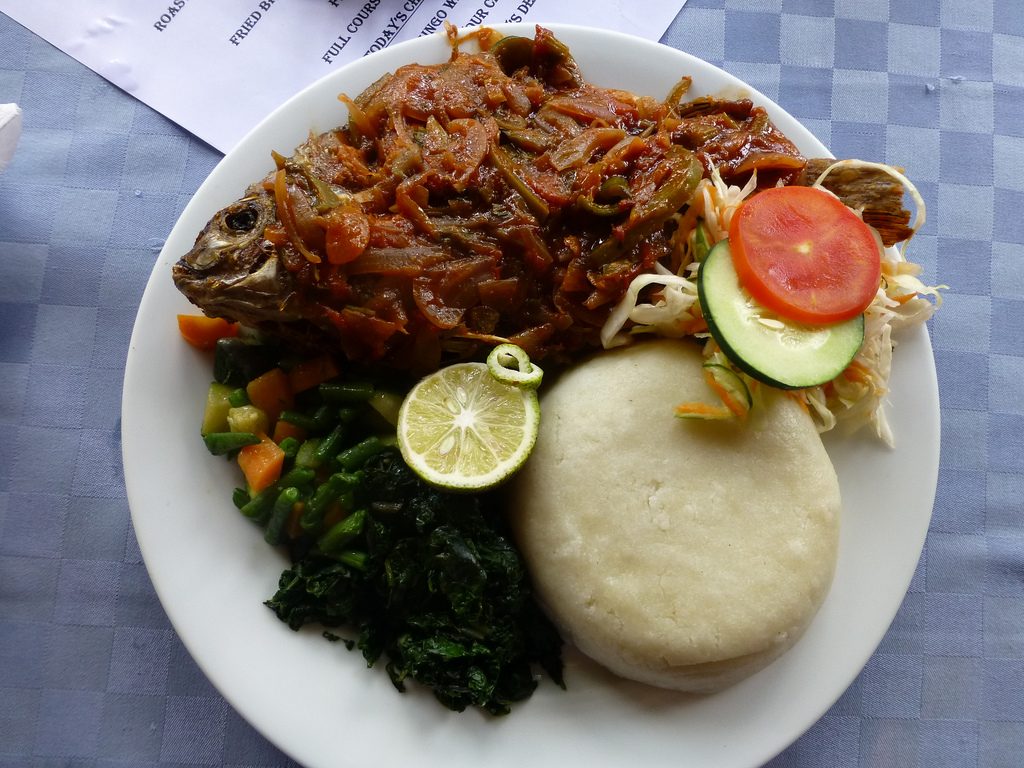
Ugali became widespread partly because maize farming expanded heavily during the colonial period and later became central to regional agriculture. Its affordability and filling nature continue to make it a household essential for millions of people.
3. Pilau — Kenya and Tanzania
East African pilau reflects centuries of interaction between African, Arab, and Indian cultures along the Swahili Coast. The dish consists of spiced rice cooked with meat, onions, garlic, and aromatic seasonings such as cloves, cardamom, cinnamon, and cumin.
Pilau is especially popular during weddings, Eid celebrations, and special family gatherings. Unlike plain rice dishes, its layered spice profile gives it a warm and fragrant taste that stands out immediately.
Read More: 6 Foods to Eat for Better Sleep
North Africa’s Most Famous Traditional Foods
1. Couscous — Morocco, Algeria, and Tunisia
Couscous is one of North Africa’s most iconic dishes and has been eaten for centuries by Berber communities.
Made from steamed semolina granules, couscous is typically served with vegetables, chickpeas, and meat such as lamb or chicken. Different countries prepare it differently. Moroccan versions may include sweeter flavor notes with raisins or caramelized onions, while Tunisian recipes often use spicier sauces.
In many households, couscous is associated with Friday family meals and important gatherings. Its global popularity has expanded far beyond Africa, appearing in restaurants and supermarkets worldwide.
2. Tagine — Morocco
Tagine refers both to a dish and the clay pot used to cook it. Moroccan tagines are slow-cooked stews that combine meat, vegetables, fruits, herbs, nuts, and spices. Common ingredients include lamb, chicken, olives, apricots, preserved lemons, almonds, saffron, and cinnamon.
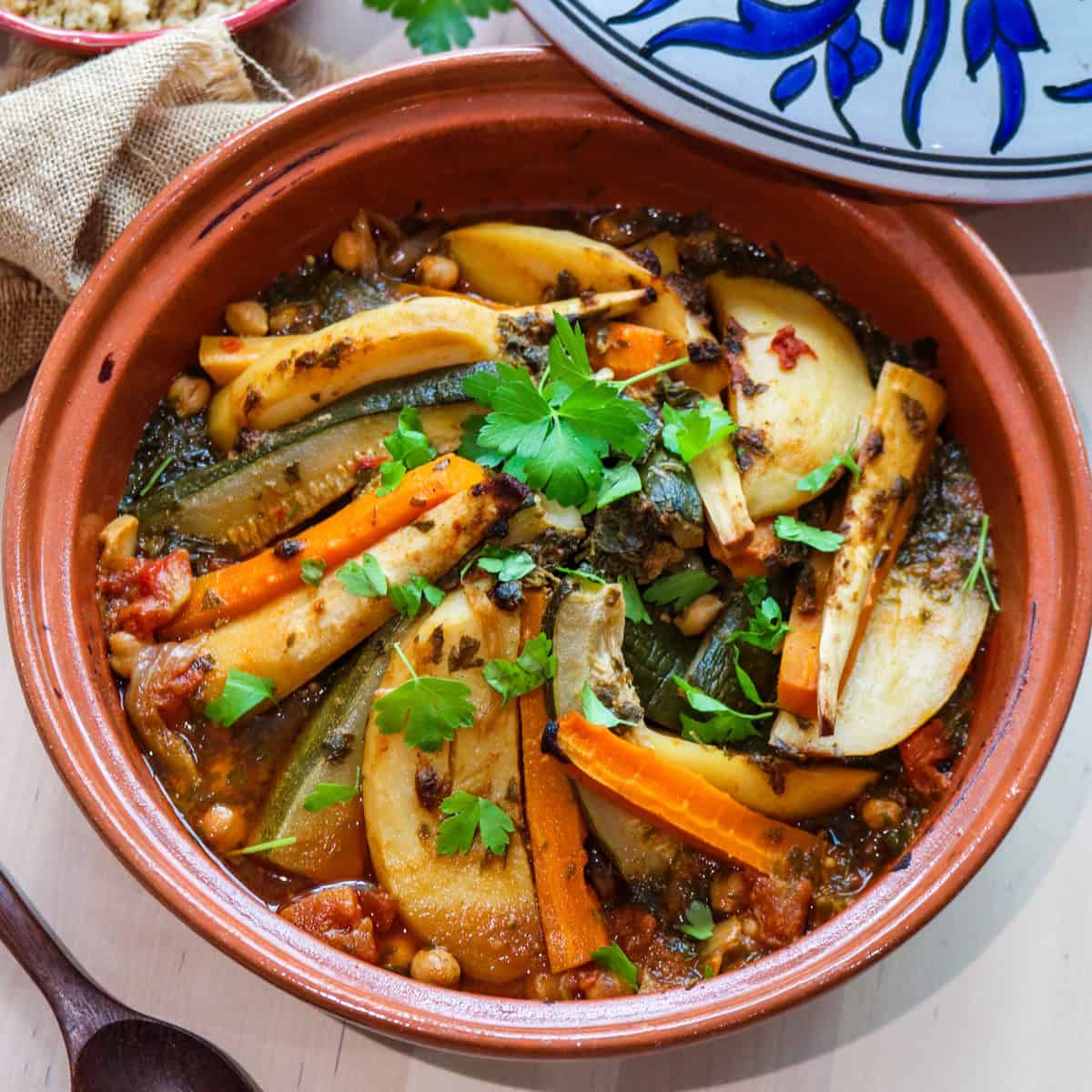
The cone-shaped tagine pot traps steam during cooking, allowing food to become tender while retaining moisture and flavor.
What makes Moroccan tagines memorable is the balance between savory and sweet elements. It is common to find meat paired with dried fruits and warming spices in the same dish.
3. Ful Medames — Egypt
Ful medames is one of Egypt’s oldest and most widely eaten dishes. Made primarily from slow-cooked fava beans, it is typically flavored with olive oil, garlic, cumin, parsley, and lemon juice.
The dish is affordable, nutritious, and deeply rooted in Egyptian daily life. Many Egyptians eat ful medames for breakfast alongside bread, eggs, or vegetables. Its history stretches back thousands of years, making it one of the continent’s oldest continuously consumed meals.
Southern Africa’s Most Famous Traditional Foods
1. Braai — South Africa
Braai is more than grilled meat. In South Africa, it represents social life, friendship, and celebration. The word “braai” simply means barbecue, but the tradition goes far beyond cooking outdoors. Families and friends gather around open flames to grill beef, chicken, lamb, sausages known as boerewors, and other meats.
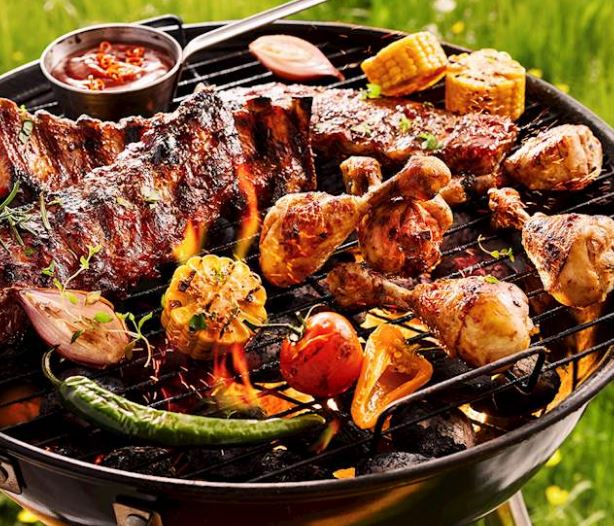
Side dishes often include pap, salads, grilled vegetables, or chakalaka, a spicy vegetable relish. South Africa even celebrates National Braai Day every year, highlighting how important the tradition has become in modern culture.
2. Pap — South Africa and Zimbabwe
Pap is a maize-based staple food similar to ugali. Depending on preparation style, it can be soft, crumbly, or stiff. It is commonly eaten with meat stew, tomato sauce, vegetables, or braai dishes.
Because maize became a dominant crop in Southern Africa over time, pap evolved into one of the region’s most affordable and dependable foods.
Central Africa’s Most Famous Traditional Foods
1. Moambe Chicken — Democratic Republic of Congo
Moambe chicken is often considered one of Central Africa’s signature dishes. The meal combines chicken with a rich sauce made from palm nuts or palm butter, tomatoes, garlic, spices, and vegetables.
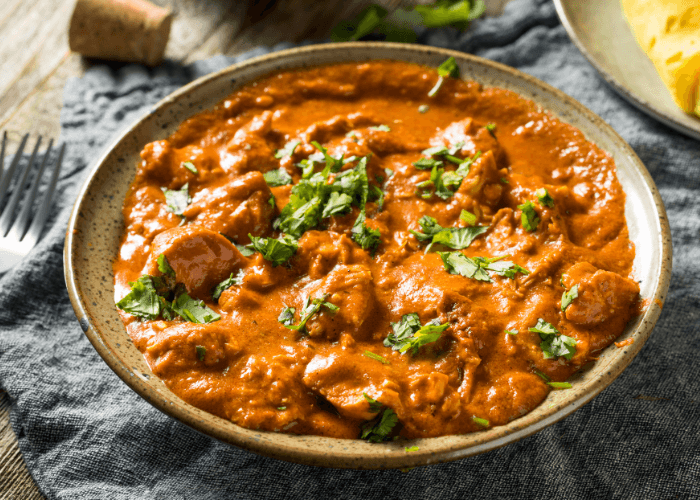
The sauce gives the dish a creamy texture and deep earthy flavor that reflects the tropical agricultural environment of the Congo Basin. Moambe chicken is frequently served with rice, plantains, or cassava.
2. Saka-Saka — Congo Region
Saka-saka, also called pondu in some areas, is made from cassava leaves cooked with palm oil, onions, peppers, and sometimes fish or peanuts.
Cassava leaves are widely consumed across Central Africa because the cassava plant thrives in tropical climates and provides both roots and edible greens. The dish highlights how African cooking traditions often maximize every useful part of a crop.
The Global Rise of African Cuisine
African cuisine is receiving more international recognition than ever before. Restaurants focused on African Traditional Foods are expanding in cities like London, New York, Paris, Toronto, and Dubai.
Social media has also changed how African dishes are viewed globally. Cooking creators now share recipes that once remained mostly local or regional. Diaspora communities have played a huge role in introducing African flavors to wider audiences.
Another important factor is growing interest in indigenous ingredients. Teff, fonio, sorghum, millet, baobab, hibiscus, and moringa are increasingly discussed in global nutrition and wellness spaces.
At the same time, African chefs are modernizing traditional recipes without losing their cultural roots. Some blend classic cooking methods with fine dining techniques, while others focus on preserving recipes that risk disappearing over time.
Why African Traditional Foods Continue to Thrive
One reason African food traditions remain strong is adaptability. Recipes evolve while still maintaining their cultural identity.
For example, younger generations may prepare faster modern versions of traditional meals, yet the essential flavors and techniques often remain intact. Migration has also spread recipes across continents, helping African cuisine grow internationally without losing authenticity.
There is also increasing pride in local food heritage. Many African chefs, historians, and food writers are documenting recipes that were traditionally passed down orally.
As tourism grows across parts of Africa, food has become an important cultural experience for travelers. Visitors often want to understand a country through its markets, cooking traditions, and family meals.
This renewed appreciation ensures that African Traditional Foods continue to influence global cuisine while staying meaningful at home.
Conclusion
Africa’s traditional foods are far more than recipes. They represent history, identity, resilience, trade, agriculture, migration, and community life across one of the world’s most culturally diverse continents.
From the smoky richness of Nigerian Jollof rice to the communal experience of Ethiopian injera, from Moroccan tagines to South African braai traditions, each dish carries a story shaped by generations of people and place.
What makes these meals unforgettable is not only their flavor but also the traditions surrounding them. Many African dishes are designed to bring people together, encourage sharing, and preserve cultural memory.
As global interest in African cuisine continues to rise, these foods are gaining the recognition they have long deserved. Yet their true importance remains rooted in everyday homes, local markets, street vendors, and family gatherings across the continent.
For anyone interested in culture, history, or unforgettable flavors, Africa’s traditional foods offer one of the richest culinary experiences anywhere in the world.
