




Walk into any beauty store or scroll through an online haircare shop, and you will quickly notice one thing: almost every product promises healthier, shinier, softer, or faster-growing hair.
From “deep moisture” to “repair therapy” and “natural nourishment,” hair products are marketed with powerful claims designed to grab attention. Yet many people still struggle with dryness, breakage, scalp irritation, thinning edges, or product buildup despite spending heavily on haircare.
One major reason is simple: most consumers buy products based on branding, fragrance, influencer recommendations, or packaging without fully understanding the hair cream labels attached to those products.
Those small ingredient lists and instructions often contain the information that determines whether a cream will help your hair thrive or quietly damage it over time.
Reading labels is not about becoming a cosmetic chemist overnight. It is about learning how to make smarter decisions for your scalp, hair texture, styling habits, and long-term hair health. Once you understand what goes into your hair cream and why those ingredients matter, shopping becomes easier, safer, and far more effective.
The Hidden Story Behind Hair Cream Labels
Hair cream labels do more than list ingredients. They tell the story of what a product is designed to do, how it works, and who it may work best for.
Most labels contain several key sections:
- Ingredient list
- Usage instructions
- Warnings
- Expiry or shelf-life information
- Claims such as “sulfate-free” or “paraben-free”
- Active ingredients
- Fragrance details
- Manufacturer information
While many people ignore these details, they can reveal whether a product contains heavy oils, drying alcohols, strong fragrances, allergens, or ingredients unsuitable for certain hair types.
For example, two creams may both advertise “moisture repair,” but one may rely heavily on silicones that coat the hair temporarily, while another may contain humectants and nourishing oils that genuinely improve hydration over time. Without reading the label, the difference is almost impossible to spot.
Read More: Best Oils for Hair Growth
Why Ingredients Matter More Than Marketing
Modern haircare marketing is extremely persuasive. Words like “organic,” “botanical,” “natural,” and “herbal” often create the impression that a product is automatically safe or effective. In reality, these terms are not always reliable indicators of quality.
A product can contain one botanical extract and still be filled with harsh ingredients. Another may not market itself as “natural” but contain highly effective moisturizing compounds backed by cosmetic science. This is why ingredient literacy matters.
Ingredients Are Listed by Concentration
In many countries, cosmetic ingredients are listed from highest concentration to lowest. That means the first few ingredients usually make up most of the product.
If water, mineral oil, and petroleum appear first, the cream is likely heavily oil-based and occlusive. If aloe vera, glycerin, or shea butter appear near the top, the formula may focus more on hydration and softness. Understanding this order helps consumers identify what they are truly paying for.
Common Ingredients Found in Hair Creams
Learning a few basic ingredient categories can dramatically improve buying decisions.
1. Moisturizing Ingredients
These ingredients help attract or retain water in the hair. Examples include:
- Glycerin
- Aloe vera
- Panthenol
- Honey
- Hyaluronic acid
These ingredients are especially useful for dry, brittle, or curly hair that needs hydration.
2. Natural Oils and Butters
These help seal moisture, soften hair, and reduce friction. Common examples include:
- Shea butter
- Coconut oil
- Argan oil
- Jojoba oil
- Avocado oil
- Castor oil
Different oils work differently depending on hair texture. Coconut oil, for example, penetrates hair strands effectively, while jojoba oil closely resembles natural scalp oil.
3. Proteins
Protein ingredients help strengthen damaged hair temporarily. Examples include:
- Hydrolyzed keratin
- Silk protein
- Wheat protein
- Rice protein
Protein can benefit weak or chemically treated hair, but excessive use may make some hair types feel stiff or dry.
4. Silicones
Silicones coat the hair to create smoothness and shine. Examples include:
- Dimethicone
- Cyclopentasiloxane
- Amodimethicone
These ingredients can reduce frizz and improve manageability, but heavy buildup may occur if hair is not cleansed properly.
5. Alcohols: The Good and the Bad
Not all alcohols are harmful. Fatty alcohols such as cetyl alcohol and stearyl alcohol actually soften and moisturize hair. However, drying alcohols like ethanol or isopropyl alcohol may contribute to dryness when heavily used.
Reading hair cream labels helps consumers distinguish between beneficial and potentially drying ingredients instead of avoiding all alcohols entirely.
Read More: Natural Hair Care Tips for Curly Hair (Step-by-Step Guide)
How Labels Help You Avoid Hair Damage
Many hair problems develop slowly. A product may seem fine initially but gradually contribute to breakage, irritation, or dryness after repeated use. Labels help consumers identify risk factors early.
1. Fragrance Sensitivity
Fragrance is one of the most common causes of cosmetic irritation. Some people experience itching, scalp inflammation, headaches, or redness from heavily scented products. Products labeled “fragrance-free” or those with milder scent profiles may be safer for sensitive users.
2. Allergic Reactions
Certain preservatives, essential oils, or dyes can trigger reactions in some individuals. Reading labels allows users to avoid ingredients they already know cause irritation.
3. Heavy Product Buildup
Some creams contain waxes, petrolatum, or thick silicones that accumulate on the hair over time. This buildup may leave hair feeling dull, greasy, or weighed down. Consumers who frequently experience limp hair may benefit from lighter formulas.
4. Scalp Health Concerns
Healthy hair starts with a healthy scalp. Ingredients that clog pores or create excessive buildup can interfere with scalp balance. People with dandruff, eczema, or scalp sensitivity often benefit from carefully checking labels before purchasing products.
Different Hair Types Need Different Ingredients
One reason haircare advice can feel confusing is because no single product works for everyone. Hair texture, density, climate, styling habits, and scalp condition all influence how products perform.
1. Curly and Coily Hair
Curly hair often loses moisture more quickly because natural oils struggle to travel down the hair shaft. Creams rich in shea butter, glycerin, and nourishing oils often work well for curls and coils.
2. Fine Hair
Fine hair usually benefits from lightweight formulas. Heavy creams can flatten volume and make hair greasy faster. Ingredients like lightweight oils or water-based moisturizers are often better choices.
3. Chemically Treated Hair
Color-treated or relaxed hair typically needs more strengthening and moisture support. Protein-containing creams may help reinforce weakened strands.
4. Oily Scalps
People with oily scalps may prefer lighter creams with fewer heavy occlusives to avoid excess greasiness. Understanding hair cream labels makes it easier to choose products suited to individual needs instead of blindly following trends.
The Rise of “Clean Beauty” and Ingredient Awareness
Over the past decade, consumers have become far more aware of cosmetic ingredients. This shift has transformed the global beauty industry.
According to market research from Grand View Research, the global clean beauty market has experienced strong growth as consumers increasingly seek transparency and safer ingredient profiles in personal care products.
Social media, dermatologists, cosmetic chemists, and online ingredient databases have all contributed to this change. Consumers now ask more questions about:
- Sulfates
- Parabens
- Mineral oil
- Artificial fragrances
- Formaldehyde-releasing preservatives
- Phthalates
However, ingredient awareness should be balanced with science and context.
Not every synthetic ingredient is dangerous, and not every natural ingredient is automatically safe. Poison ivy is natural, yet harmful. Meanwhile, many scientifically developed ingredients undergo extensive safety testing. Reading labels thoughtfully is more useful than reacting to fear-based marketing.
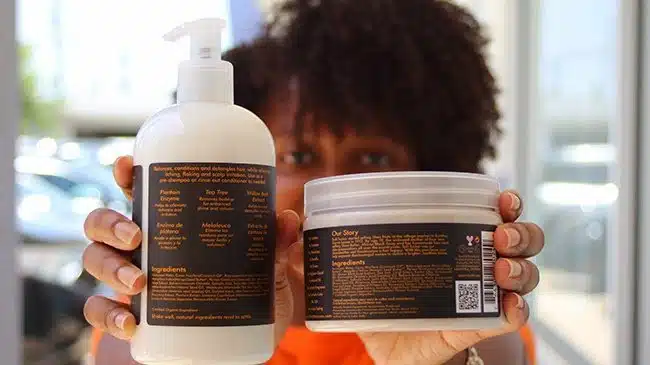
How Hair Cream Labels Support Better Spending Decisions
Haircare can become expensive very quickly. Many consumers constantly switch products hoping to solve persistent hair issues. Understanding labels helps reduce wasteful spending. Instead of buying products based on hype alone, shoppers can evaluate:
- Ingredient quality
- Suitability for their hair type
- Concentration of beneficial ingredients
- Presence of irritants
- Product purpose
Read More: Best Hair Straighteners for Every Hair Type
Social Media Trends Are Not Always Reliable
TikTok, Instagram, and YouTube heavily influence modern beauty buying habits. Viral hair products often sell out within days. But popularity does not guarantee compatibility.
A cream that works beautifully for one influencer may perform poorly for someone with different hair density, climate conditions, or scalp sensitivity. This is why consumers should treat social media recommendations as starting points rather than final authority.
Understanding hair cream labels creates independence. Instead of relying solely on trends, consumers can judge products based on evidence and personal suitability.
Building a Smarter Haircare Routine
Healthy hair rarely comes from one miracle product. It usually results from consistent habits, informed choices, and understanding what the hair actually needs.
Reading labels supports better routines by helping people:
- Identify ingredients that consistently work well
- Avoid recurring irritants
- Balance moisture and protein
- Prevent unnecessary buildup
- Choose products that suit climate and styling habits
- Reduce trial-and-error frustration
Over time, this awareness often leads to healthier hair and a more simplified routine.
Simple Tips for Reading Hair Cream Labels More Effectively
For beginners, ingredient lists may seem overwhelming. A few practical habits can make the process easier.
1. Focus on the First Five Ingredients
The first few ingredients usually make up the largest portion of the product. If water is listed first, followed by moisturizing ingredients like shea butter, aloe vera, or glycerin, the cream is likely designed to hydrate the hair.
On the other hand, if heavy silicones or mineral oil appear at the top, the product may feel thicker or create buildup with repeated use. Paying attention to these top ingredients gives you a quick idea of what the product mainly offers.
2. Learn Key Ingredient Categories
You do not need to memorize every ingredient name to understand a hair product. Start by learning the basic categories commonly found in hair creams.
Moisturizers help prevent dryness, proteins strengthen weak strands, oils add softness and shine, silicones smooth the hair surface, and preservatives keep the product stable and safe to use. Once you recognize these categories, labels become far less intimidating and easier to compare.
3. Patch Test New Products
Even products with excellent ingredients may not work well for everyone. Hair texture, scalp sensitivity, and personal allergies can all affect how a cream performs.
Before fully applying a new product, test a small amount on a section of hair or skin. This helps you avoid irritation, itchiness, or unexpected reactions that could damage your hair routine.
4. Keep Track of Hair Reactions
Your hair often tells you whether an ingredient works well or not. After using a product consistently for a few weeks, pay attention to changes in softness, dryness, shedding, scalp health, or curl definition.
Keeping simple notes can help you identify which ingredients your hair responds to positively and which ones may cause buildup or dryness over time.
5. Do Not Judge Products by Price Alone
Conclusion
Healthy hair is influenced by far more than styling techniques or trendy products. The ingredients inside hair creams play a major role in moisture retention, scalp comfort, breakage prevention, and overall hair condition.
Learning to read hair cream labels gives consumers something extremely valuable: control. It allows people to move beyond marketing promises and make informed choices based on their actual hair needs.
That knowledge can help prevent irritation, reduce product waste, improve hair routines, and support healthier hair over time. It also encourages smarter spending and greater confidence in navigating an industry filled with endless claims and fast-changing trends.
In a market crowded with flashy packaging and viral recommendations, the label remains one of the most honest parts of the product. Taking a few extra moments to read it carefully can make the difference between temporary results and truly healthy hair.
