




Chinese sportswear giant Anta is stepping into the spotlight as it takes on industry leaders Nike and Adidas. The company’s Anta global expansion shows years of steady growth. It has moved from a small manufacturing base in China to a brand now testing its strength in Western markets.
The story of Anta began in the late 1980s. Its founder, Ding Shizhong, arrived in Beijing as a teenager with hundreds of pairs of shoes to sell. At first, he simply traded footwear. Soon after, he started a small workshop that produced shoes for other companies.
From that modest start, Anta grew into one of China’s leading sportswear businesses. Today, it aims to stand beside the biggest names in the industry.
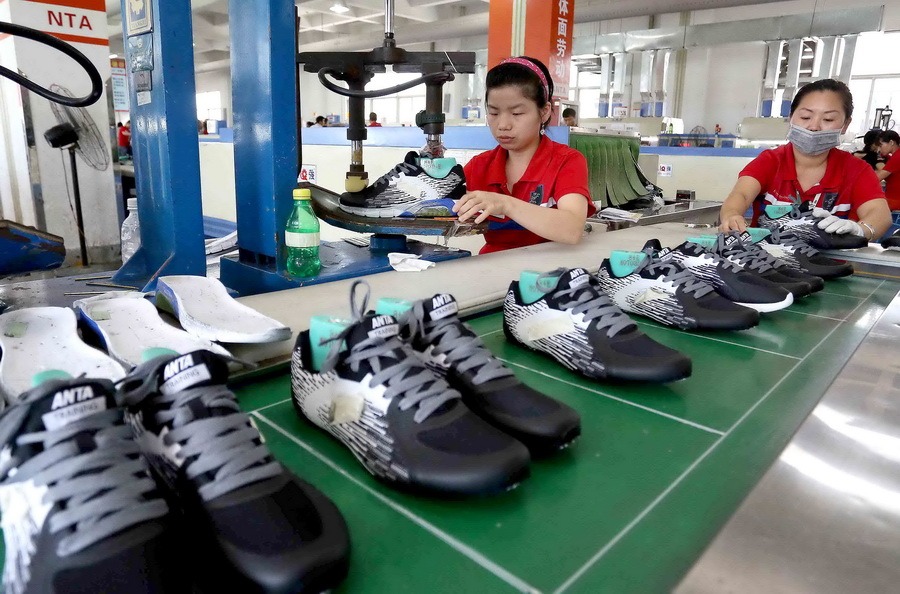
Anta was founded in 1991 in Jinjiang, a city in Fujian province. The company grew alongside a strong manufacturing network. The region became known for shoe production. Many factories focused on soles, fabrics, and other parts.
As a result, companies produced goods faster and at lower costs. This gave Anta a solid base for growth. Over time, the company moved beyond contract work. It built its own brand identity within China.
At home, Anta expanded through a wide retail network. It also partnered with major sporting events, especially in basketball and table tennis. By the mid 2000s, the company had set bigger goals. Instead of staying local, it aimed to build an international presence. That goal still guides its direction today.
Building a Global Brand
In recent years, Anta global expansion has become more visible. The company now runs more than 12,000 stores in China. It also operates hundreds of stores abroad. In February, it opened its first flagship store in the United States. The store sits in Beverly Hills, Los Angeles. This move shows its intent to compete in a highly competitive market.
In addition, Anta has used acquisitions to grow faster. In 2009, it secured rights to the Italian brand Fila in China. It later turned Fila into a major part of its business. Then, about ten years later, it took control of Amer Sports. This gave it access to premium brands like Arc’teryx and Salomon.
The company also manages Wilson, known for its basketballs used in top leagues. More recently, Anta bought a 29 percent stake in Puma. This move strengthened its connection to Western markets.
This multi brand strategy allows Anta to enter new regions more easily. Instead of relying only on its own name, it uses trusted brands. As a result, it builds consumer confidence. At the same time, it slowly introduces its own identity.
Furthermore, Anta has invested in athlete partnerships. It has signed players such as Klay Thompson and Kyrie Irving. It also works with Olympic skier Eileen Gu. She remains one of its most visible ambassadors. These partnerships help increase awareness. However, Anta still works to reach the same cultural influence as its rivals.
Meanwhile, companies like Nike and Adidas built their status over many years. They relied on major endorsements and strong ties to sports culture. Anta continues to grow in this area. Still, it has not yet secured a defining moment of equal scale.
At the same time, market conditions continue to change. Established brands face slower demand in some regions. Because of this, new opportunities appear for rising companies. Consumers now try different options more often. This gives Anta a chance to attract new buyers with fresh styles and pricing.
China’s manufacturing strength also supports this effort. The country has invested in automation and efficiency. As a result, companies like Anta can produce goods quickly and manage costs well. This advantage remains important in its expansion.
However, entering Western markets comes with challenges. Political tensions and different consumer tastes require careful decisions. Companies must balance operations across regions while keeping a clear brand image. Anta understands this and stays realistic about the competition.
The opening of its US flagship store marks a clear step forward. Yet, it also shows how much work remains. Rows of sneakers and basketball shoes represent more than products. They reflect the company’s aim to win new customers.
